Last updated November 21, 2026
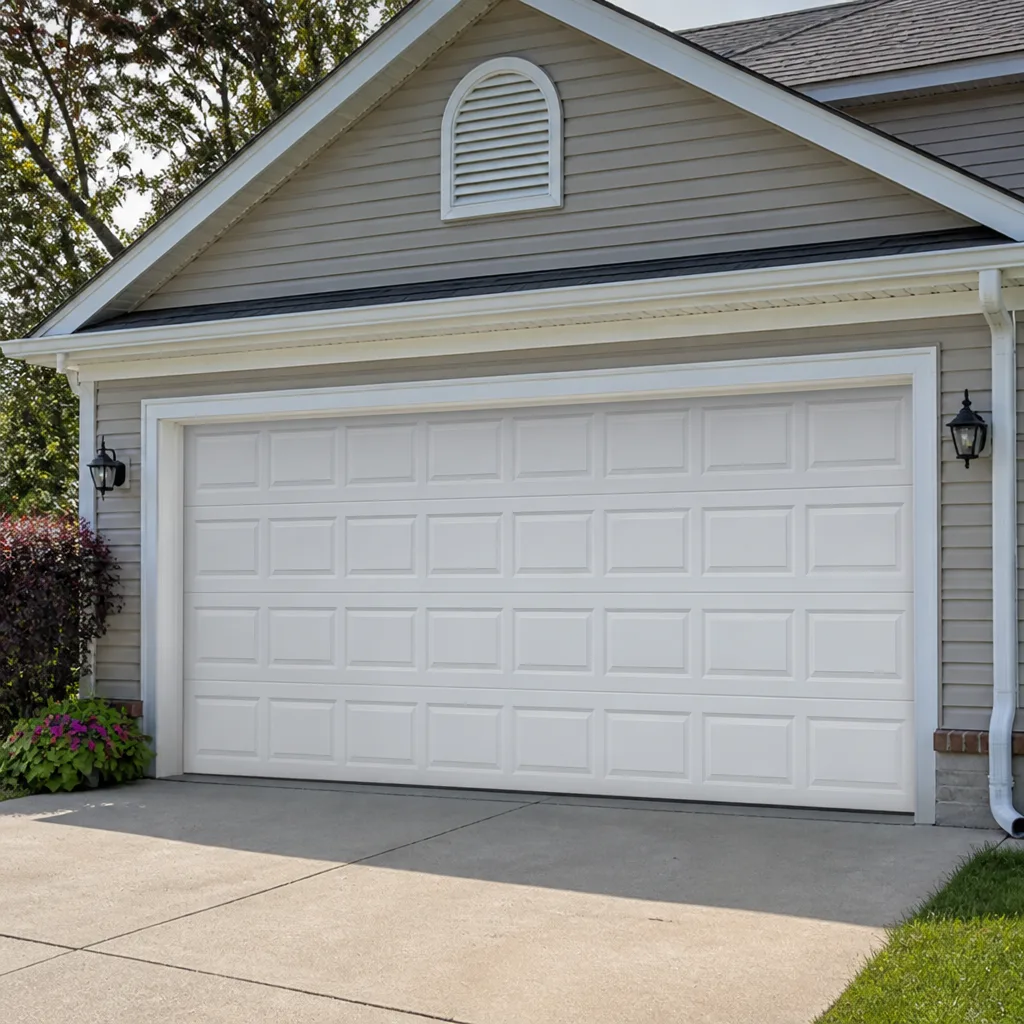 Raised-panel steel
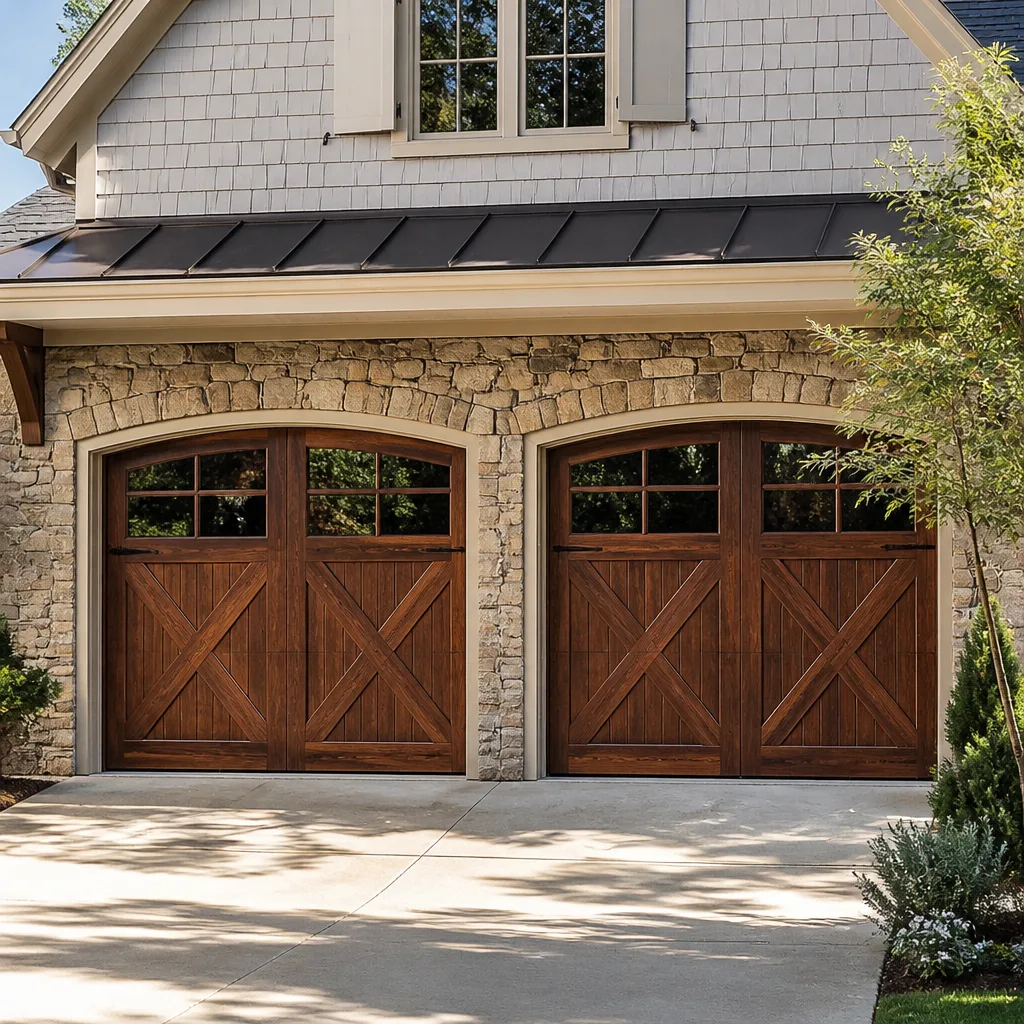 Carriage house
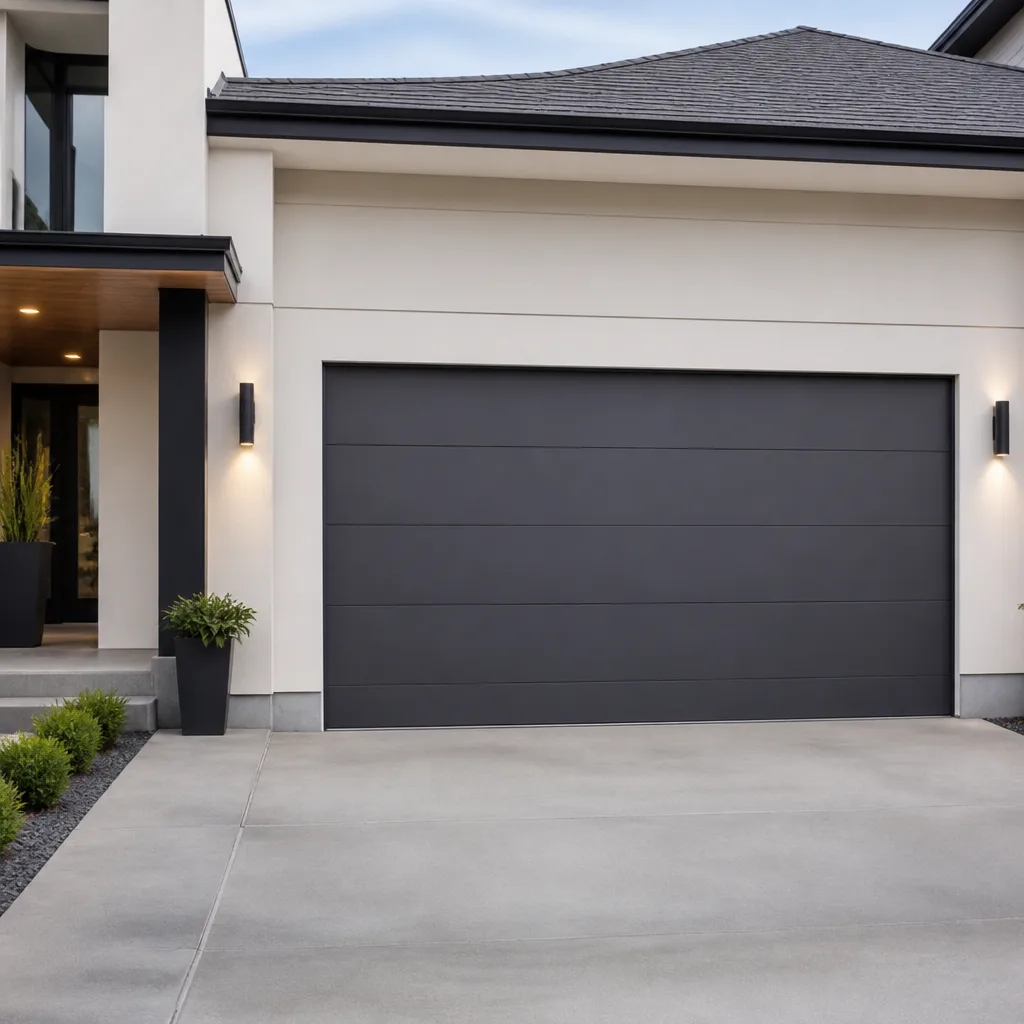 Modern flush
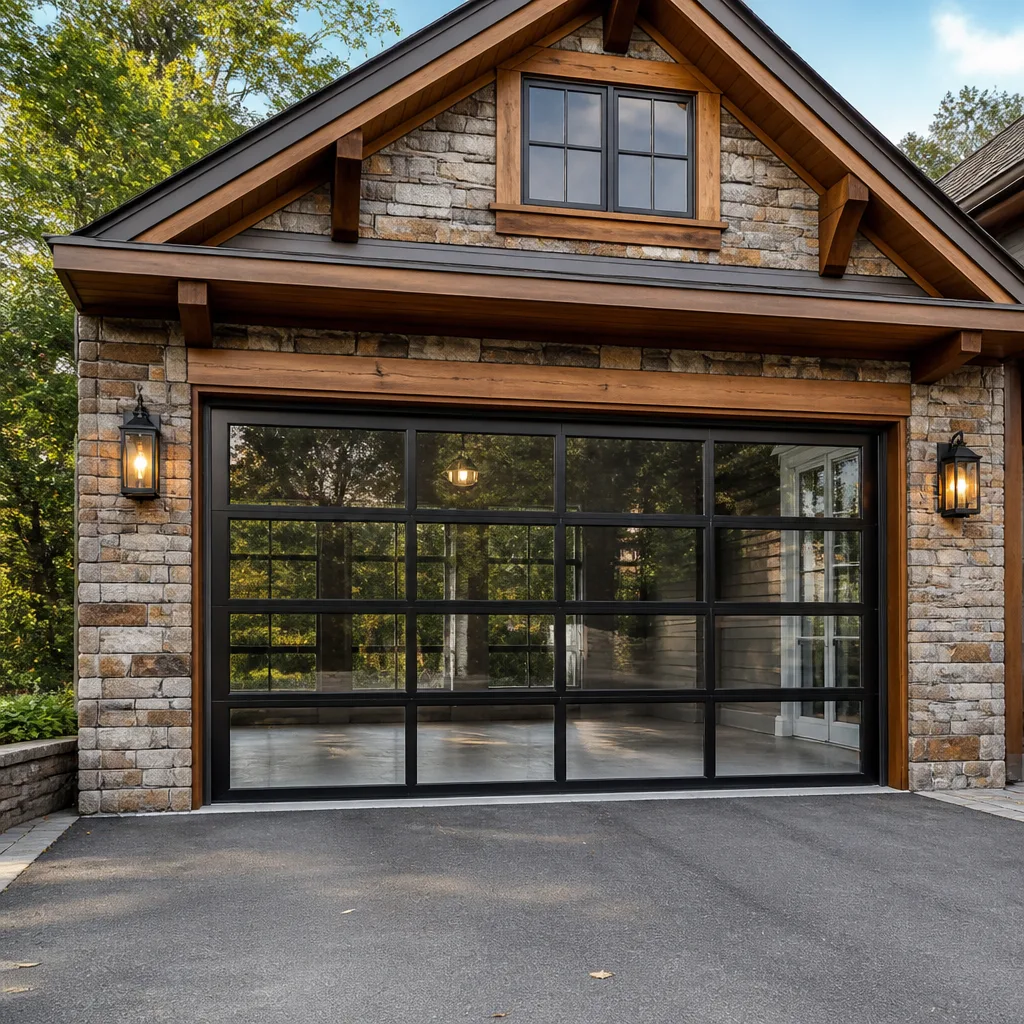 Full-view glass
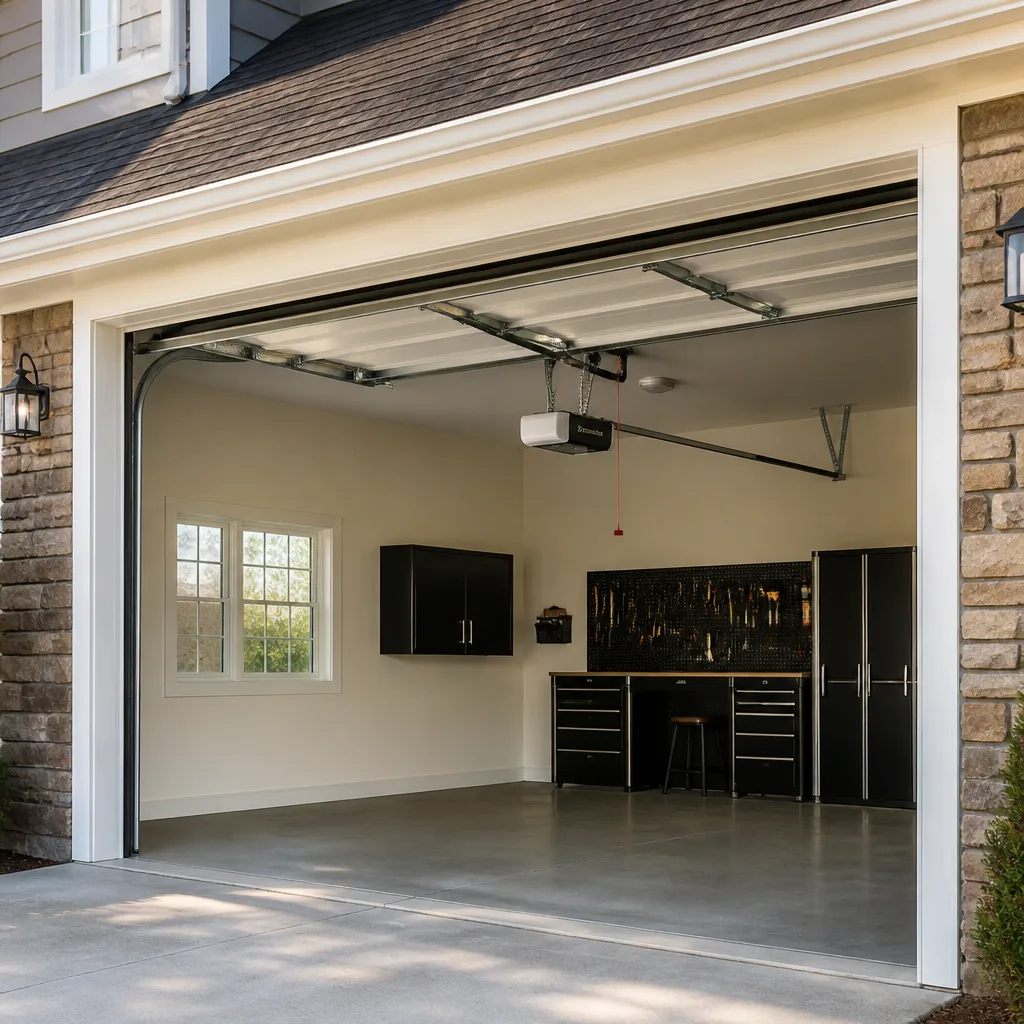 LiftMaster openers
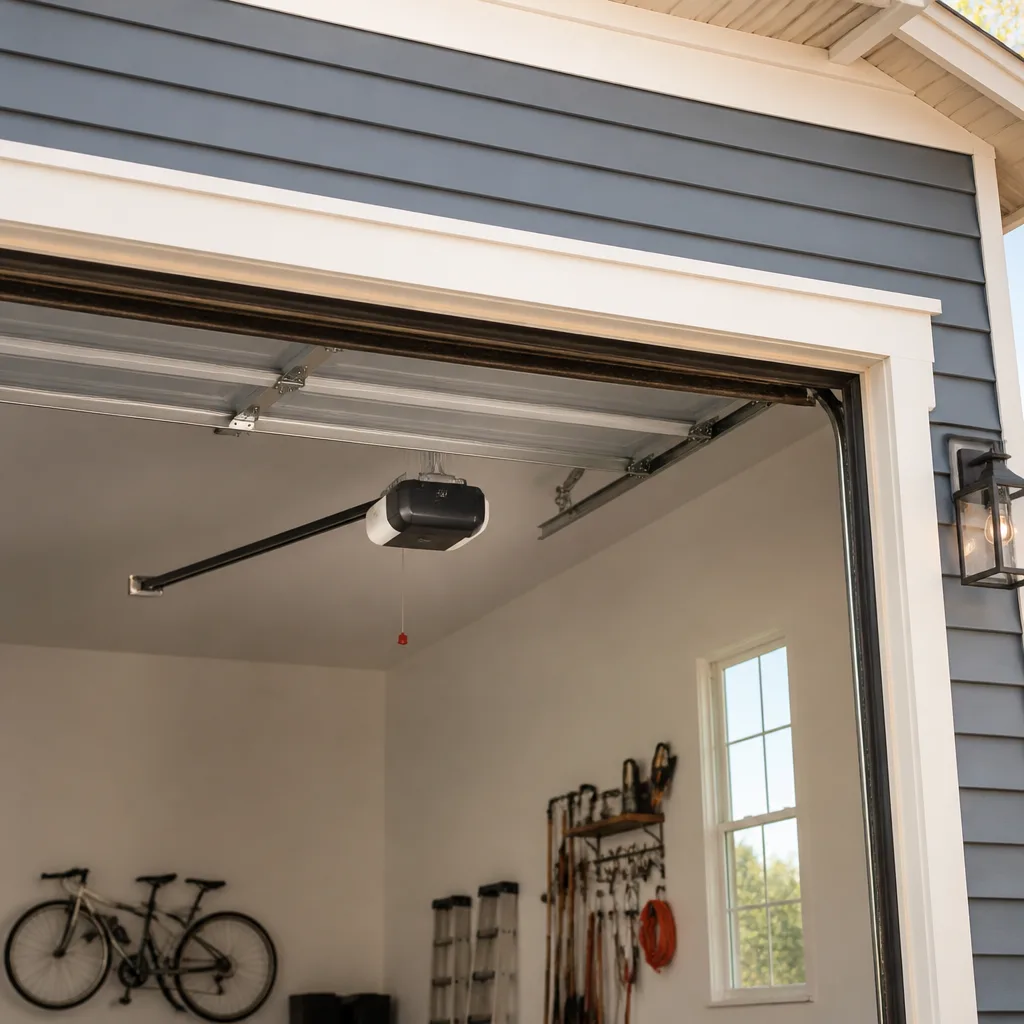 Chamberlain openers
Full 25-point door and opener safety check with every visit - springs, cables, rollers, tracks, and your LiftMaster or Chamberlain opener included
You get a price before we start. It does not change when the pro arrives.
Get your free estimateGarage Door Repair Troubleshooting in Springfield: Common Problems and How to Fix Them
Most homeowners assume a garage door problem means a broken spring or a dead opener. In our experience, that’s rarely how it starts. A door that reverses halfway down and a door that grinds like it’s chewing gravel often trace back to the same worn nylon roller, a part that costs less than a cup of coffee. Your door is a chain of 12 to 15 moving parts, and every link depends on the one beside it. When one weakens, the symptom shows up somewhere else entirely. This guide maps what you’re hearing and seeing to what’s actually failing underneath, so you can describe the problem accurately, know which checks are safe, and understand what a repair in Springfield really involves.
Quick Answer
Garage door troubleshooting starts with matching the symptom to its mechanical source: grinding points to rollers or bearings, reversal points to safety sensors or limit settings, and a door that won’t move at all usually means a spring, cable, or opener fault. Springfield’s cold winters make several of these failures seasonal, with stiff lubricant and contracted metal mimicking electrical problems. Any issue involving torsion springs, cables, or the door’s balance is a stop-and-call situation, not a DIY project.
Styles & brands we work with
- Raised-panel steel
- Carriage house
- Modern flush
- Full-view glass
- LiftMaster openers
- Chamberlain openers
Table of Contents
- The Six Categories Every Garage Door Problem Falls Into
- Symptom-to-Cause Map: Reading Your Door Like a Diagnostic
- What You Can Safely Check Yourself vs. What Requires a Technician
- How Springfield Winters Cause Seasonal Failures That Look Electrical
- Limit Switch vs. Safety Sensor: Two Problems That Look Identical
- One-Side Sag, Slow Travel, and the Balance Test
- The Pre-Call Checklist: Describe the Problem Accurately
- When a Repair Makes Sense and When It Doesn’t
The Six Categories Every Garage Door Problem Falls Into
Every garage door failure we diagnose in Springfield lands in one of six buckets. Sort your symptom into the right bucket and the guesswork mostly disappears. It’s a framework, not a crystal ball, but it narrows the field fast.
- Balance and tension faults. Springs, cables, and drums. These control the door’s weight. When they fail, the door becomes dangerously heavy or slams down. This category is never a DIY fix.
- Roller and track wear. Nylon rollers flat-spot, steel rollers rust, and tracks bend out of alignment. This is the most common source of noise and jerky travel.
- Opener and drive-train faults. The motor, gears, logic board, chain, or belt. Symptoms here are usually electrical: the door won’t respond, moves in fits, or the opener hums without moving anything.
- Safety and sensor faults. The photo-eye sensors near the floor and the force settings that tell the opener to reverse.
- Limit and travel settings. The opener’s programmed stop points drift or lose their setting, and the door stops short or over-travels.
- Structural and panel issues. Bent panels, loose hinges, worn bottom seals, and weatherstripping that lets cold air and moisture in.
Here’s why the framework matters: two problems in different categories can produce the identical symptom. A door that reverses has a sensor or force-setting cause in category four and five, but a binding track in category two can trigger the same reversal by fooling the opener into thinking it hit an obstacle. Sorting by category tells you where to look first. If you’d rather skip the sorting, our team handles garage door repair across every one of these categories.
Symptom-to-Cause Map: Reading Your Door Like a Diagnostic
Treat every sound and behavior as data. Here’s how the most common symptoms in Springfield map to causes, and which ones usually belong in a technician’s hands.
- Grinding or scraping. Flat-spotted nylon rollers, dry hinges, or a track the door is rubbing against. Before you blame the motor, look at the rollers and the track’s vertical alignment. Grinding that gets worse in winter often means lubricant has stiffened.
- Door reverses immediately after touching the floor. In most cases this is a safety sensor that’s slightly misaligned, dirty, or blocked by a leaf or cobweb. If the sensors look clean and aligned, the opener’s force or travel limits need checking.
- Door reverses halfway up or down. Force settings set too low, or a binding roller and track creating resistance the opener reads as an obstacle. This one is easy to misdiagnose, because the sensor lights can be perfectly green while the real trouble is mechanical.
- Door drifts down on one side. A stretched or broken cable on that side, or a worn roller pulling the door out of level. Never operate the door repeatedly when it’s visibly uneven; a cable can snap under tension.
- Slow, labored travel. A worn opener gear, a failing capacitor in older units, or a door that’s gone out of balance and is heavier than the opener is rated to lift.
- Opener hums but the door doesn’t move. A stripped drive gear or a broken chain or belt coupling. Common on older Genie and Craftsman units that have seen a lot of cycles. This is a diagnostic call for garage door opener repair rather than something to force.
- Remote works only up close. A weak battery, an aging logic board, or interference. Start with the battery, then have the opener checked if the problem persists.
Notice how many of these point away from “the opener is broken.” Roughly half the calls we take in Springfield end up being mechanical, not electrical. Matching the symptom to its source saves diagnostic time and often saves the homeowner from replacing a working opener.
What You Can Safely Check Yourself vs. What Requires a Technician
Some checks are safe for anyone with a flashlight. Others can cause serious injury if attempted by an untrained person. The line is clear: if a spring or cable is under tension, stop.
Safe to check yourself
- Look at the two safety sensors near the floor. Are the indicator lights on and steady? Wipe the lenses clean with a dry cloth.
- Check that nothing is blocking the sensor path: a leaf, a shovel, or a garbage can can trip a reversal.
- Test the wall button and one remote to confirm the opener responds to both.
- Look at the rollers and hinges with a flashlight. Look for flat spots, cracks, or obvious rust.
- Check the door’s balance with the door closed and the opener disconnected only if you’re comfortable doing so. We cover the balance test below.
- Confirm the opener’s manual release cord works smoothly.
Stop and call a technician
- Any broken torsion spring. You’ll often hear a loud bang from the garage and find a two-inch gap in the spring above the door. Do not open the door.
- Any frayed, kinked, or snapped cable. Cables are under extreme tension and can whip free.
- A door that’s visibly hanging on one side, or that comes down faster than you can stop it.
- Any work inside the opener’s electrical housing or on the panel’s wiring.
Garage door springs and cables store enormous energy. That’s why garage door spring repair is a standalone specialty for us rather than an add-on. When a spring fails, the safest move is to leave the door closed, keep vehicles out of the path, and call. Our technicians have up to 11 years of experience working these tension systems safely. If you’re unsure whether something belongs in the safe or stop column, that’s a free phone call, and we’d rather answer it than have you improvise.
How Springfield Winters Cause Seasonal Failures That Look Electrical
Every winter in Springfield, we take calls from homeowners convinced their opener has failed. Often it hasn’t. The cold does two things to a garage door that produce electrical-looking symptoms.
First, lubricant thickens. Grease in hinges and rollers that flows in October turns tacky by January. Resistance climbs, and the opener’s force sensor reads that resistance as an obstruction. The door reverses. Second, metal contracts. A track that sat straight in October can bow a fraction of an inch, and a door that rolled smoothly can bind just enough to stall the travel. Meanwhile the photo-eye sensors can frost or fog and trip a reversal that has nothing to do with the motor.
Springfield’s winter pattern has a few predictable marks:
- Failure calls spike after the first hard freeze, when stiff lubricant is at its worst and rollers bind.
- Before a storm, low-pressure changes can shift a door’s fit in older homes, especially in neighborhoods like Forest Park and the North End, where homes have seen many freezing cycles through their frames.
- Snow piled against the bottom seal or in the track path will trip the safety reversal every time, and it’s easy to miss when you’re testing from inside.
- Condensation on the sensors from a cold night can fog them by morning.
A door that reverses reliably only on cold mornings is usually telling you about lubricant and alignment, not about the opa-ener’s electronics. If your door demonstrably stalls in the cold and you’ve cleaned the sensors and cleared the tracks, it’s worth having a technician look at the balance first, before replacing anything. Lubricating rollers and hinges with a silicone-based spray (not heavy grease) helps, but stiff springs and misaligned tracks still need trained eyes.
Limit Switch vs. Safety Sensor: Two Problems That Look Identical
Both stop the door, so homeowners assume they’re the same thing. They aren’t, and the fix is completely different. This is one of the most common diagnostic errors we see.
The safety sensors are the two small units near the floor of the door, one on each side, shooting an invisible beam across the opening. If anything interrupts that beam, or the sensors lose alignment, the door reverses. The tell: the sensor indicator lights tell you a lot. On most openers, a steady green means the beam is clear; a flickering or off light means trouble.
The travel limits are settings inside the opener’s brain that tell it where “fully open” and “fully closed” are. When they drift, the door stops short of the floor or over-travels. The tell: the sensors are perfectly clean and aligned, the lights are steady, and yet the door stops about a foot short. That’s a limit setting, not a sensor.
For a quick baseline, test the sensors specifically:
- With the door open, wave an object slowly across the path of the sensor beam near the floor. If the openers’ light doesn’t react, the sensors may be dead or misaligned.
- Wipe both lenses. Frost, dust, and condensation are frequent culprits in Springfield’s cold months.
- Check that neither sensor bracket has been nudged. A bump from a bike or a snow shovel can knock them out of line.
- If the sensors pass but the door still stops short of the floor, the problem is a limit setting, and it usually needs a technician to reset correctly.
If you’ve cleared the sensors and the travel is still off, our opener diagnostics cover the full range of LiftMaster, Chamberlain, Genie, and Craftsman systems, so you’re not guessing at a setting you can’t see. A one-size fix doesn’t exist here; the light pattern and behavior tell us which part of the opener to inspect.
One-Side Sag, Slow Travel, and the Balance Test
A door that sags on one side or labors through its travel is usually out of balance, and out-of-balance doors wear everything else out faster. You can check the balance safely, but do the check with the door closed and the opener disconnected.
- Close the door fully, then pull the manual release cord to disconnect the opener.
- Lift the door by hand about halfway up.
- Let go. A well-balanced door stays put, or drifts slowly and evenly.
- If it drops fast, or falls to one side, the door is out of balance and shouldn’t be operated with the opener. Reconnect the opener only after you’ve had it looked at.
Balance problems usually come from the springs, the cables, or the drums, and those are tension components, so this is a stopping point for DIY. A slow-traveling door can also be a worn opener gear or a door that’s gone heavy, which is why we test balance before we recommend anything. What you don’t want to do is crank up the opener’s force setting to compensate; that just forces a struggling door harder and wears out the springs and the opener together.
On uneven driveways and sloped concrete around older Springfield homes, a track that’s slightly out of level can mimic a balance issue. If it looks like a sag but the door is balanced, the track alignment is the next thing to check. The point of the balance test is to separate “the door is heavy” from “the door is out of track,” because the repair path is different and the cost usually is too.
The Pre-Call Checklist: Describe the Problem Accurately
The faster you can describe the symptom, the more accurate the repair estimate. Run through this list before you call, and you’ll sound like a diagnostician, not a guesser, which shortens the conversation you have with the technician.
- What’s the symptom? Grinding, reversing, slow travel, a door that won’t move, a door that won’t close, or a remote that doesn’t work. Write it down in the order it happens.
- When does it happen? Every time, only on cold mornings, only after a power blip, or only when using the remote instead of the wall button.
- What’s the door’s brand and the opener’s brand? If you can find the label on the opener or the door’s edge, note the model. We work on Genie, Clopay, Amarr, Wayne Dalton, and the rest of the eight major brands, so knowing the brand helps the technician arrive prepared.
- What have you already checked? If you cleared the sensor path or noted the sensor lights, say so.
- Is the door safe to operate? If it’s hanging, slamming, or one spring is visibly broken, tell the technician up front. That changes the urgency.
- Is the door open or closed, and is anything under it? This matters for safety and access.
That’s the difference between a fast, accurate estimate and a visit that starts from zero. If your door is stuck and you need someone sooner than a normal appointment, we offer a dedicated emergency garage door service for exactly this kind of situation. Call (855) 952-3962 and describe what you’re seeing; the more you can tell us, the better the estimate before anyone arrives. And for a broader look at how our full range of services fits together, see Springfield Garage Door Repair Pros.
When a Repair Makes Sense and When It Doesn’t
Most garage door problems in Springfield are repair jobs. A broken spring, a worn roller set, a misaligned track, or a failing opener logic board is a specific fix, and repairing it is usually the shorter and cheaper path. But some doors reach a point where repairs start to add up.
- Repair leans correct when one or two components have failed, the door itself is sound, and the balance and track are good once the failed part is replaced.
- Repair starts to lose ground when multiple components fail within a short span, the panels are bent or rusted through, or the opener is old enough that its drive system and logic board are both suspect.
- Replacement is worth discussing when the door’s panels are structurally damaged, the springs and cables are near the end of their life together, and the opener still runs but can’t keep up. At that point a new door plus opener often costs less over the next few years than a string of repairs.
We won’t push replacement on a door that just needs a spring, and we won’t patch something that’s going to fail again in a season. A free measure and a written, itemized price tell you which side of the line you’re on, and you can compare it to the repair estimate before deciding. That’s how the process should work: diagnosis first, price in writing, then you choose. A repair that’s quoted up front is worth more than a vague promise of savings.
Common Mistakes to Avoid
- Forcing a stuck door with the opener. If the door won’t move, the opener is strong enough to snap a weakened spring or cable. That turns a spring job into a bigger repair. Pull the manual release instead and call.
- DI-ing a torsion spring. The torsion spring above the door is under extreme tension. Attempting to wind or unwind it without the right tools and training can cause serious injury. This is the one repair that always belongs with a technician.
- Choosing the first price you hear. Garage door repair pricing in Springfield varies by job, but the written estimate should be itemized. A low phone quote that balloons on arrival is a warning sign; ask for the number in writing.
- Bumping up the opener’s force setting to muscle through. Cranking force to fix a reversal hides the real cause and wears out the springs and the opener faster. Fix the binding or the sensor, not the setting.
- Ignoring a slow winter change. A door that labors a little more each cold morning is telling you about lubrication and alignment. Waiting until it fails completely usually costs more.
- Not telling the technician the brand. A door or opener brand matters when matching parts. Mentioning Genie, Clopay, Amarr, or Wayne Dalton upfront saves a return trip.
- Assuming every reversing door means a new opener. Most reversals trace back to sensors, travel limits, or a binding track, not to the motor. Diagnosis first, replacement only if it’s warranted.
See the difference
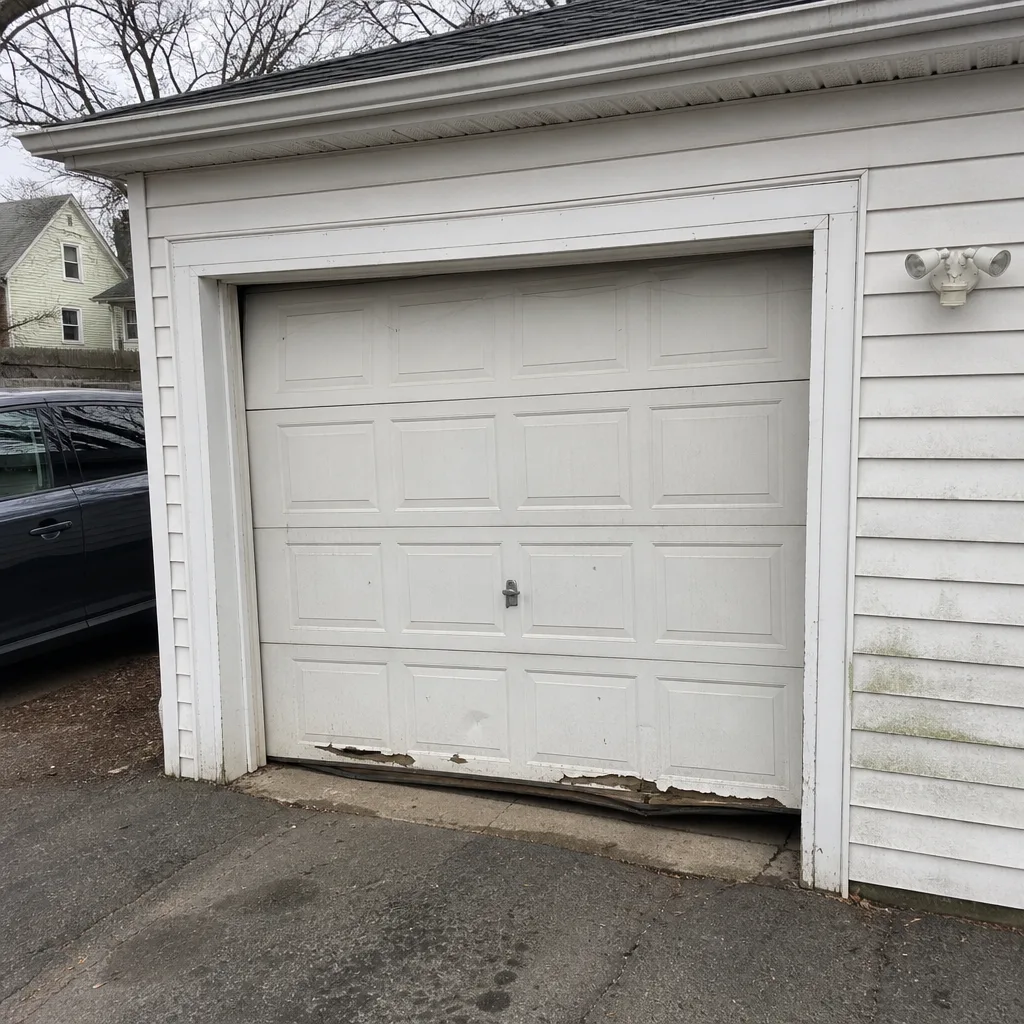 Before
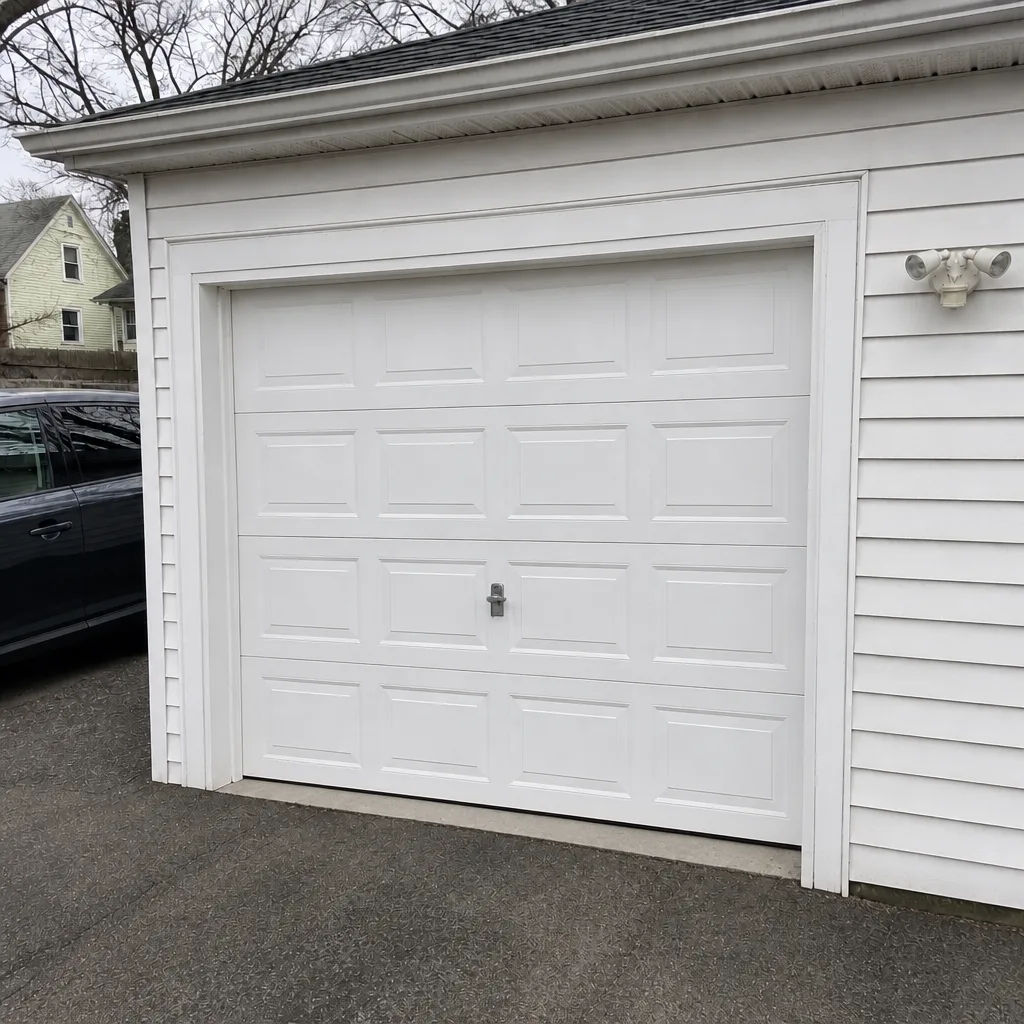 After
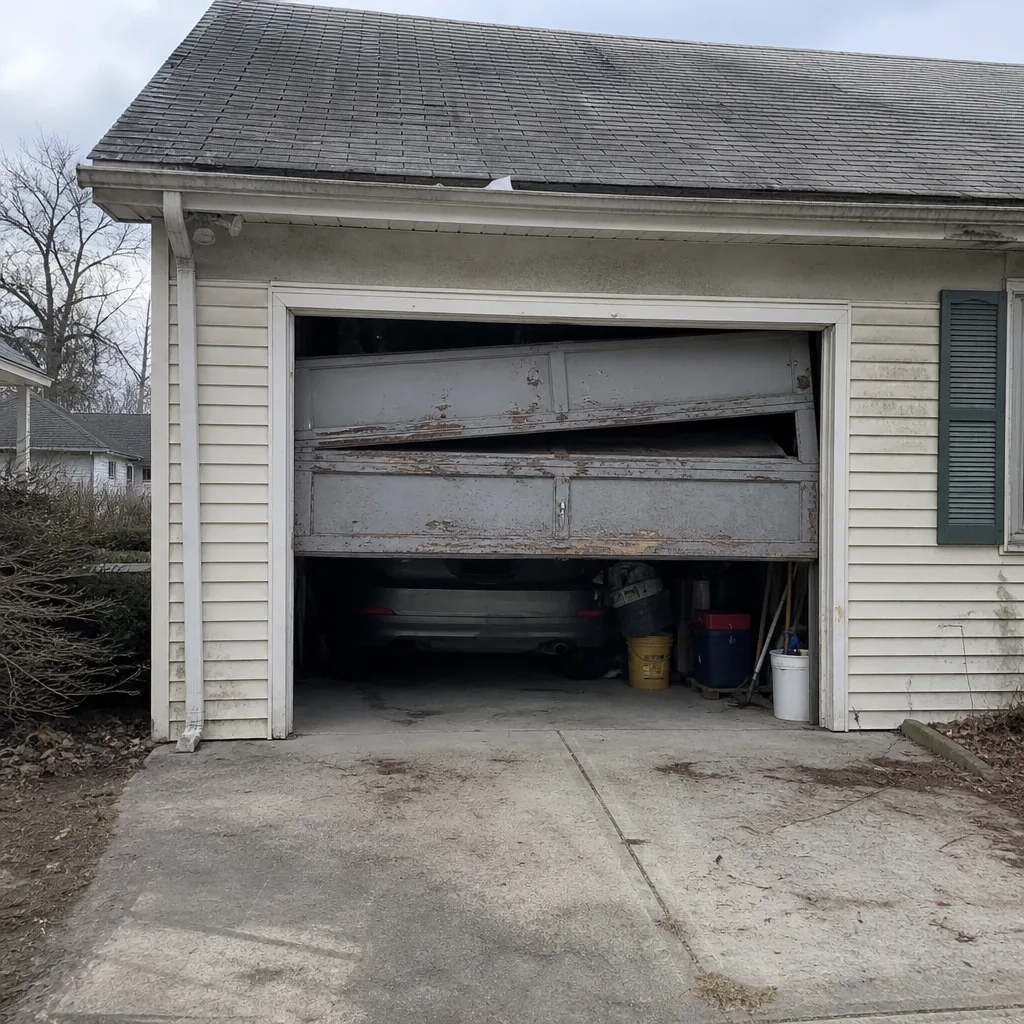 Before
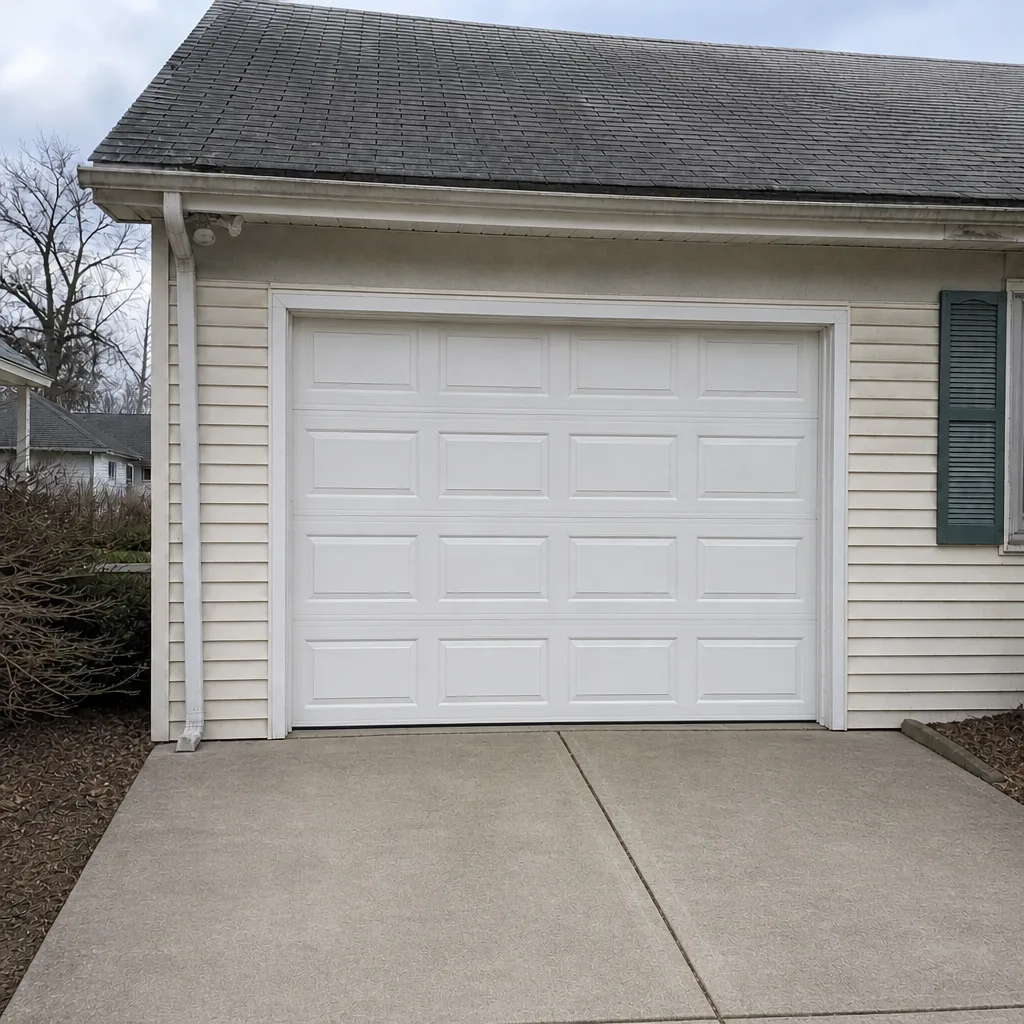 After
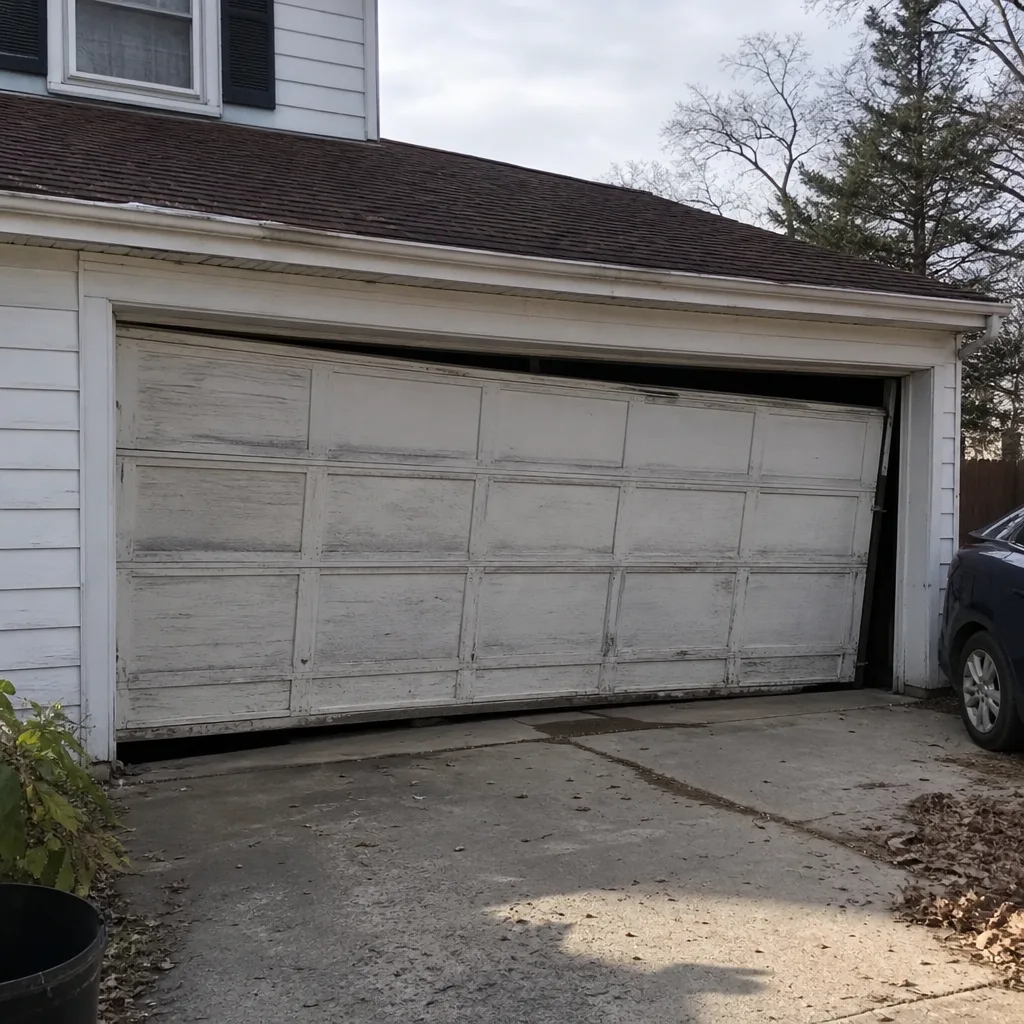 Before
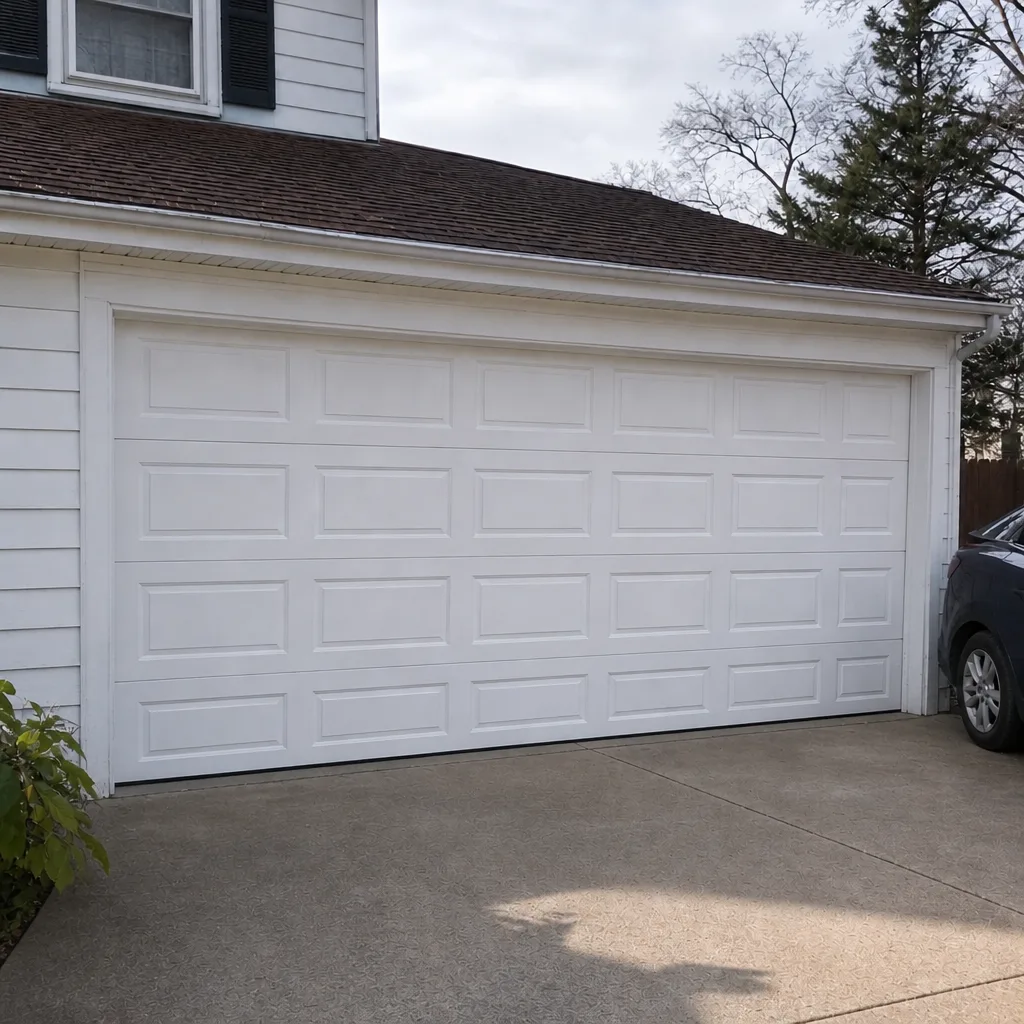 After
When to Call a Professional
Call us when the door involves a spring or a cable, when it’s hanging unevenly, or when it comes down faster than you can stop it. Call if the door reverses and you’ve cleaned the sensors and cleared the track and it still does it. Call if the opener hums without moving the door, or if you can’t tell which of the six categories you’re dealing with and want a straight answer. Springfield Garage Door Repair Pros offers free estimates in Springfield, and you can reach us at (855) 952-3962. If the problem is urgent, our emergency garage door service is a real offering, not a footnote. And if it’s a repair of any kind, we work on your brand across the eight major door and opener systems, so you’re not stuck waiting on a generalist who might guess.
Frequently Asked Questions
A cold-weather reversal is usually a mechanical resistance issue, not an electrical failure. Thickened lubricant, a slightly bowed track, or a door that’s gone out of balance creates resistance that the opener’s force sensor reads as an obstacle, so it reverses. Clean the sensor lenses, clear snow from the tracks, and test again. If it persists, have the balance and alignment checked before replacing anything.
Sometimes. If the safety sensors are misaligned, dirty, or blocked, cleaning and realigning them is a safe DIY check. If the door still won’t close and the sensors are fine, the cause is usually a travel limit or a balance problem, and that needs a technician. Anything involving a spring or a cable is not a DIY job. Call (855) 952-3962 for an exact quote, and estimates are free.
A one-side sag almost always means a stretched or broken cable on that side, or a worn roller pulling the door out of level. Stop operating the door; a cable under tension can fail suddenly. This one belongs with a technician, and it’s worth calling early before the sag stresses the other side.
An opener that hums without moving the door usually has a stripped drive gear or a broken chain or belt coupling. The motor is fine; the drivetrain that connects it to the door is not. This is a diagnostic job for garage door opener repair, not something to force by hand. Describe the sound and brand over the phone and we can tell you what to expect.
Warranty terms depend on the part, the manufacturer, and the specific repair, so ask for the terms in writing with your estimate. What we can confirm is that we’ll quote the price before any work starts, and you’ll know what’s covered before you agree. Call (855) 952-3962 with your door and opener brands and we’ll walk you through it.
Repair is usually the right call when one or two parts failed and the door itself is sound. Replacement makes more sense when panels are bent or rusted through, springs and cables are all near the end of their life together, and the opener can’t keep up. A free measure and a written price help you compare both paths before deciding. Estimates are free, so there’s no pressure to choose either way before you know the numbers.
The Bottom Line
Garage door troubleshooting comes down to reading symptoms accurately and knowing which ones are safe to chase and which ones mean stop. Sort the problem into one of six categories, match the symptom to its cause, run the safe checks, and describe what you’ve found when you call. In Springfield, cold weather creates seasonal failures that look electrical but are mechanical, so check the balance and the sensors before assuming the opener is dead. Keep away from springs and cables. And when the diagnosis points to a repair, get a price in writing before any work starts. That’s the whole difference between guessing and fixing it right the first time.
If you’re ready to get it fixed, call (855) 952-3962 for a free estimate. We work on your brand, from a single Genie opener to a full Clopay door, and we’ll tell you what’s wrong before we touch a thing.
Written by the team at Springfield Garage Door Repair Pros.