Last updated November 21, 2026
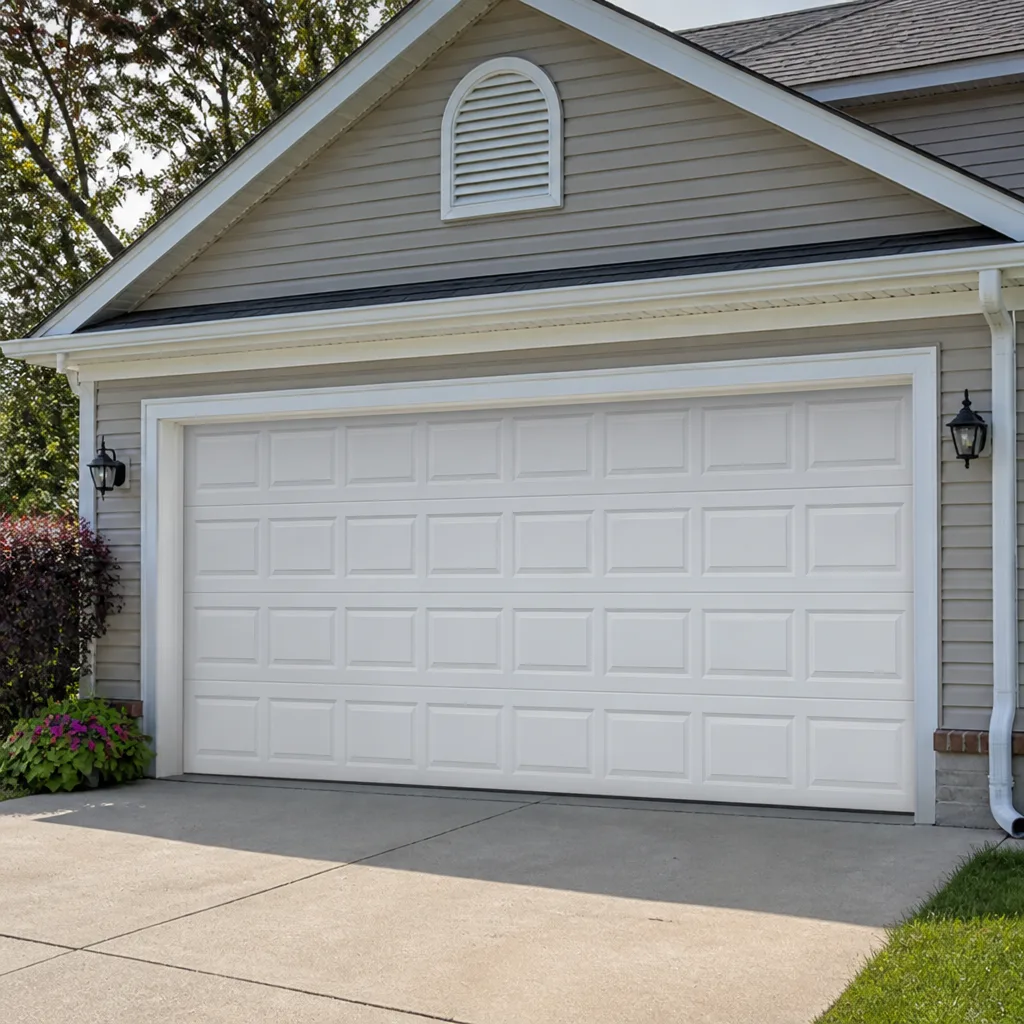 Raised-panel steel
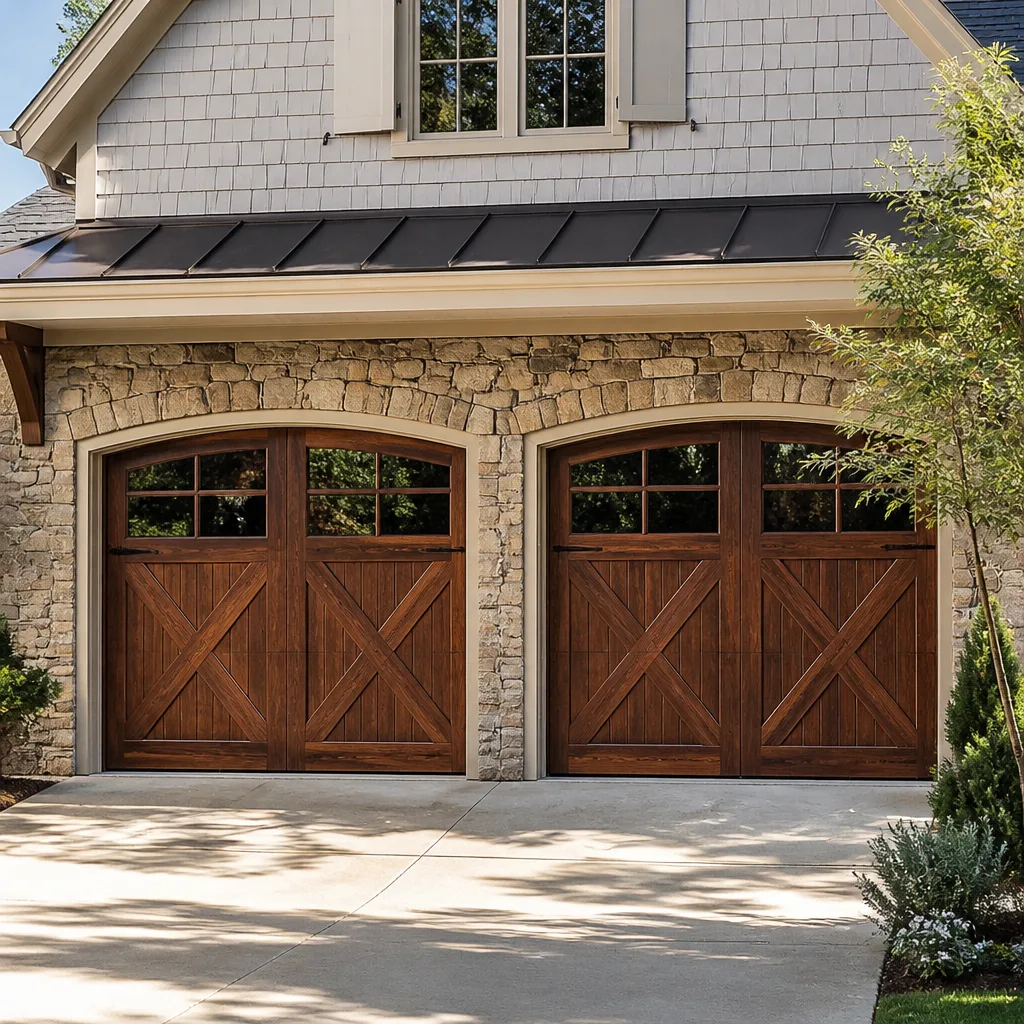 Carriage house
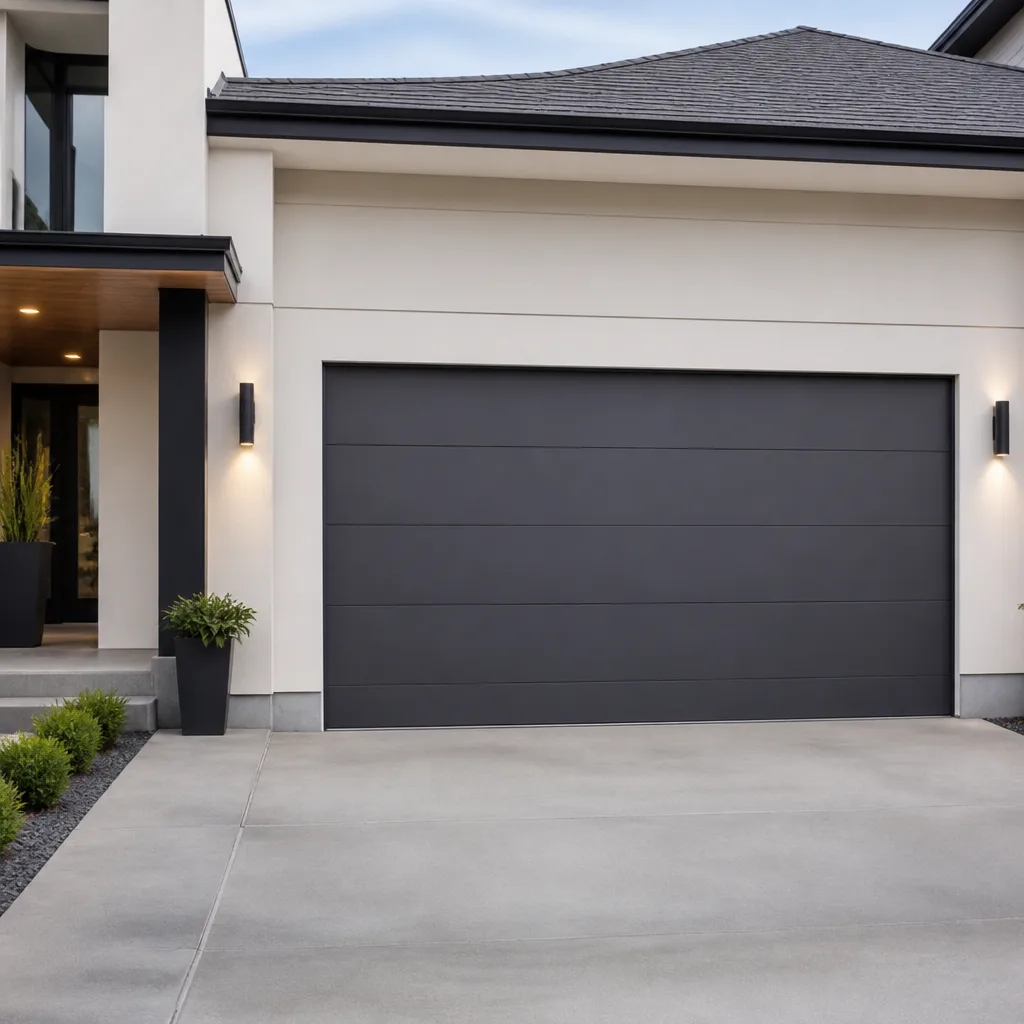 Modern flush
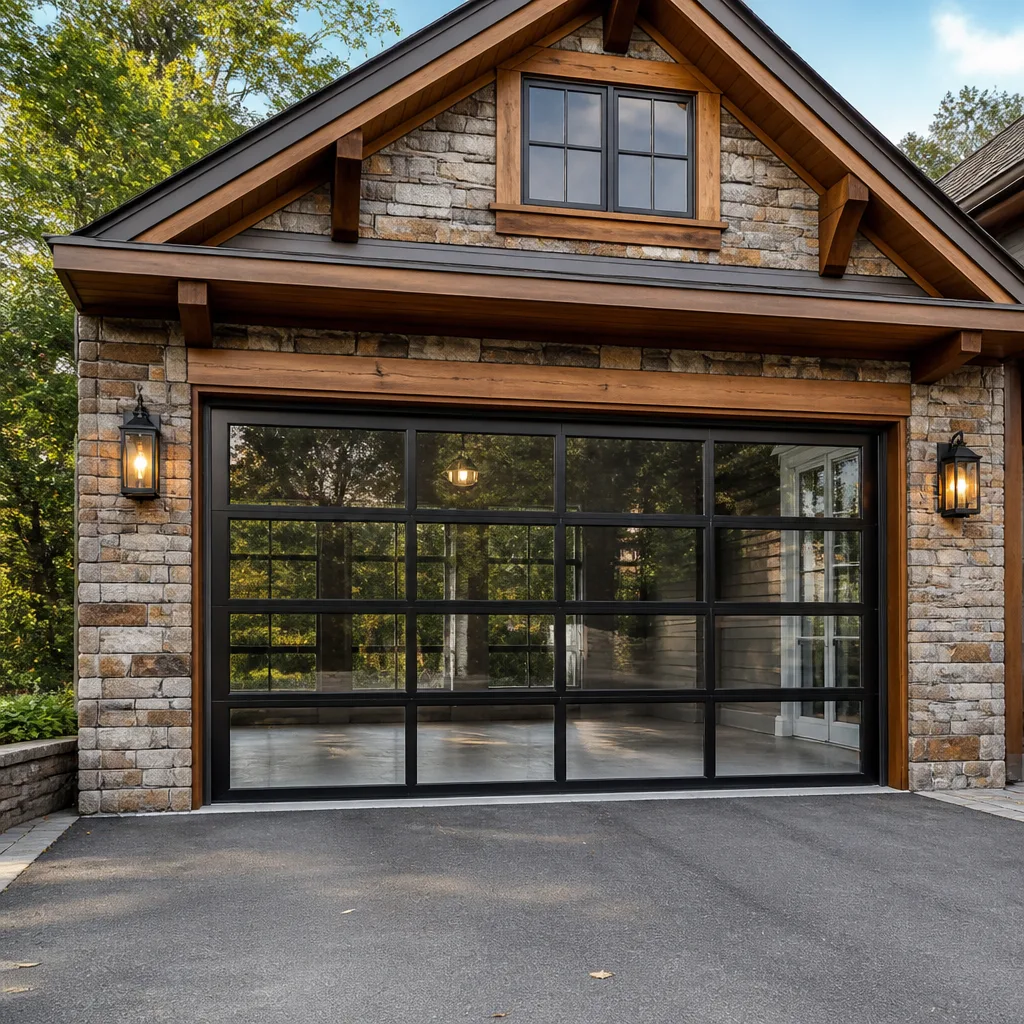 Full-view glass
 LiftMaster openers
 Chamberlain openers
Full 25-point door and opener safety check with every visit - springs, cables, rollers, tracks, and your LiftMaster or Chamberlain opener included
You get a price before we start. It does not change when the pro arrives.
Get your free estimateSeasonal Garage Door Care for Springfield: Year-Round Homeowner’s Guide
Most garage door advice treats the four seasons as equals: a little lubrication in spring, a little tidying in fall, and the door will behave. That’s the wrong way to think about it in Springfield. Winter and the spring thaw drive the large majority of the mechanical failures we see on garage doors around the city, and they do it on a predictable schedule. The cracked bottom seal you discover on a February night at 11 PM was preventable back in October. The door that jams the first warm week of March was already being pushed out of line by frost heave in January. This guide walks you through a care calendar weighted toward the seasons that actually break things in Springfield, so you spend your effort where it counts and skip the busywork that changes nothing.
Quick Answer
Garage door care in Springfield is front-loaded: the critical maintenance window is late October, before the first hard freeze, when you inspect and treat the bottom seal, test the balance of the springs, and align the photo-eye sensors. The second key window is March and April, when frost heave shifts tracks and frames and a post-thaw inspection catches misalignment before it grinds the door. Summer and fall care is lighter and focuses on lubrication, hardware checks, and wood or composite door treatment.
Styles & brands we work with
- Raised-panel steel
- Carriage house
- Modern flush
- Full-view glass
- LiftMaster openers
- Chamberlain openers
Table of Contents
- The October Pre-Winter Prep Sequence
- Seal Failure: Why It’s the First Thing to Check Before Winter
- Spring Brittleness in Cold Weather
- Photo-Eye Misalignment from Frost Heave
- What “Spring Thaw Inspection” Means Mechanically
- Summer Humidity and Older Springfield Housing Stock
- Testing Limit Switches When Cold Changes Opener Behavior
- The Fall Lubrication Protocol That Survives February
The October Pre-Winter Prep Sequence
The three failures that account for most Springfield winter garage door calls are seal failure, spring brittleness, and photo-eye misalignment from frost heave. All three are far easier to prevent in October than to fix in January. Work through this sequence before the first week of November, when the ground is still soft and daytime temperatures let you work comfortably outdoors.
- Inspect the bottom seal. Run your hand along the rubber or vinyl astragal at the base of the door. Look for cracks, flattening, or sections pulling away from the aluminum retainer. A brittle seal lets cold air and moisture under the door, and once water gets in and freezes, it lifts and stresses the whole bottom section.
- Test the spring balance. Disconnect the opener (most openers have a release cord, or a manual release on the trolley) and lift the door halfway by hand. A balanced door stays where you put it. A door that drops or wants to fall has springs that are losing tension, and a weak spring is a much bigger problem in cold weather.
- Check the photo-eye sensors. The two small sensors near the floor on either side of the opening need to be aligned and their lenses clean. Frost heave in the slab and frames can shift them slightly out of line over winter, so set them up clean and squared now.
- Look at the tracks and hinges. Loose lag screws, bent track sections, and worn hinges should all be tightened or flagged before the freeze.
- Clean and lubricate the moving parts with cold-rated grease (see the protocol below), not a standard petroleum product.
Our technicians have up to 11 years of experience and work on the full range of LiftMaster, Chamberlain, Genie, Clopay, Amarr, Wayne Dalton, Craftsman, and Raynor systems, and this sequence is the same whether you’re in a newer home off Wilbraham Road or a 1920s house near Forest Park. If the October inspection turns up a weak spring or a damaged track, our garage door spring repair handles the spring assessment and replacement properly. If the opener itself is behaving oddly, our garage door opener repair covers LiftMaster, Chamberlain, Genie, and Craftsman units specifically.
Seal Failure: Why It’s the First Thing to Check Before Winter
The bottom seal is the cheapest part on your door and the one that fails first in a Springfield winter. It’s also the one where a small failure snowballs. A hairline crack in the rubber lets in a thin ribbon of water; that water freezes overnight, expands, and widens the crack, and by February the seal is separating from its retainer and letting cold air and meltwater under the door. The damage typically moves from the seal to the bottom section itself, where the steel skin can rust and the paint can peel.
When you check the seal in October, look for these signs:
- Visible cracks, splitting, or hardened, brittle rubber
- Flattened spots or gaps where the door meets the floor
- Sections of seal pulling away from the aluminum track or retainer
- Daylight or a draft visible under the closed door
- Rust staining at the bottom edge of the lowest door panel
If the seal is already damaged going into winter, replace it before the first hard freeze. If it’s intact but stiff, a light application of a silicone-based product keeps the rubber supple through the cold. The thermal cycling that happens at the door threshold, cold at night, warm during sunny days, works against every seal, which is why the Springfield climate makes this an annual item rather than an occasional one.
The same freeze-thaw cycle stresses weatherstripping around the door opening and the trim on wood doors, so check those while you’re at the base of the door. A door that isn’t sealing tightly also makes your garage an easier target for drafts that reach into the room above it, which is a comfort issue more than a door-mechanics one, but it’s the same task to fix while the weather allows.
Spring Brittleness in Cold Weather
Torsion and extension springs are steel under heavy tension. Steel behaves differently as the temperature drops: it becomes less ductile and more prone to brittle fracture. A Springfield winter brings plenty of mornings well below freezing, and those are the mornings when a tired spring is most likely to snap. The fix isn’t exotic. It’s treating the balance test in October as a mandatory check, and giving a spring that’s already lost tension a proper assessment before the cold sets in.
Signs you should pay attention to:
- A door that’s heavier to lift or that drops on its own when the opener is disengaged
- An opener that has started straining more than usual at the top or bottom of travel
- A visible gap or separation in a torsion spring (a broken spring usually has an obvious gap)
- A loud bang from the garage, even if the door still opens, which is a sign one of a pair has failed
Springs are the single most dangerous part of a garage door to work on yourself. The torsion spring holds enough stored force to cause serious injury, and that risk goes up, not down, when the part is old or the weather is cold. We don’t recommend attempting spring work without training and the right tools. Spring repair done safely, by a technician who understands the correct winding and tension, is exactly what we do; it’s a standalone specialty for us, not something we delegate. We also replace springs as a matched pair when they’re a pair, because a fresh spring on one side and an aged one on the other loads the door unevenly. If you’re scheduling the October inspection and want a professional verdict on the springs, our garage door repair covers the full set of issues that come up, spring assessment included.
Photo-Eye Misalignment from Frost Heave
The photo-eye sensors, the two small units near the floor on either side of the door, are the safety system that stops the door from closing on a person, pet, or object. They work as a beam: if anything breaks the beam, the door reverses. The sensors are aligned with the precision of an optical system, which means a small shift is all it takes to make the opener refuse to close the door. In Springfield, winter ground movement is the most common cause of a photo-eye that suddenly won’t line up.
Frost heave is the mechanism. As the ground freezes, moisture in the soil expands and lifts it, and the lift is uneven. The door frame, the jamb, and the concrete apron at the front of the garage all move at slightly different rates. The result, in a lot of Springfield garages, is sensors that were aligned in October sitting a fraction out of line by January. The symptom is a door that goes up fine but refuses to close, or closes a foot and reverses. Sometimes the opener’s light flashes in a pattern; sometimes it just stops.
Here’s what’s worth checking yourself:
- Are both sensor lenses clean and pointed roughly at each other?
- Is anything, a broom, a bag of rock salt, a leaf or snow pile, blocking the beam?
- Is the small indicator light on each sensor glowing steady, or flickering?
- Have the mounting brackets shifted, tilted, or come loose?
If a sensor is loose or the beam won’t stay lined up, the bracket or the wire has likely been affected by the frame movement. That’s a repair rather than a nudge. Keep the outside of the sensors clear all winter, and if the door stops closing when nothing is in the way, don’t fight the door; call for diagnosis.
What “Spring Thaw Inspection” Means Mechanically
Spring thaw inspection means checking the door after the frozen ground has released so you can catch the shifting that happened over winter, before it wears out your door. Between March and April in Springfield, frost heave reverses. The ground that pushed up in January settles back, but not perfectly evenly. Frames, tracks, and the concrete apron move again, and the door hardware takes the strain.
The inspection isn’t just a visual walk-around; it has specific mechanical targets:
- Track alignment. Look at the vertical tracks on each side where they meet the framing. Are the gaps even? Are the tracks still vertical and parallel? A track that has been pushed slightly out of plumb will make the rollers drag, and the door will sound rough or bind halfway up.
- Frame and jamb fasteners. Check the lag screws and bolts that anchor the tracks and the jamb brackets. Ground movement loosens these, and loose fasteners let the door shift further.
- Door panel alignment. Stand back and look at the door closed. The horizontal lines of the panels should be parallel. A visible skew points to something shifted at the hinges or the track.
- Roller condition. Rollers should inch along smoothly. Flat-spotted or noisy rollers are common after a season of a misaligned track grinding against them.
- The threshold and apron. Check for cracked concrete or a lip where the apron has moved up relative to the door. That lip catches the bottom seal.
If the door is binding, scraping, or running unevenly after the thaw, don’t ignore it in hopes it settles by summer. A track that’s out of line wears the rollers and stresses the opener, and the repair gets bigger the longer it runs. For a door that’s been through a full Springfield winter, a professional check with a written estimate is worth doing before the summer heat.
Summer Humidity and Older Springfield Housing Stock
Springfield’s older housing stock includes a lot of wood and composite garage doors. Summer humidity is harder on those doors than winter cold. Wood expands as it absorbs moisture from humid air, and it contracts as the air dries. Over a summer, that cycling works at the joints, the panel seams, and the finish. A wood door that hasn’t been refinished in a few years will show paint checking, grain lifting, and water staining at the bottom. Composite doors are more stable but still benefit from a proper finish.
The treatment schedule that makes sense for a Springfield wood or composite door:
- Late spring: clean the door and inspect the finish for checking or peeling; spot-sand and touch up bare spots
- Midsummer: a full coat of exterior-grade finish on a wood door if the previous coat has begun to fail; most wood doors want a recoat roughly every one to two years depending on sun exposure and the finish used
- Early fall: a final look at the bottom edge and end grain, which take the most moisture, before the wet season
The bottom edge, the end grain at the sides, and the space behind the bottom seal are the spots that fail first. Water collects at the base and wicks into the wood, and the rust or rot that follows is slow and easy to miss. If your Springfield door is old and the finish has gone past touching up, that’s a conversation about refinishing versus replacement. A vinyl or steel door is largely immune to this specific problem, but a steal door still needs its finish checked and its bottom edge sealed, because a scratch that exposes the steel will rust.
Testing Limit Switches When Cold Changes Opener Behavior
Limit switches tell the opener when the door has reached the fully open or fully closed position. When the temperature swings from mild to bitter cold, the door itself travels slightly differently, and the opener can overshoot or undershoot its programmed travel. A door that suddenly stops short of closing, or that opens only partway, is often a limit switch or travel-setting issue that showed up with the cold. On a smart opener from LiftMaster, Chamberlain, or Genie, the app may report a fault or simply refuse the command.
How to test the travel, safely:
- Disconnect the opener at the trolley release and clear anyone from the door’s path.
- With the door in the closed position, reconnect and run the door up to its open limit. Note whether it stops cleanly at the top and whether the door fully clears the opening.
- Run it back down. Note whether it meets the floor without bouncing or reversing, and whether the bottom seal compresses evenly.
- If the door stops before the floor or overshoots the top, the limit or travel setting needs adjustment, which is a technician task on most modern openers because the setting is electronic.
- Repeat open and close once more to confirm the door travels cleanly both ways.
On older Craftsman and Genie openers, the limit adjustments are mechanical, and the cold sometimes affects them differently than electronic units. If you’re not sure which type you have, the model number on the opener head panel is the place to start. If the door travels correctly but the opener still acts up, the fault is likely in the opener, not the door, and that’s a diagnostic we handle for these brands. A door that stops short in the cold deserves attention; don’t just hold the button and force it.
The Fall Lubrication Protocol That Survives February
Most garage door guides tell you to “lubricate the door” and leave it at that. That’s the worst advice in a Springfield winter. The standard petroleum-based lubricant thickens below 20°F, which is a temperature Springfield reaches routinely. A lubricant that thickens does the opposite of its job: it drags on the rollers and hinges, loads the opener, and can turn a door that ran fine in October into a door that groans and strains in January. Use a cold-weather grease or a silicone-based spray formulated for low temperatures.
The fall protocol, done in October before the cold sets in:
- Clean first. Wipe down the hinges, rollers, and tracks with a dry cloth or a light cleaner to remove old grease, dust, and grit. Fresh lubricant over grit just makes a grinding paste.
- Apply cold-rated lubricant to the moving parts: hinges at their pivot points, the roller stems (not the roller wheels themselves, which shouldn’t be greased), and the torsion spring if it’s a type that calls for it.
- Leave the horizontal tracks mostly dry. A thin film is enough; excess lubricant collects dust and grit and turns into a mess.
- Test the door by hand with the opener disconnected to confirm it moves smoothly, then run it with the opener a few times to distribute the lubricant.
- Recheck in the coldest weeks. If the door gets noticeably noisier in deep cold, the lubricant may not be up to the temperature, or a part has worn.
Cold-rated grease keeps the pivots moving when the temperature drops, and a dry, clean door runs more quietly and loads the opener less. Do this once in fall and you’ll notice the difference in January. Pair it with the seal check and the balance test and you’ve covered the three winter failure modes in one afternoon.
Common Mistakes to Avoid
- Treating all seasons the same. Springfield’s winter and thaw cause roughly seven of every ten mechanical failures, so an evenly weighted calendar wastes effort and misses the windows that matter. Front-load your attention on October and the March-April thaw.
- Using standard petroleum lubricant in fall. It thickens below 20°F and turns into drag. Use a cold-weather grease or silicone product made for low temperatures.
- Ignoring the bottom seal over winter. A small October crack gets bigger every freeze, and by February it’s letting water under the door and rusting the bottom panel.
- Forcing a spring that’s lost tension. Working a tired spring harder in cold weather is exactly how you turn a weakening part into a broken one. Test the balance in fall, and don’t muscle it.
- Skipping the post-thaw track check. The March-April inspection catches the frost heave shift before it wears out rollers and loads the opener. Skipping it means the damage gets paid for twice.
- Ignoring a door that stops short in cold. That’s usually a limit or travel setting, not a quirk. A forced door is a door headed for a bigger repair.
- Leaving summer wood door finish unchecked. On older Springfield houses with wood or composite doors, a failing finish wicks moisture into the bottom edge and causes rot that’s expensive to fix later.
See the difference
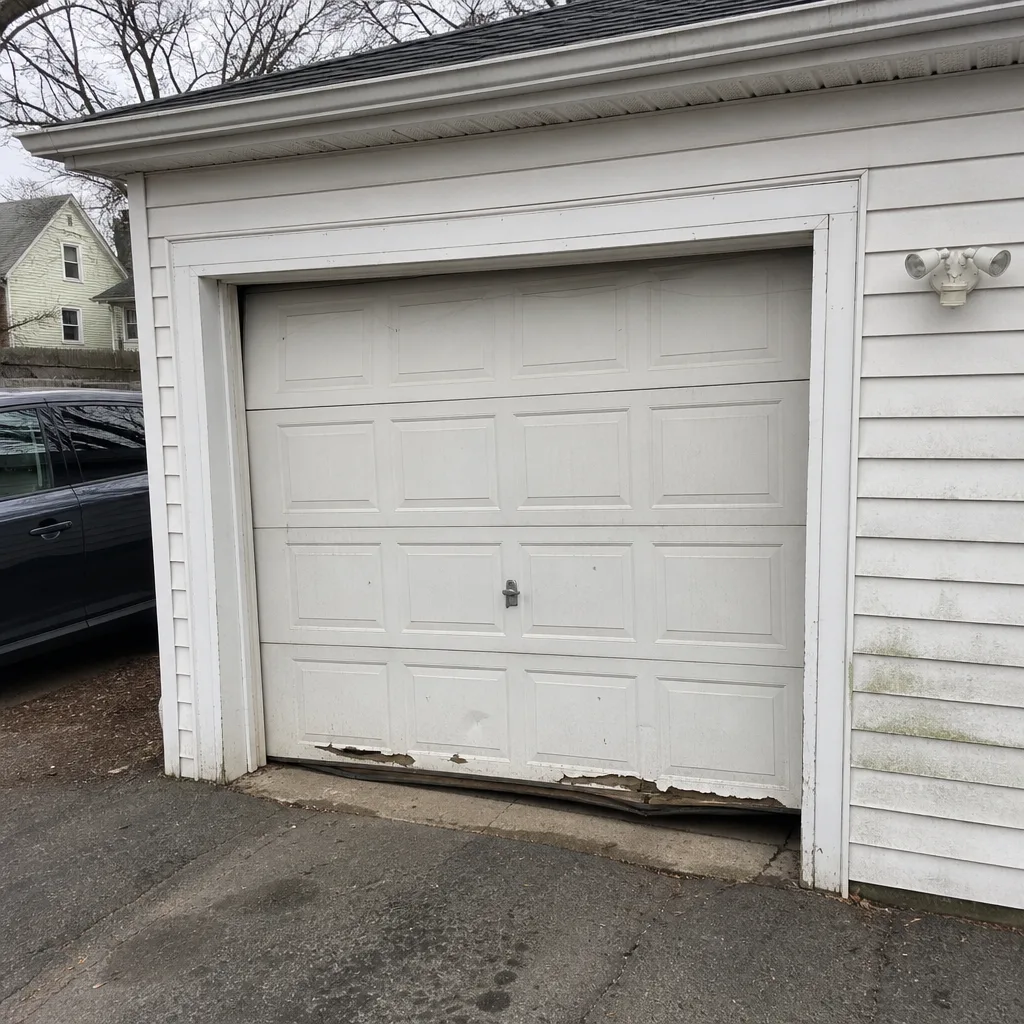 Before
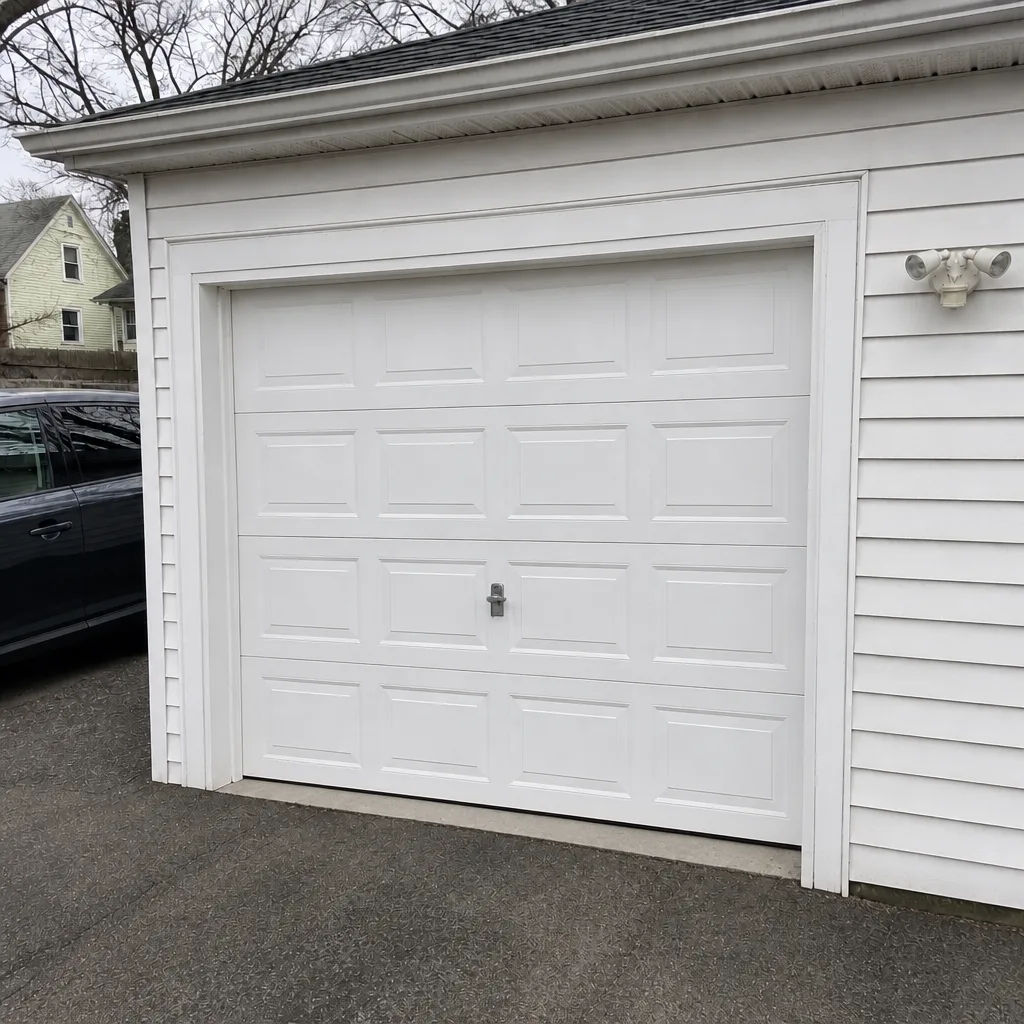 After
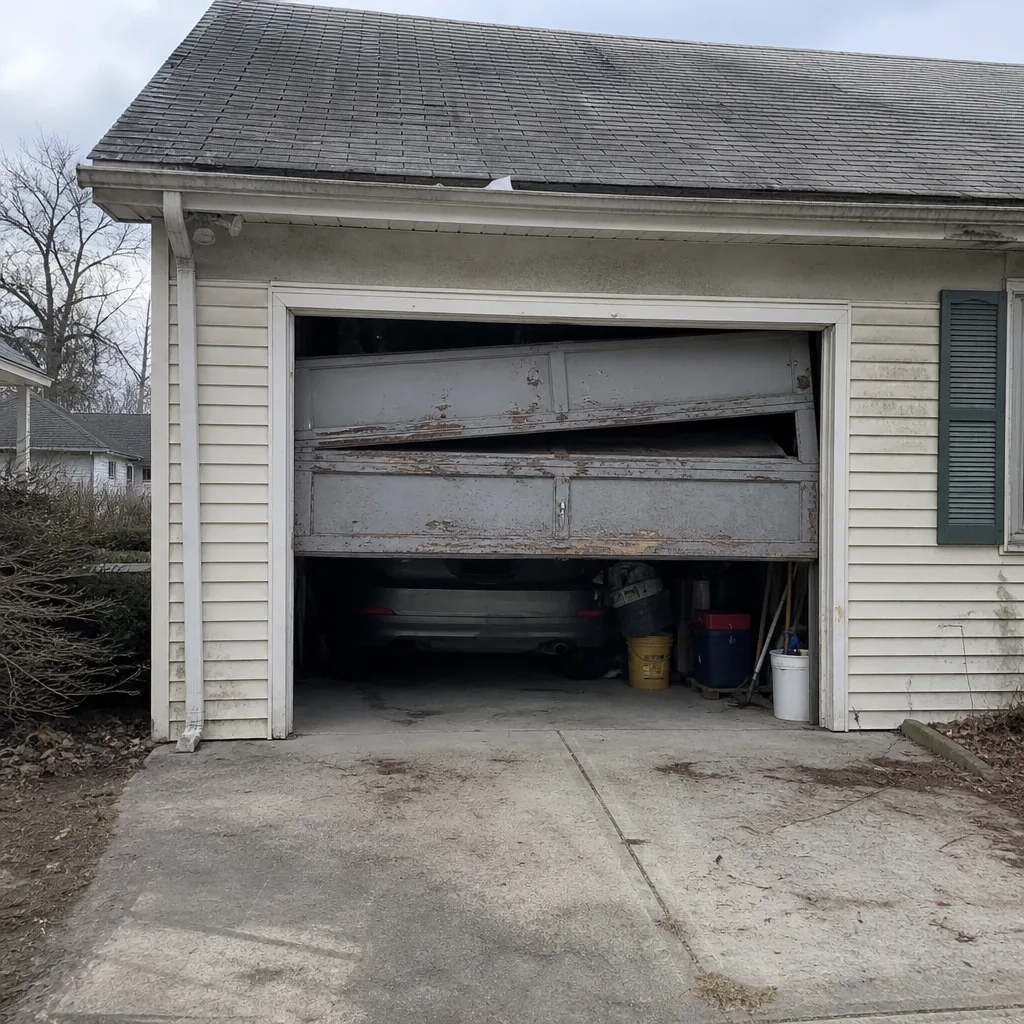 Before
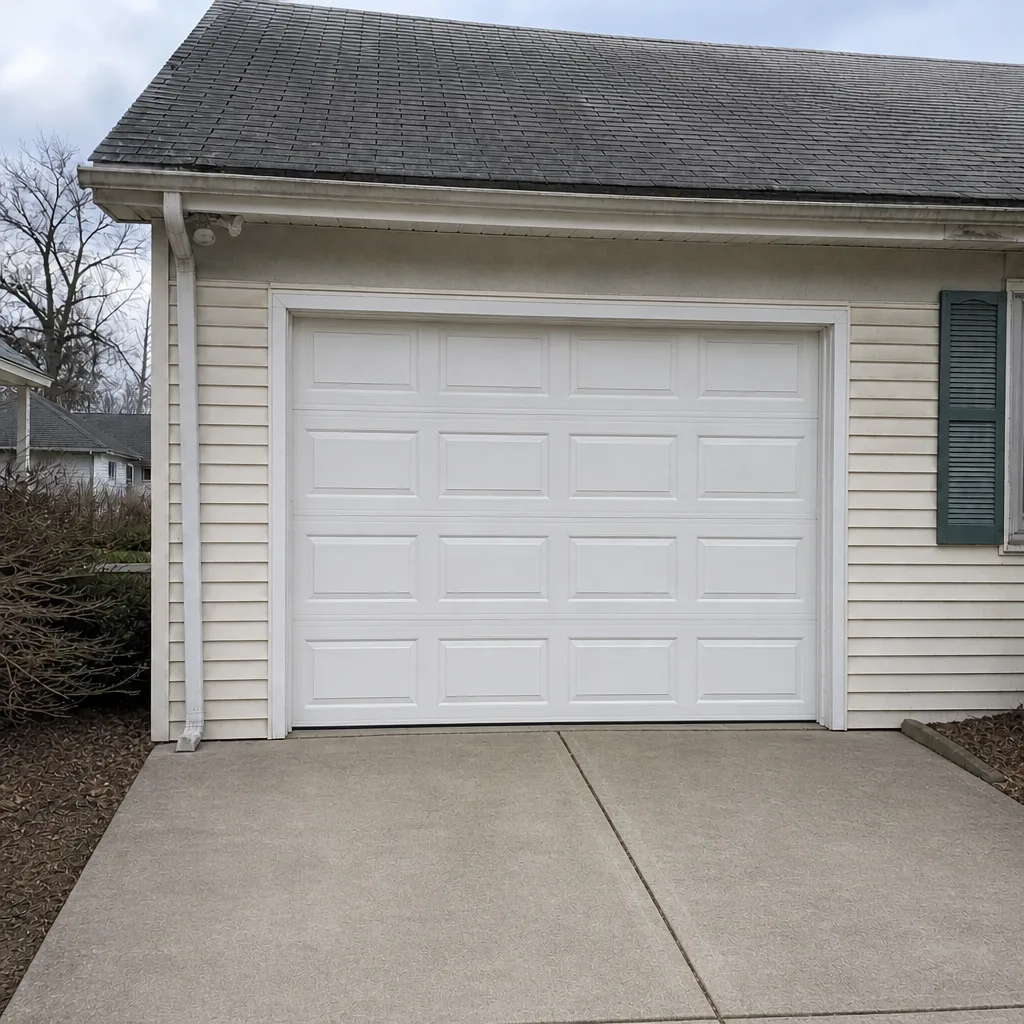 After
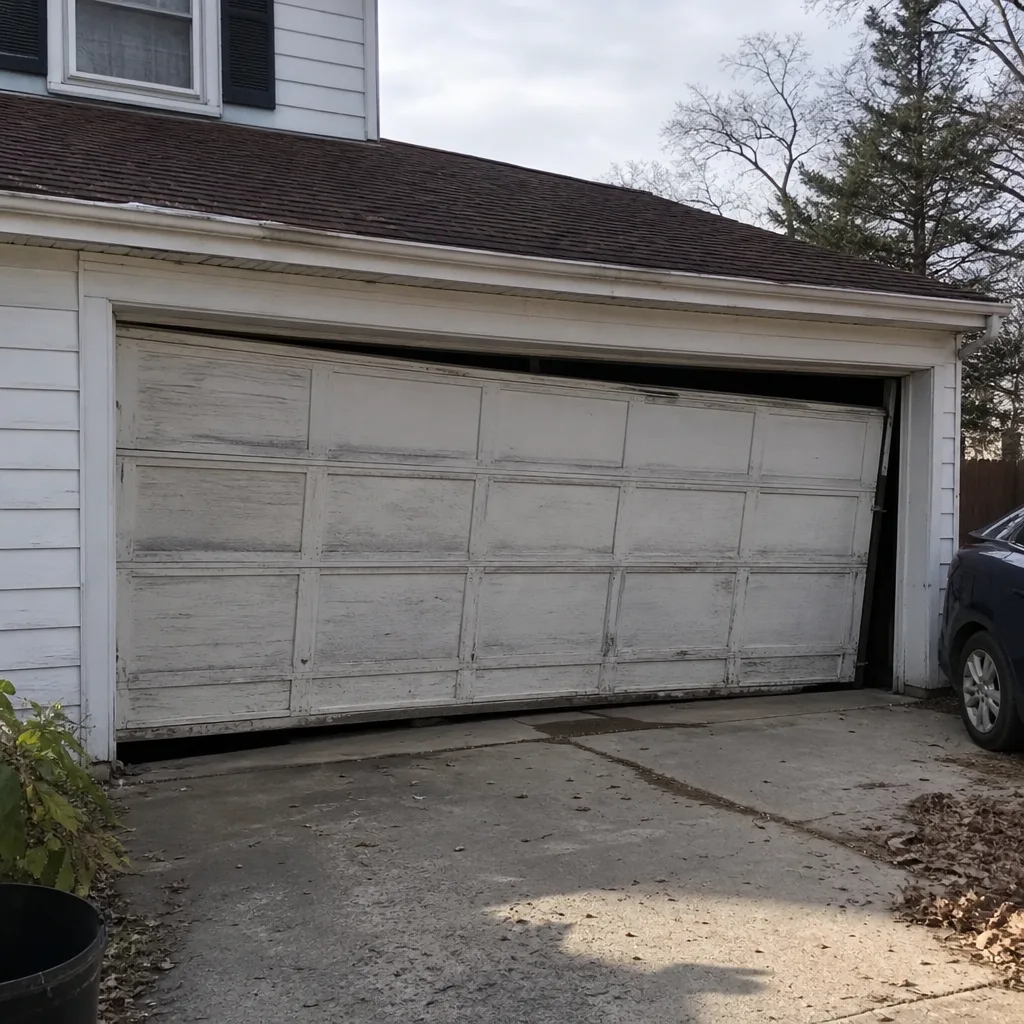 Before
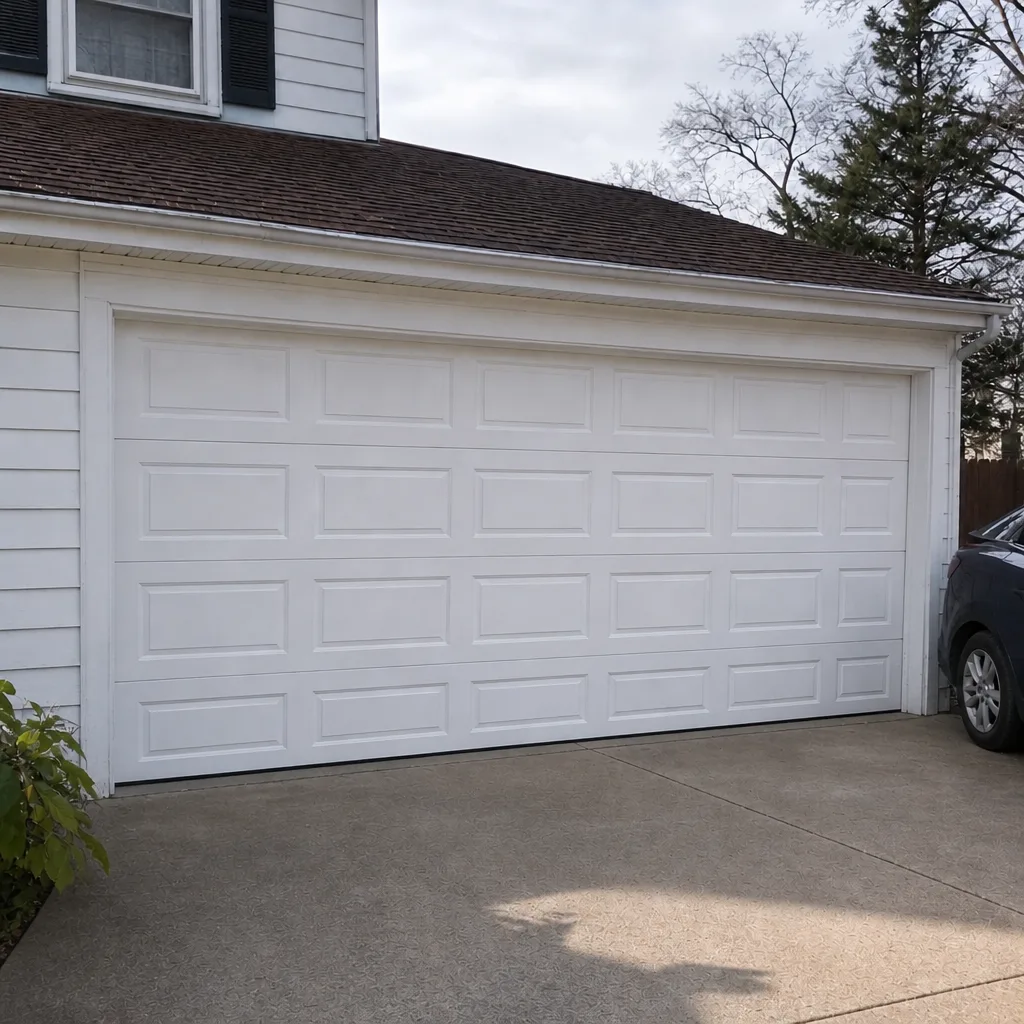 After
When to Call a Professional
Some garage door care is a homeowner job; some is a job for a technician, and the line between them matters. Call a professional if a spring is weak, noisy, or has visibly failed; springs are dangerous and a broken one can leave the door in an unsafe position. Call if the door binds, scrapes, or runs unevenly after the thaw, which points to track or frame movement. Call if the photo-eye sensors won’t stay aligned after a winter, if a door stops short or reverses repeatedly, or if the opener’s behavior changes and simple resets don’t fix it. And call if you’re considering a new door, because the sizing and installation work is its own project. Springfield Garage Door Repair Pros offers free estimates in Springfield; call us at (855) 952-3962 and we’ll give you a straight answer on what needs work and what can wait.
Frequently Asked Questions
Late October, before the first hard freeze, is the single most important window because it prevents the three most common winter failures: seal damage, spring brittleness, and photo-eye misalignment from frost heave. The second key window is March and April, when a post-thaw inspection catches the ground movement before it wears the tracks and rollers. Summer and fall care rounds it out with lubrication and finish work.
Cold weather does two things to a garage door: it makes the steel springs more brittle, and it makes the ground heave unevenly, which shifts frames, tracks, and sensor alignment. A door that was fine in October is under more stress by January. A weak spring or a small seal crack from fall gets worse in the cold, which is why the October prep matters so much.
Spring repair pricing varies with the door type and the spring configuration, so the written estimate sets the final price. We give the range and the terms up front, agree the price with you before any work starts, and don’t start until you’ve signed off. Call (855) 952-3962 for a free estimate and a clear price for your door.
No, a standard petroleum lubricant thickens below 20°F and makes the drag worse in cold weather. Use a cold-weather grease or a silicone-based spray rated for low temperatures, and apply it in October before the cold sets in. A door that’s still stiff after proper lubrication needs a professional look at the springs and rollers.
The most common cause is photo-eye sensors that shifted out of alignment as the ground froze and lifted, breaking the safety beam. Check for dirt, debris, or snow in front of the sensors and confirm both lenses are clean and pointed at each other. If the door still refuses to close, or the sensors won’t stay aligned, call for diagnosis; the bracket or wiring is likely affected.
Yes, because the shift happens whether the door complains or not. Frost heave moves the tracks and frames, and the door can run slightly out of line until the wear adds up. A March-April check catches the misalignment before it grinds the rollers or strains the opener. A free estimate costs you nothing and catches it before a small fix becomes a bigger one.
The Bottom Line
Springfield’s garage door care calendar isn’t even. Winter and the spring thaw cause the large majority of the problems, so October and March-April are the windows to protect. Do the pre-winter sequence before the first hard freeze: inspect the seal, test the spring balance, align the photo-eyes, and lubricate with cold-rated grease. Do the post-thaw check after the ground settles: tracks, fasteners, panel alignment, rollers. Keep the summer finish on wood and composite doors current, and treat changes in opener travel as signals to look at the limit settings, not to force the door. If any of it turns up a spring, a track, or an opener problem beyond a simple check, Springfield Garage Door Repair Pros is here to help, with free estimates and same-day and emergency service. Call (855) 952-3962 to book a free estimate.
Written by the team at Springfield Garage Door Repair Pros.