Last updated November 21, 2026
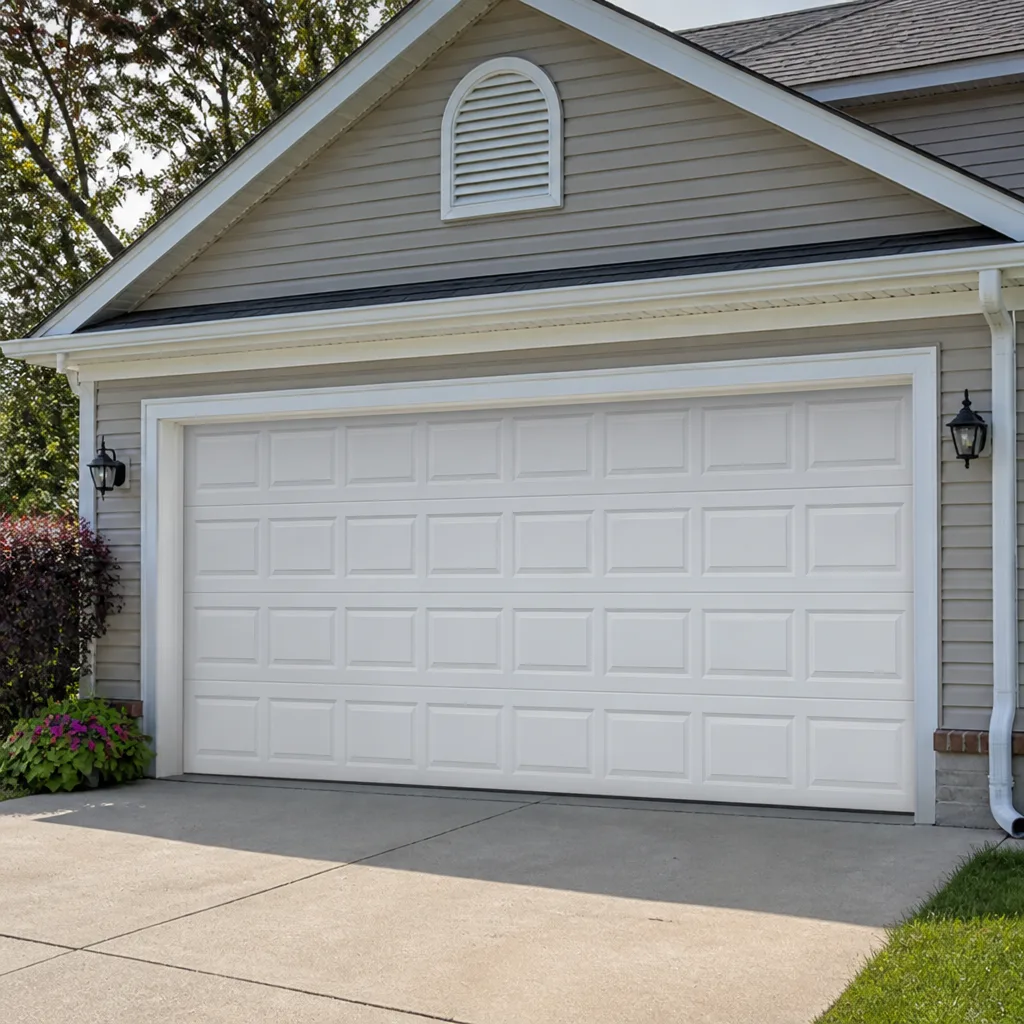 Raised-panel steel
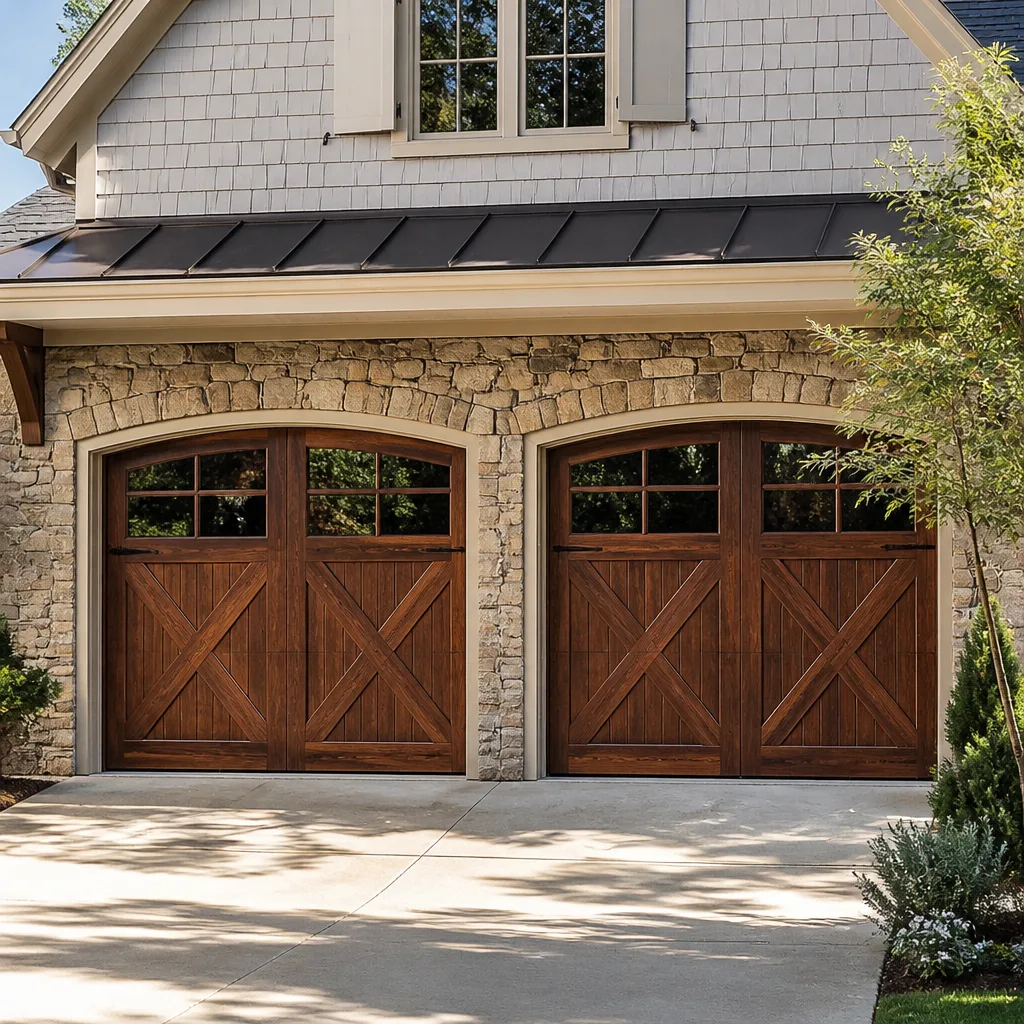 Carriage house
 Modern flush
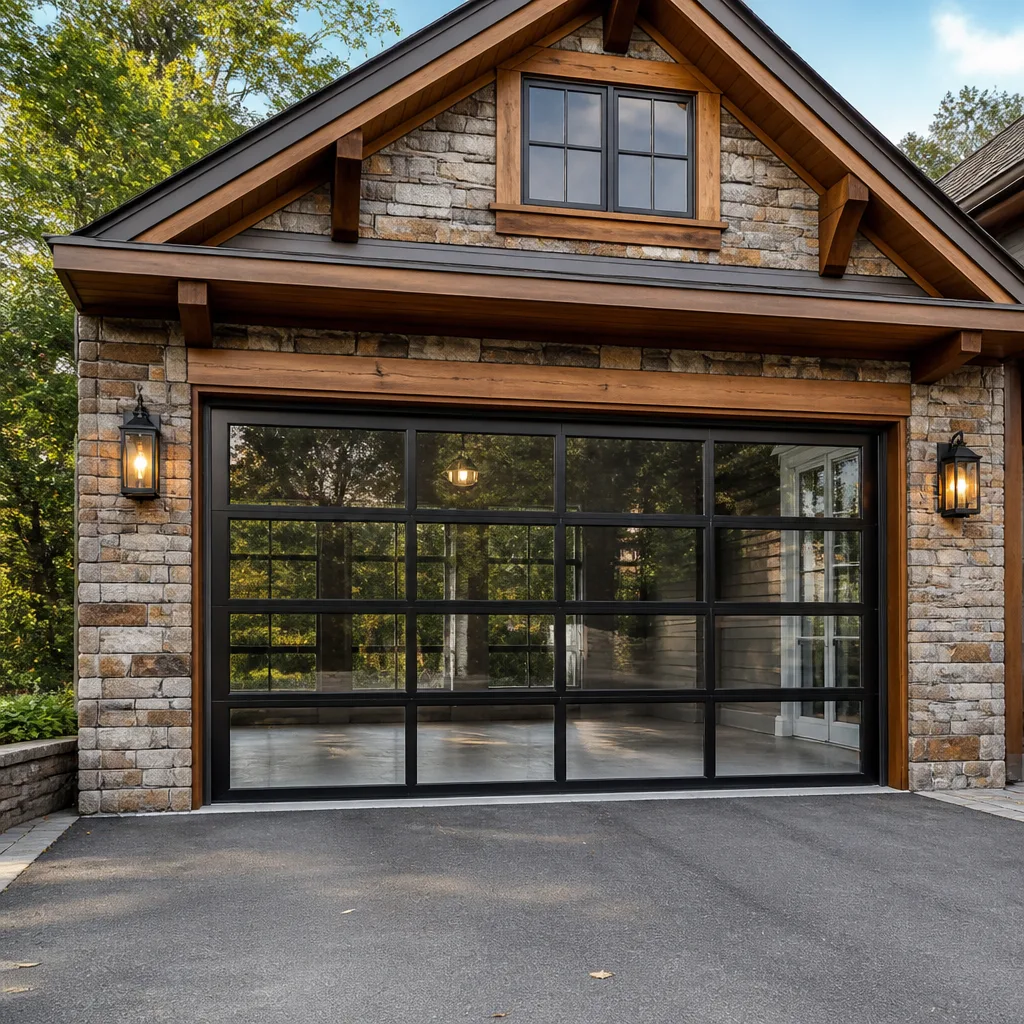 Full-view glass
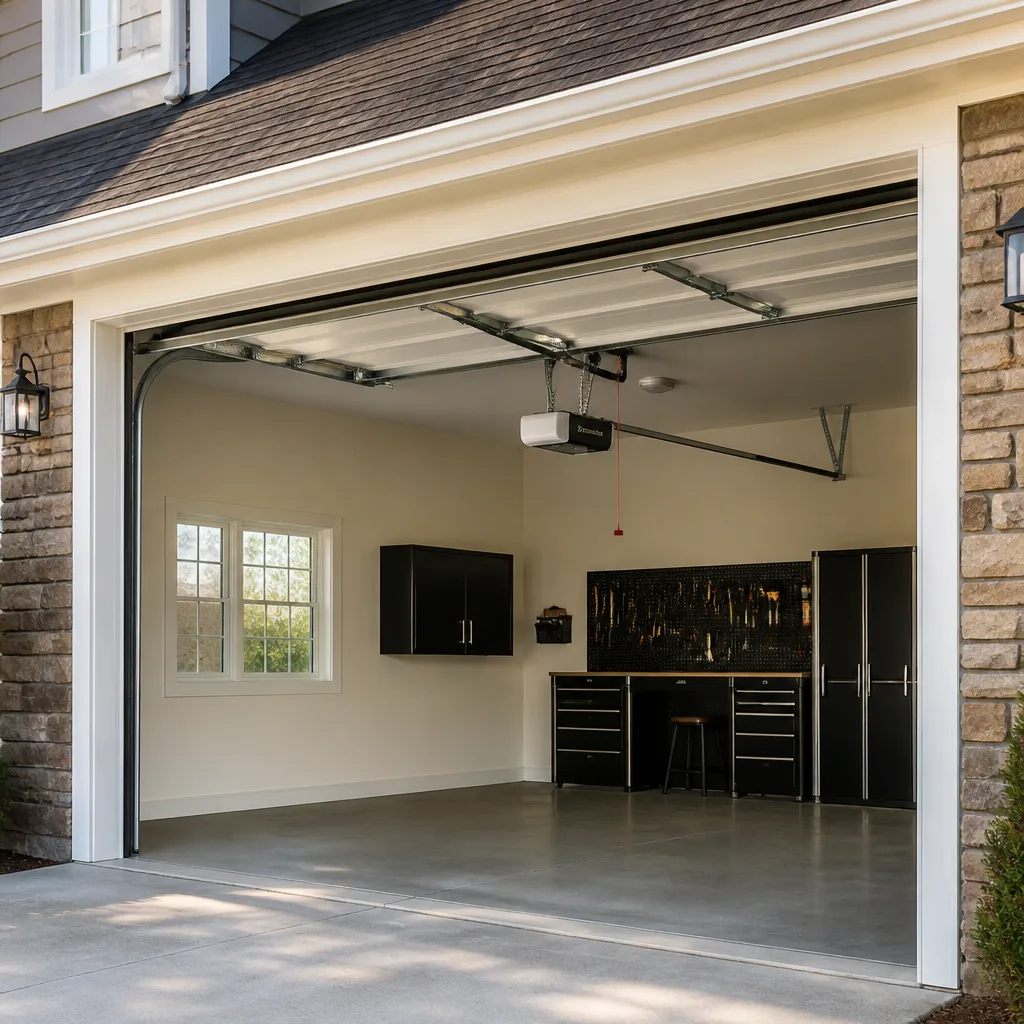 LiftMaster openers
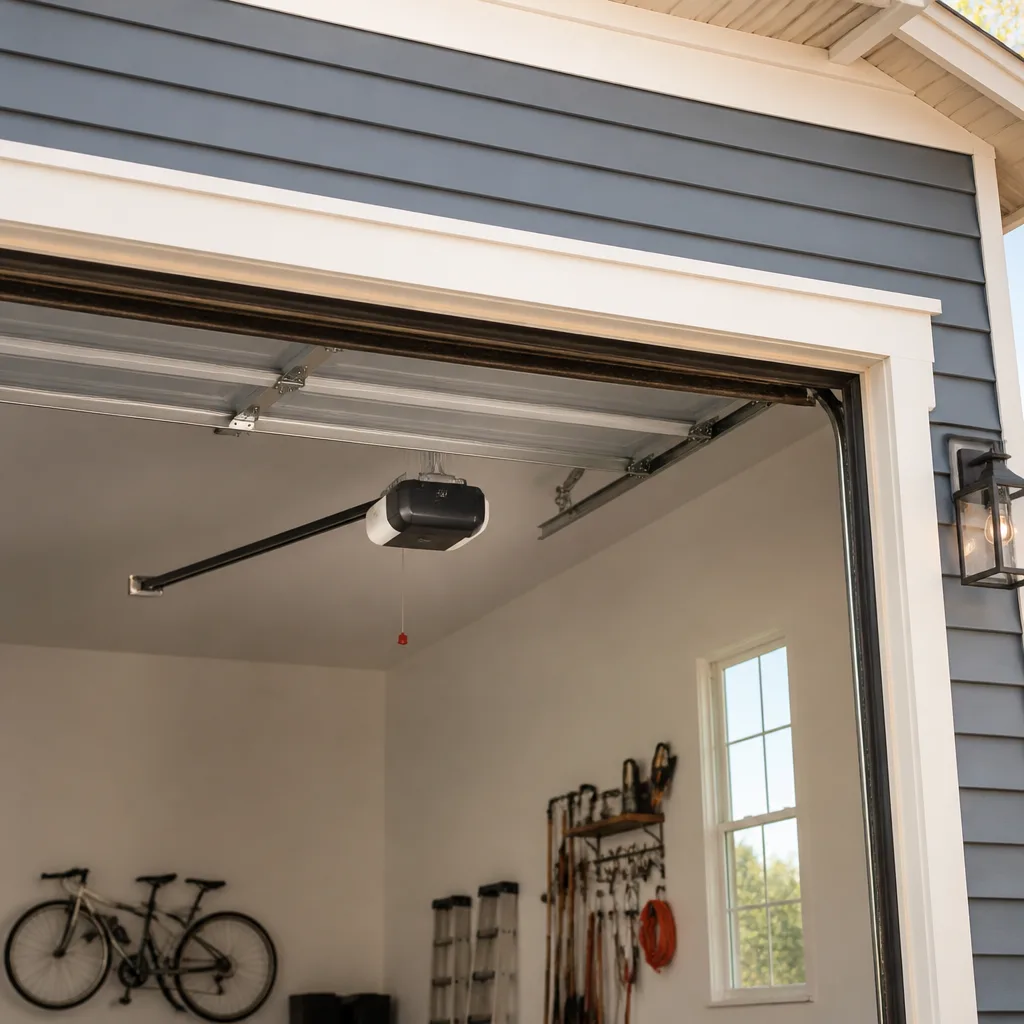 Chamberlain openers
Full 25-point door and opener safety check with every visit - springs, cables, rollers, tracks, and your LiftMaster or Chamberlain opener included
You get a price before we start. It does not change when the pro arrives.
Get your free estimateHow to Hire a Garage Door Contractor in Springfield: A Step-by-Step Guide
Credentials don’t fix garage doors. That’s the counterintuitive part. A contractor can be licensed, insured, and carry a page full of five-star reviews and still not know the difference between a torsion and extension spring system, the torque specifications on a LiftMaster opener, or why a Clopay door with a specific panel weight needs a matching spring gauge. The three credentials people check most are, in fact, the least useful at predicting whether your garage door gets fixed right the first time. What separates a specialist from a generalist is technical. And technical questions are where this guide lives. By the end, you’ll know the five questions that separate specialists from guessers, how Massachusetts registration works, what a Springfield estimate should actually contain, and which upsells to recognize before you sign. Springfield homeowners deal with older housing stock and freeze-thaw cycles that stress door hardware in particular ways, and that makes local vetting more important here than in a milder climate.
Quick Answer
To hire a garage door contractor in Springfield, verify their Massachusetts Home Improvement Contractor (HIC) registration against the state database, ask five technical questions about spring systems, opener brands, and torque specifications, insist on a written estimate with itemized parts and labor, and confirm whether they’re a manufacturer-authorized installer or just a dealer before you sign. The best garages don’t go wrong because the contractor was unlicensed; they go wrong because the contractor didn’t know the specific system in the truck or on the wall.
Styles & brands we work with
- Raised-panel steel
- Carriage house
- Modern flush
- Full-view glass
- LiftMaster openers
- Chamberlain openers
Table of Contents
- Why Hiring a Garage Door Contractor Isn’t Like Hiring a Handyman
- The Five Technical Questions That Separate Specialists From Generalists
- Massachusetts HIC Registration: What It Covers and How to Verify It in 60 Seconds
- What a Legitimate Springfield Garage Door Estimate Must Include
- Manufacturer-Authorized Installer vs. Dealer: Why It Affects Your Warranty
- Spring Replacement and the Safety Question You Must Ask
- Springfield-Specific Red Flags and Upsell Tactics
- Climate, Housing Stock, and Why Springfield Doors Age Differently
Why Hiring a Garage Door Contractor Isn’t Like Hiring a Handyman
A garage door is the heaviest moving object attached to a house. On a standard single-car door, the door itself can run well over 100 pounds, and every bit of that weight is under constant tension from the spring system. When a torsion spring fails, it doesn’t creak and slow down; it releases stored energy in a fraction of a second. That’s why the trade has its own technical language, its own safety protocols, and its own certification tracks. A handyman who can hang drywall and replace a faucet isn’t qualified to touch a spring system, and often isn’t qualified to diagnose a logic board on a Genie opener either.
The distinction matters for a specific reason: garage door work looks simple from the driveway. You press a button, the door goes up. From the outside, it seems like the kind of task that could be handled by anyone with a drill and a ladder. That perception is exactly what allows generalists to bid on garage door jobs they shouldn’t take. Then the door works for a few months, and a spring snaps, or an opener burns out its gear, or the door comes off the track because the torsion bar was wound to the wrong spec.
Most cities require a permit for structural changes to a garage, and some require one for opener electrical work. Massachusetts has its own overlay through the HIC registration system, covered later in this guide. Beyond permits, the deeper issue is competence. A specialist walks up to your door, identifies the spring type (torsion vs. extension) by looking at the bar configuration, checks the door’s balance by disengaging the opener and lifting it halfway, then looks at the opener’s model plate to see what it’s rated for. That sequence takes about ninety seconds and tells them more about your door than a one-hour inspection by a generalist.
So the real question when you hire isn’t “are they licensed?” It’s “do they know what they’re looking at?” The rest of this guide gives you the framework to answer that second question.
The Five Technical Questions That Separate Specialists From Generalists
These aren’t trick questions, and there aren’t wrong answers in a narrow sense. There are answers that tell you the person has done this work for years, and answers that tell you they haven’t. Ask all five. Listen for how quickly the answer comes and whether it’s specific.
- “What type of spring system is on my door, and how do you know?” The specialist will glance at your door and name it: torsion (one or two springs on a bar above the door) or extension (springs running along the horizontal tracks). Then they’ll explain how they identified it. A generalist will hedge or ask to see it more closely.
- “How do you measure spring wire gauge, and why does it matter?” The specialist will explain that spring wire is sized by gauge and inner diameter, and that installing a spring of the wrong gauge creates imbalance and premature wear. A generalist will look at you blankly or say “we just match the old one,” which is only right if the old one was correctly specified.
- “Which opener brands do you work on regularly, and which do you turn down?” A specialist has a specific answer. In our case, we work on LiftMaster, Chamberlain, Genie, Craftsman, and other major systems. A generalist will say “we work on all of them,” which usually means they’ve worked on none of them deeply.
- “How do you set the force limits and travel limits on my opener after a repair?” Force limits control how hard the opener pushes before reversing. Travel limits control where the door stops. A specialist will describe walking through both settings using a specific procedure. A generalist will say “the opener recalibrates itself,” which is not how most openers work.
- “What’s the torque spec for the torsion bar on my door, and how do you confirm the door is balanced before you leave?” This is the deepest question. The specialist will talk about door weight, drum size, cable length, and the balance test (lift the door halfway by hand, let go; it should hold position). A generalist will change the subject.
If the answers come fast and specific, you’re probably talking to a specialist. If any two of them come slow or vague, ask for a second bid. You can find more detail on what a specialty garage door repair diagnosis looks like before you call.
Massachusetts HIC Registration: What It Covers and How to Verify It in 60 Seconds
Massachusetts requires Home Improvement Contractors working on residential property to hold an HIC registration issued through the Office of Consumer Affairs and Business Regulation. This is separate from a construction supervisor license and separate from a trade license. It exists because home improvement is one of the highest-volume categories of consumer complaint in the state, and registration gives homeowners a formal channel to file a complaint and a financial backstop if something goes seriously wrong.
Garage door work falls under this requirement. A contractor replacing a door, installing a new opener, or performing significant repair to the door structure is doing home improvement work under the state’s definition. Ask for the HIC registration number before work begins. If a contractor can’t produce it, that’s not a technicality. It’s a signal about how seriously they take the compliance side of the job, and compliance discipline usually correlates with technical discipline.
Here’s how to verify registration in about a minute:
- Ask the contractor for their HIC registration number in writing (email is fine).
- Open the Massachusetts Office of Consumer Affairs and Business Regulation website and search for the HIC lookup tool.
- Enter the number and check the name on file. It should match the company you’re hiring, not a subcontractor or a different entity.
- Confirm the registration is current, not expired.
- If the contractor carries insurance, ask for a certificate of insurance naming you as the property owner and check the dates.
Springfield’s older housing stock means a lot of garage doors here are original or nearly original to the home. That age makes spring replacement and door balance work more common than new installs in many neighborhoods, which puts more weight on the technical questions above. A registered contractor who can’t answer those questions is no safer than an unregistered one, and the reverse is also true. Registration is the floor, not the ceiling.
What a Legitimate Springfield Garage Door Estimate Must Include
A written estimate for garage door work should be itemized enough that you can see what you’re paying for. Vague estimates are where price-padding hides. If a contractor hands you a single lump sum, ask for a breakdown before you sign. Here’s what a clean estimate looks like in outline.
- Parts, itemized by component. For a spring job: how many springs, what gauge, what inner diameter, what cycle rating. For an opener: model number and whether it’s a belt, chain, or screw drive.
- Labor, broken out separately from parts. Not just a percentage, but a stated labor amount or hours estimate.
- Disposal fees, stated explicitly. Old door removal and haul-away are real costs. They should be on the estimate, not added later.
- Scope of work in plain language. What’s being replaced, what’s being adjusted, what’s not covered.
- Balance test and safety check included or not. A correct estimate includes a post-repair balance and safety-reverse test, and says so.
- Warranty terms on parts and labor, separately. Manufacturer warranty on parts is often distinct from the contractor’s workmanship warranty.
- Payment terms and deposit structure. Massachusetts caps deposits on home improvement contracts; ask what the contractor’s standard structure is.
Line items that signal price-padding: an “adjustment” line that’s not tied to anything specific, a “shop supplies” charge with no explanation, a “safety upgrade” line item that wasn’t discussed in advance, or a “tune-up” charge added to a repair that didn’t need one. None of those are inherently illegitimate, but each should be explained before you sign, not discovered at invoice time. For pricing context on specific repair types, our guide to garage door opener repair covers typical line items in detail.
The single most important line on the estimate is the sentence that says the price is fixed. Any estimate that says “plus materials” or “starting at” isn’t a quote; it’s an opening bid. Ask for the final number in writing. Then hold them to it if the scope doesn’t change.
Manufacturer-Authorized Installer vs. Dealer: Why It Affects Your Warranty
The terms sound interchangeable and aren’t. A dealer sells the manufacturer’s product. An authorized installer has been trained and approved by the manufacturer to install it to specifications, and that approval carries warranty implications. For a homeowner, the practical consequence shows up the day the door fails prematurely and you try to file a warranty claim.
Here’s the difference in plain terms:
- Dealer: Can sell you the door or opener, often at competitive pricing. May or may not install it themselves. Warranty is usually the manufacturer’s standard product warranty, contingent on proper installation.
- Authorized installer: Has completed manufacturer training and can typically register the installation with the manufacturer on your behalf. Warranty coverage may be extended or broader when the install is registered properly.
- Generalist installer: Buys the product through a supply house and installs it. Warranty depends entirely on correct installation, which is not audited. If the install was misaligned or the spring was miscalibrated, the manufacturer’s warranty may not apply because installation wasn’t to spec.
Ask the question directly: “Are you a manufacturer-authorized installer for the brand you’re recommending, and can you register this install with the manufacturer?” For Clopay, Amarr, Wayne Dalton, and Raynor doors, the answer affects warranty registration, which affects what happens if a panel delaminates or a section buckles years from now. The same logic applies to LiftMaster, Chamberlain, and Genie openers: authorized installation carries more weight with the manufacturer than a dealer’s sales invoice.
Spring systems get a version of this too. The cycle rating on a spring (how many cycles it’s rated for) is a warranty-relevant number. If a contractor installs a lower-cycle spring than the door’s weight class calls for, the door will fail sooner and the spring manufacturer’s warranty may not apply because the spring wasn’t specified correctly. This is where the technical questions from earlier pay off. A specialist knows what cycle rating your door needs, and can tell you why.
Spring Replacement and the Safety Question You Must Ask
Spring repair is the one garage door job where a homeowner’s instinct to “see if I can do it myself” or “let the handyman handle it” is most likely to end in serious injury. Torsion springs hold enormous stored energy. When they release unexpectedly, the resulting force can be severe enough to cause injury requiring hospital care, and there’s no version of this repair that’s safe to attempt under tension without proper winding bars, training, and understanding of the door’s balance geometry. We don’t recommend homeowners attempt spring work. We recommend calling a specialist, and we mean that as a safety statement, not a sales pitch.
The safety question to ask any contractor bidding on spring work: “How do you confirm the door is balanced after the spring replacement, and what’s the test?” The correct answer describes the balance test (release the door halfway open with the opener disengaged; it should hold or nearly hold position) and the safety-reverse test (place a 2×4 flat on the ground under the door; the door should reverse on contact when closing). A contractor who skips either test is leaving your door in a state that can fail.
The second safety question: “Are you installing a spring rated for my door’s weight, or the same cycle rating as the failed one?” Sometimes the failed spring was underspecified and that’s why it failed early. A specialist checks the door’s weight class and specifies accordingly. For background on how this job is typically done, read our full guide on garage door spring repair before you call around.
If a contractor says “we just match what’s already there,” ask them how they know what’s already there is correct. That question is itself a filter.
Springfield-Specific Red Flags and Upsell Tactics
The upsell pattern in the garage door trade is consistent and predictable, and it’s worth naming so you recognize it when it appears. None of the following means every contractor who says them is dishonest. It means each is a moment to slow down and ask a question.
- The “you need a whole new door” upsell on a repair. Sometimes the door is genuinely done. Often a panel, section, or spring replacement solves the problem at a fraction of the cost. Ask for the specific reason a repair won’t work, in writing.
- The opener replacement on a minor opener fault. Openers fail in specific ways. Logic boards, gear assemblies, and safety sensors can be repaired. If replacement is the recommendation, ask what failed and why that specific part can’t be replaced.
- The “safety package” add-on. Some add-ons (photo-eye alignment, balance adjustment) are genuinely part of a safe install. Others (extended “tune-up” packages, “preventive” spring treatments) are padding. Ask what the add-on includes and what happens if you skip it.
- The verbal-only quote that balloons at invoice. Itemized written estimate with a fixed total, or don’t sign.
- Pressure to decide same-day on non-emergency work. A spring snap is an emergency. A new door is not. Any contractor pressuring same-day on a replacement is selling, not diagnosing.
- The “we can match any brand” claim with no specifics. A specialist names the brands. A generalist says “any brand.”
- The “as-seen-on” or certification claim that can’t be verified. Ask for the registration number, the HIC number, and the manufacturer authorization. All three should be checkable.
Springfield-specific: some neighborhoods here have garages attached to the main house with specific fire-separation requirements that affect door choice on replacement. A contractor who doesn’t ask about attached versus detached garages before quoting a new door is guessing at code. That’s a real filter for replacement bids specifically.
Climate, Housing Stock, and Why Springfield Doors Age Differently
Springfield’s climate puts garage doors and hardware through a wide annual temperature swing. Winters bring sustained freezing conditions and the freeze-thaw cycle that shows up in concrete, hardware fasteners, and door seals. Summers bring heat and humidity. That range is hard on the parts of a garage door system that are most sensitive to temperature: springs (which fatigue faster under repeated thermal cycling), seals (which dry and crack), and opener components (which expand and contract).
The housing stock adds a second layer. Much of Springfield’s residential inventory dates from decades when garage doors were often simpler, heavier, and less standardized than now. Older doors may have extension springs rather than torsion, may not have modern safety reverse features, and may need a track alignment or roller replacement that a newer door wouldn’t. That means diagnosis here is not just “what’s broken,” but “what era of door am I looking at, and what does that era need?” A specialist who works in Springfield regularly knows this. A generalist from out of town doesn’t.
None of that requires you to know the door’s age before you call. It does mean the technical questions in this guide matter more in Springfield than they might in a milder climate with newer housing. Balance tests, spring cycle ratings, and seal condition come up more often here, and a contractor who skips them is skipping steps that matter.
Common Mistakes to Avoid
- Hiring on price alone. The lowest bid is often the one that skips the balance test, installs a lower-cycle spring, or cuts the workmanship warranty. Two sentences later, you’re paying for the repair twice. Compare estimates on scope, not just bottom line.
- Not asking the technical questions because the contractor seemed nice. Friendliness and competence aren’t correlated. Ask all five questions regardless of how the conversation feels. The answers are the proof.
- Accepting a verbal estimate. A phone quote is a placeholder. The written estimate is the number that matters. No written estimate, no work.
- Skipping the HIC check because it takes a minute. The lookup is fast, free, and public. If a contractor resists providing the number, that’s the signal you needed.
- Letting a generalist touch spring work. This is the highest-risk repair in the trade. It’s not a learning opportunity and not a job for someone who’s watched a video.
- Assuming “manufacturer-authorized” without asking. Dealers and authorized installers sound the same on a website. Ask directly and get the answer in writing, especially for warranty-relevant installs.
- Approving same-day add-ons in emergency situations. A spring failure is genuinely urgent and same-day response makes sense. Additional repair work approved on the spot, without a written estimate, is where scope creep happens.
- Not knowing which brands your contractor actually works on. A specialist names the brands. For context on how the specialists vet brand-specific systems, our Springfield Garage Door Repair Pros overview covers what the trade looks like across major brands.
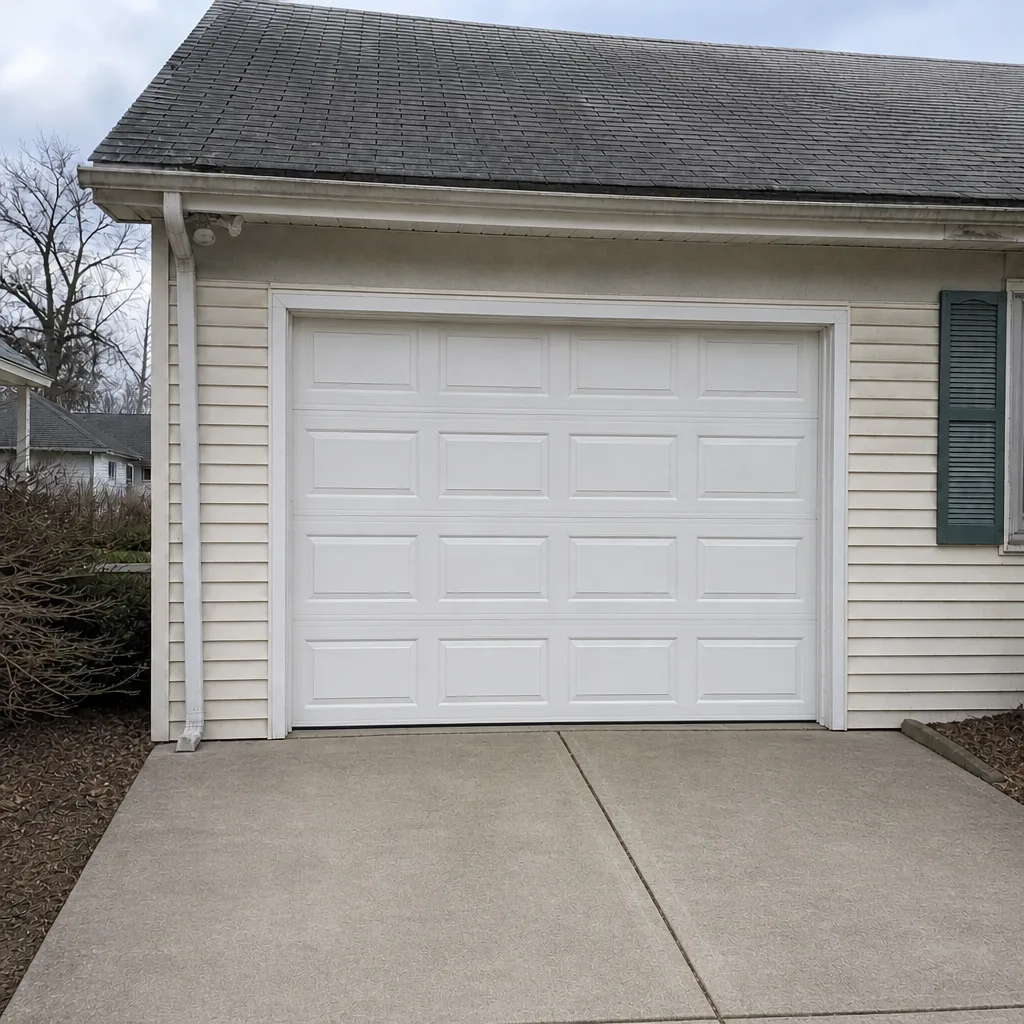
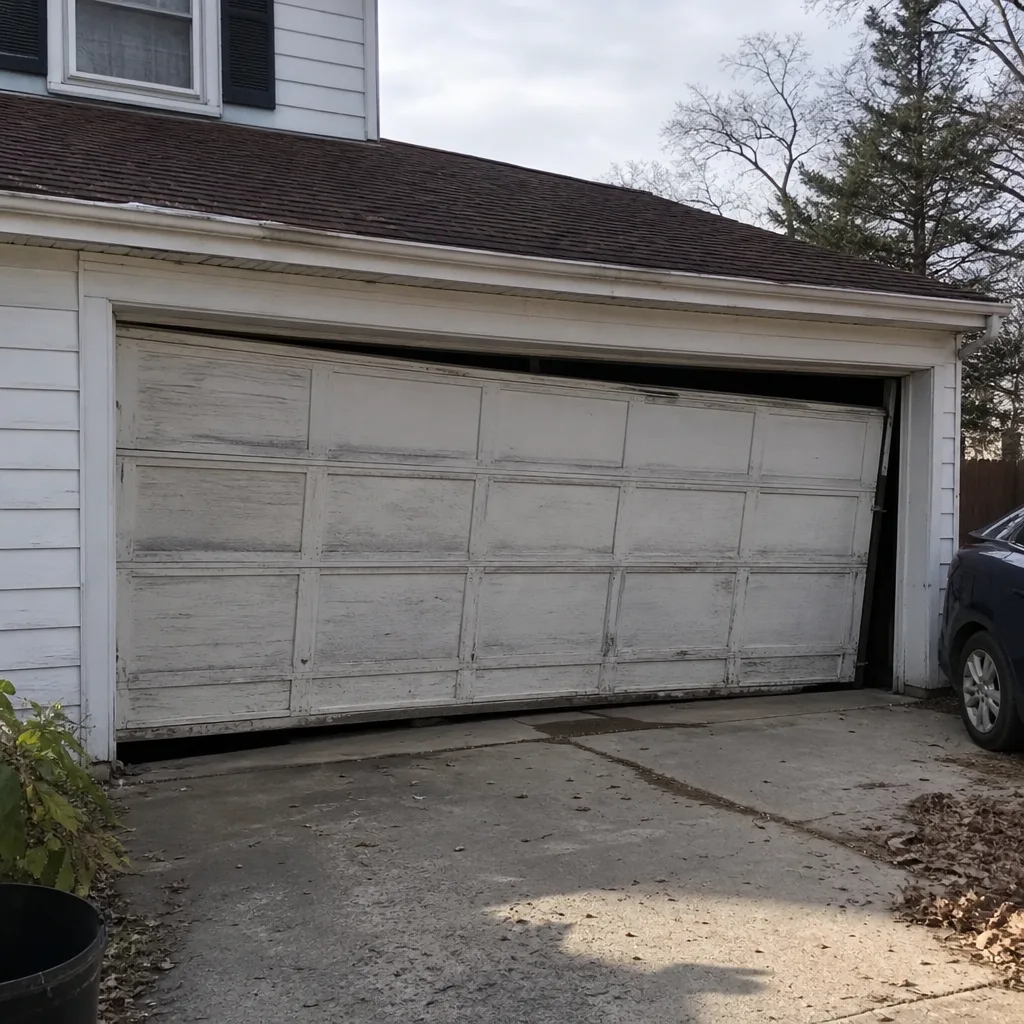
See the difference
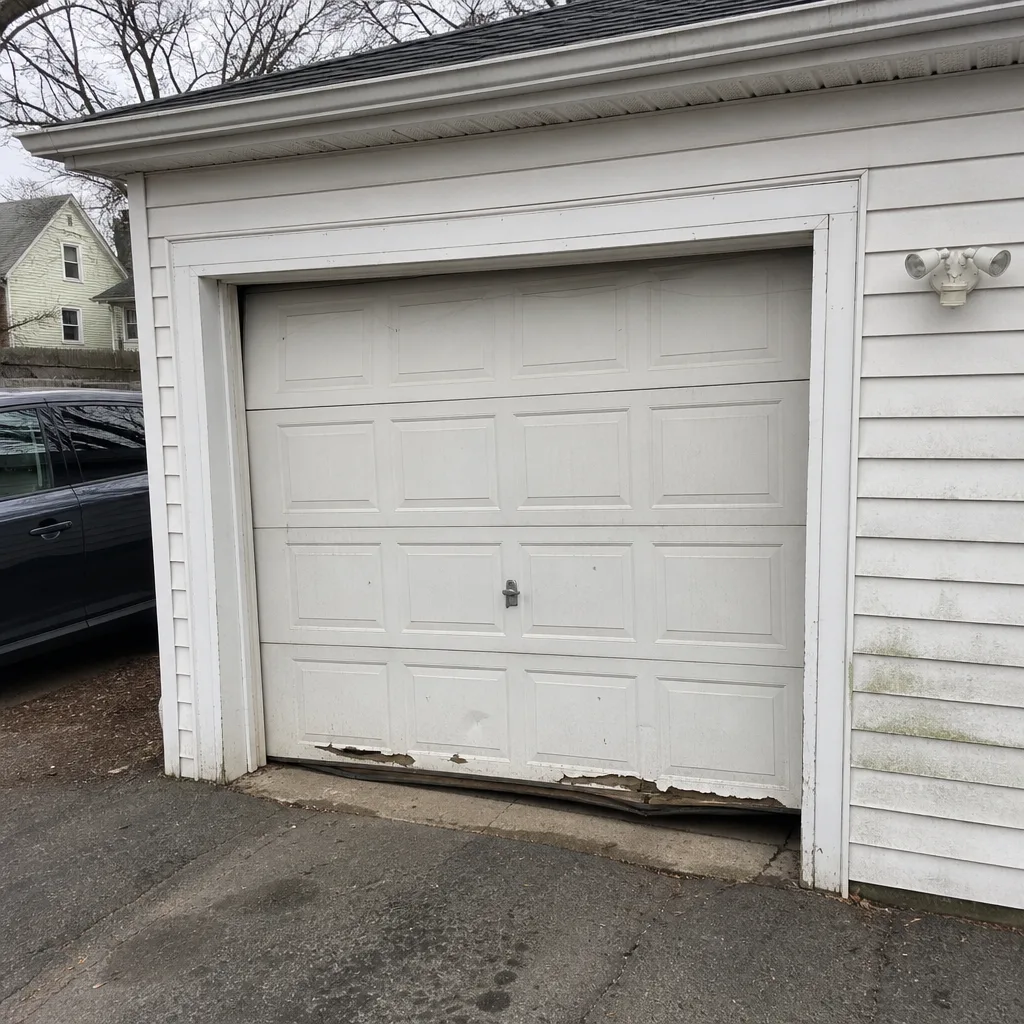 Before
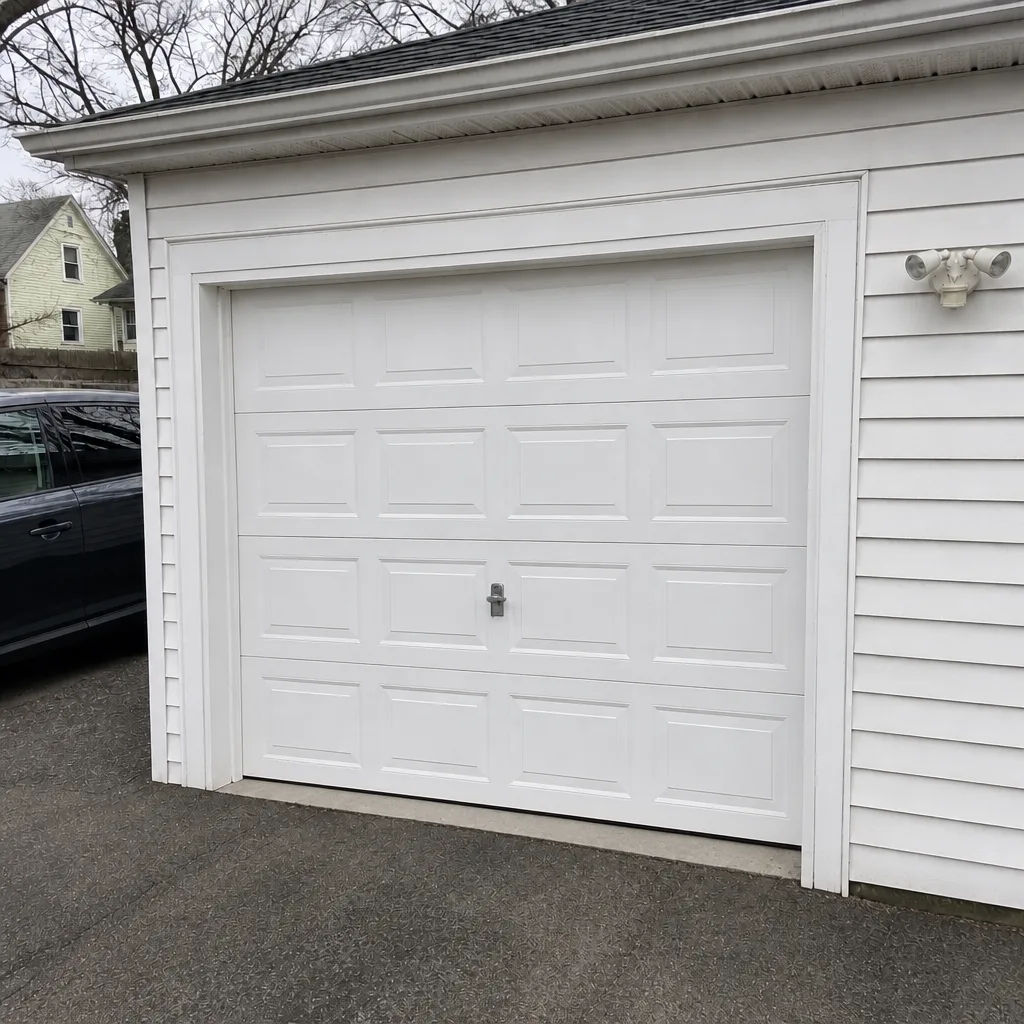 After
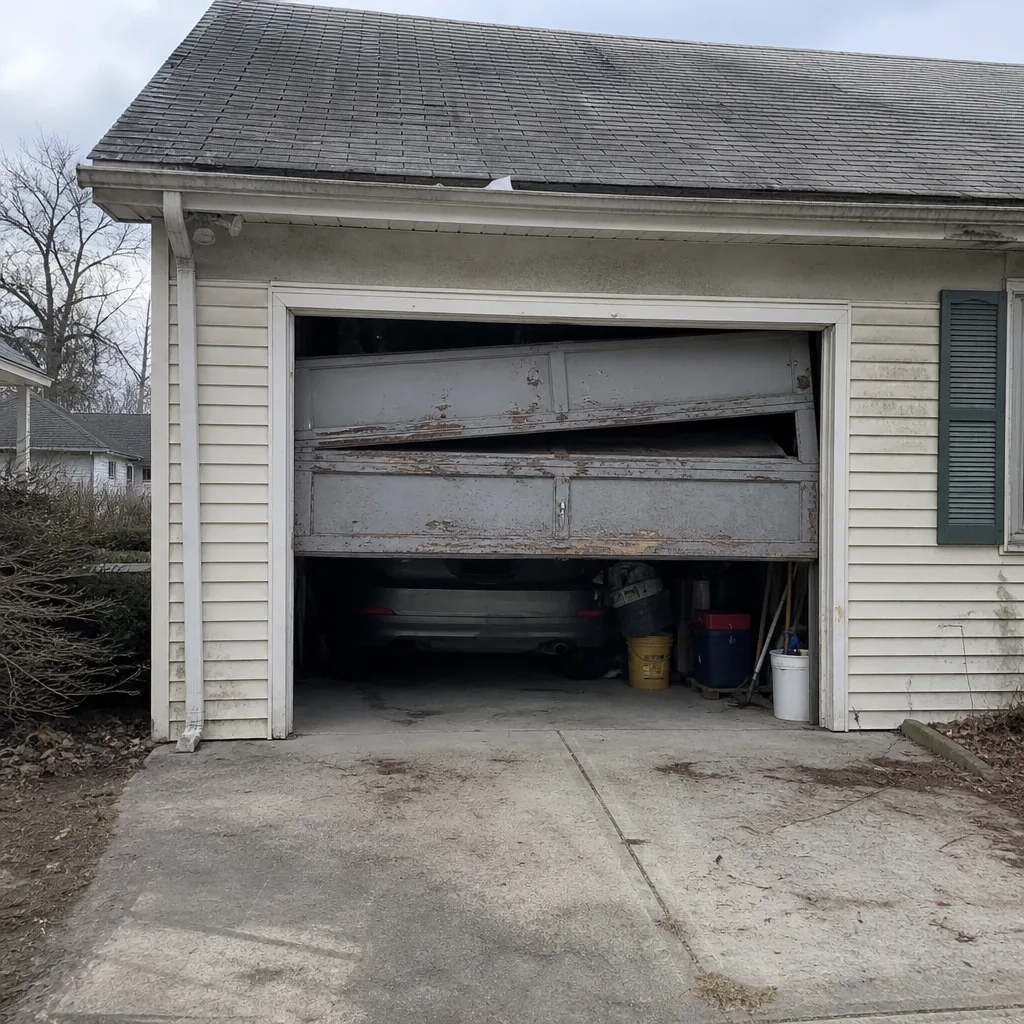 Before
 After
 Before
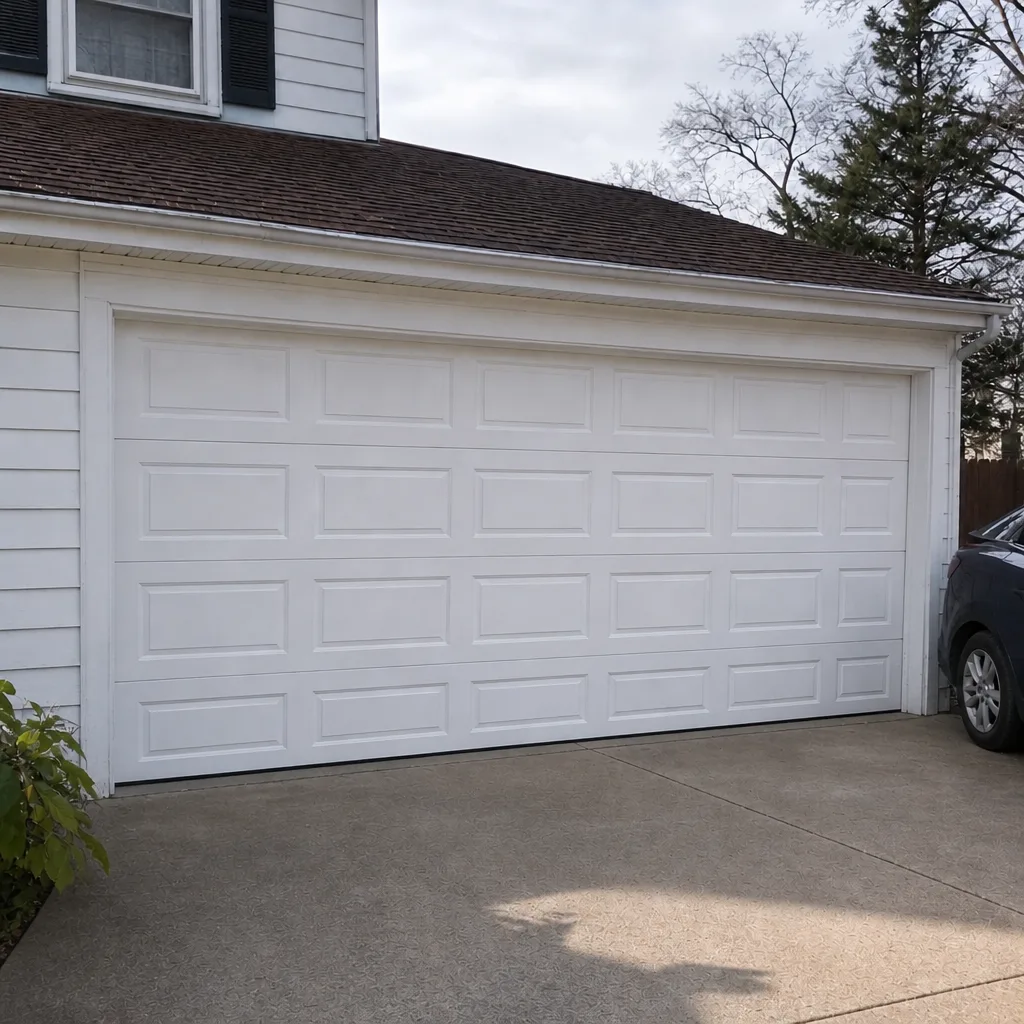 After
When to Call a Professional
Call a professional when a torsion or extension spring snaps, when the door comes off its track, when the opener runs but the door doesn’t move, when the door reverses immediately after starting to close, or when the door lifts unevenly on one side. Call when the door is stuck open and the house is exposed. Call when the opener’s logic board is dead and the door won’t respond to remotes or wall controls. Do not attempt spring work, cable work, or adjustment of torsion bar components yourself; these are among the highest-risk repairs in residential home service and require training, tools, and specific procedures to do safely. Springfield Garage Door Repair Pros offers free estimates in Springfield. Our technicians have up to 11 years of experience, and we work across the eight major garage door and opener brands, including LiftMaster, Chamberlain, Genie, and Raynor. Call (855) 952-3962.
Frequently Asked Questions
Ask for their HIC registration number and check it against the state’s Office of Consumer Affairs and Business Regulation lookup tool; the name on file should match the company you’re hiring and the registration should be current. This takes about a minute. If the contractor can’t provide the number in writing, treat that as a reason to keep looking. Call (855) 952-3962 for an exact quote on your Springfield job; estimates are free.
No. The lowest bid is often the one with the least scope included, and the missing line items (balance test, cycle-rated spring, disposal fee, workmanship warranty) are the ones that come back as repair costs later. Compare estimates line by line, not just on the total. A bid that’s a few dollars higher but includes the safety checks and post-repair verification is usually the better deal.
A dealer sells the manufacturer’s product, while an authorized installer has completed manufacturer training and can often register the installation for you, which can affect warranty coverage. Ask directly which one the contractor is, and get the answer in writing for anything warranty-sensitive. This matters most on new door installs and opener replacements, where the manufacturer’s coverage is specific about installation standards.
Most cities require a permit for structural changes to a garage or significant changes to the door opening, and some require one for opener electrical work; ask your city’s building department what applies to your specific project. A reputable contractor will know the local requirement and won’t be surprised by the question. If they are, that’s information worth having before you sign.
Ask how they’ll confirm the door is balanced after the spring replacement and what test they use. The correct answer describes the balance test (release the door halfway by hand and see if it holds) and the safety-reverse test (the door reverses on a small obstruction). If they skip either or can’t describe them, choose another contractor. Spring failure is the highest-risk failure mode on a garage door and this test sequence is non-negotiable.
Yes, if the contractor has full-spectrum capability; a specialist can typically diagnose, repair, service the opener, and quote a full replacement from one call. That matters because it avoids handoffs between vendors, which is where scope gets lost and warranty claims get messy. Ask the contractor directly whether they handle all four or whether they outsource any of them.
The Bottom Line
Hiring a garage door contractor in Springfield comes down to four steps: verify the state HIC registration, ask the five technical questions, insist on a written itemized estimate, and confirm the installer’s actual authorization for the brand you’re buying. Credentials like insurance and reviews are the floor, not the differentiator. Technical competence is what separates a contractor who will balance your door correctly from one who will leave it slightly out of spec and let it fail in a few months. If you’re in Springfield and want a quote from a specialist who can answer all five questions before you sign, call (855) 952-3962. Our estimates are free, the price is quoted and agreed before any work starts, and we work on the major door and opener brands including LiftMaster, Chamberlain, Genie, and Raynor. For a closer look at how our trade handles repairs specifically, see garage door repair.
Written by the team at Springfield Garage Door Repair Pros.