Last updated November 21, 2026
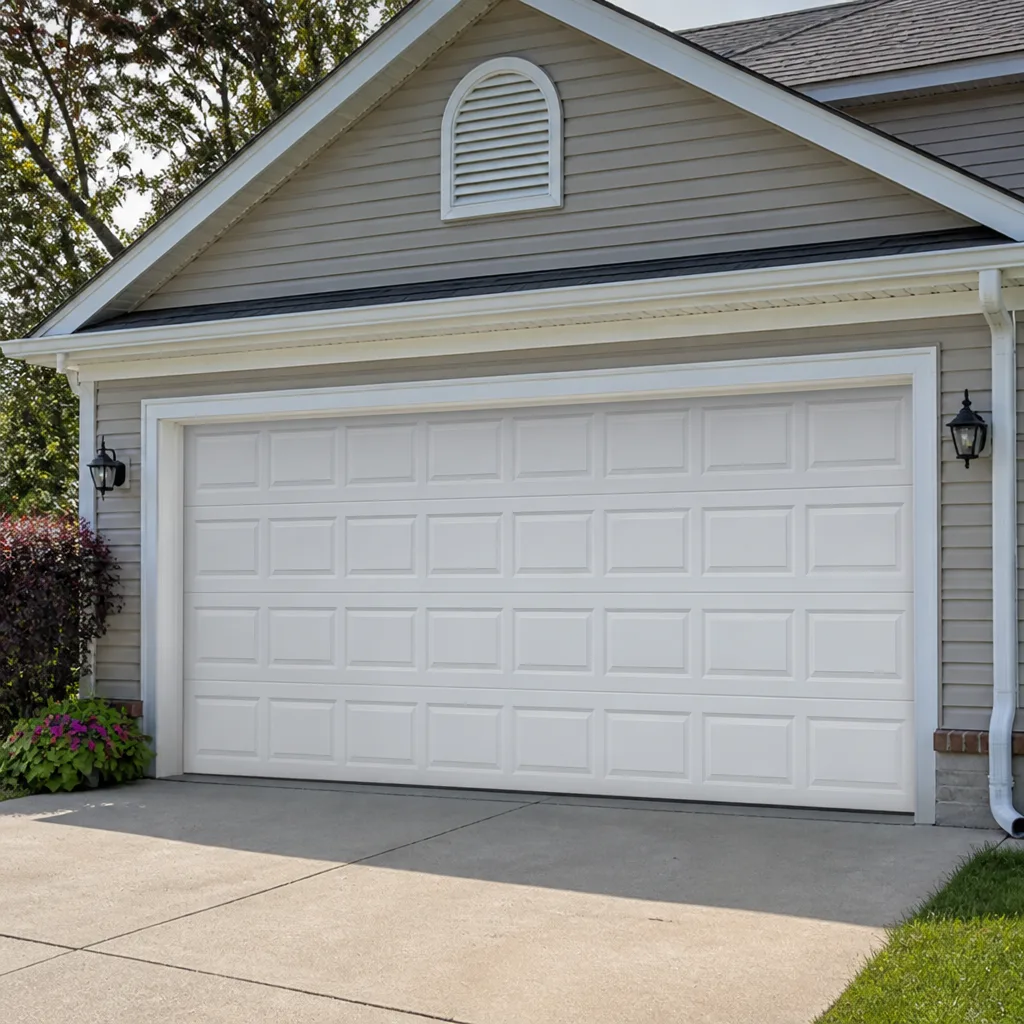 Raised-panel steel
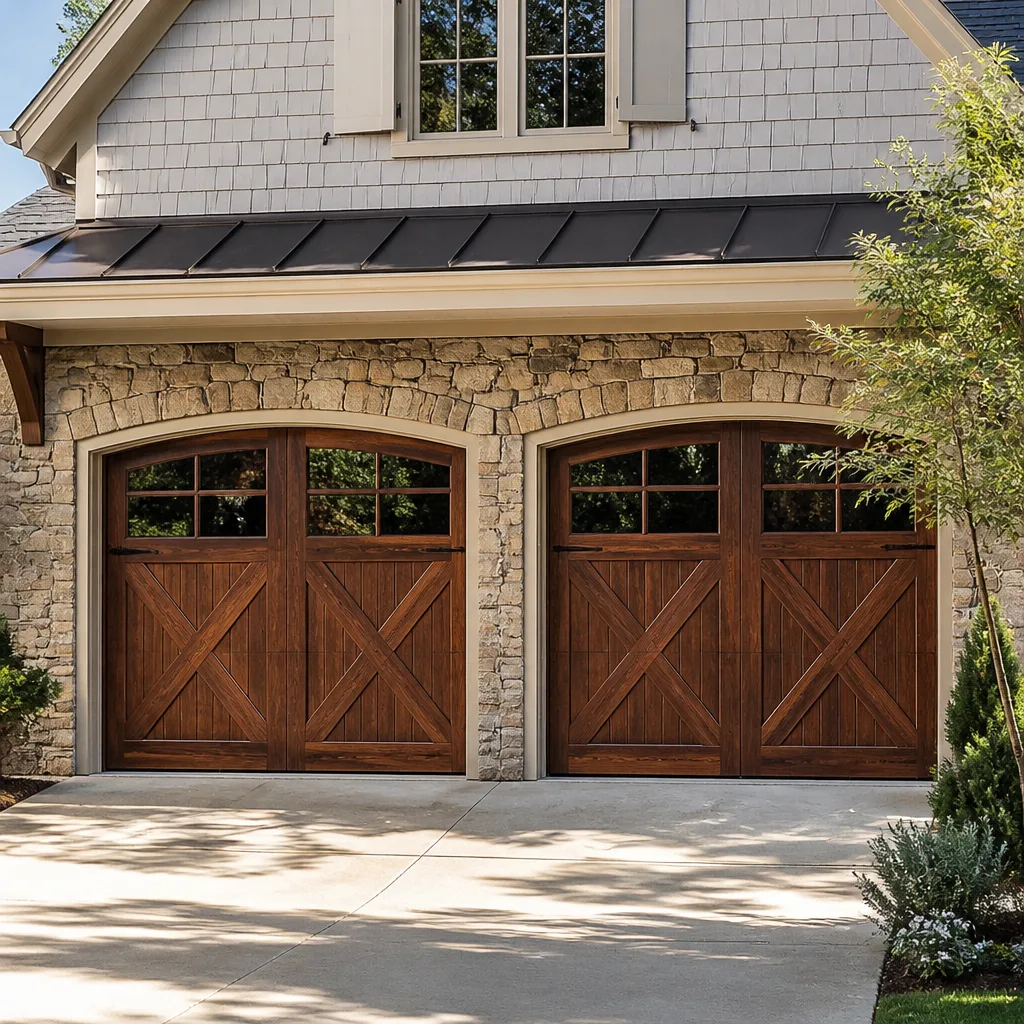 Carriage house
 Modern flush
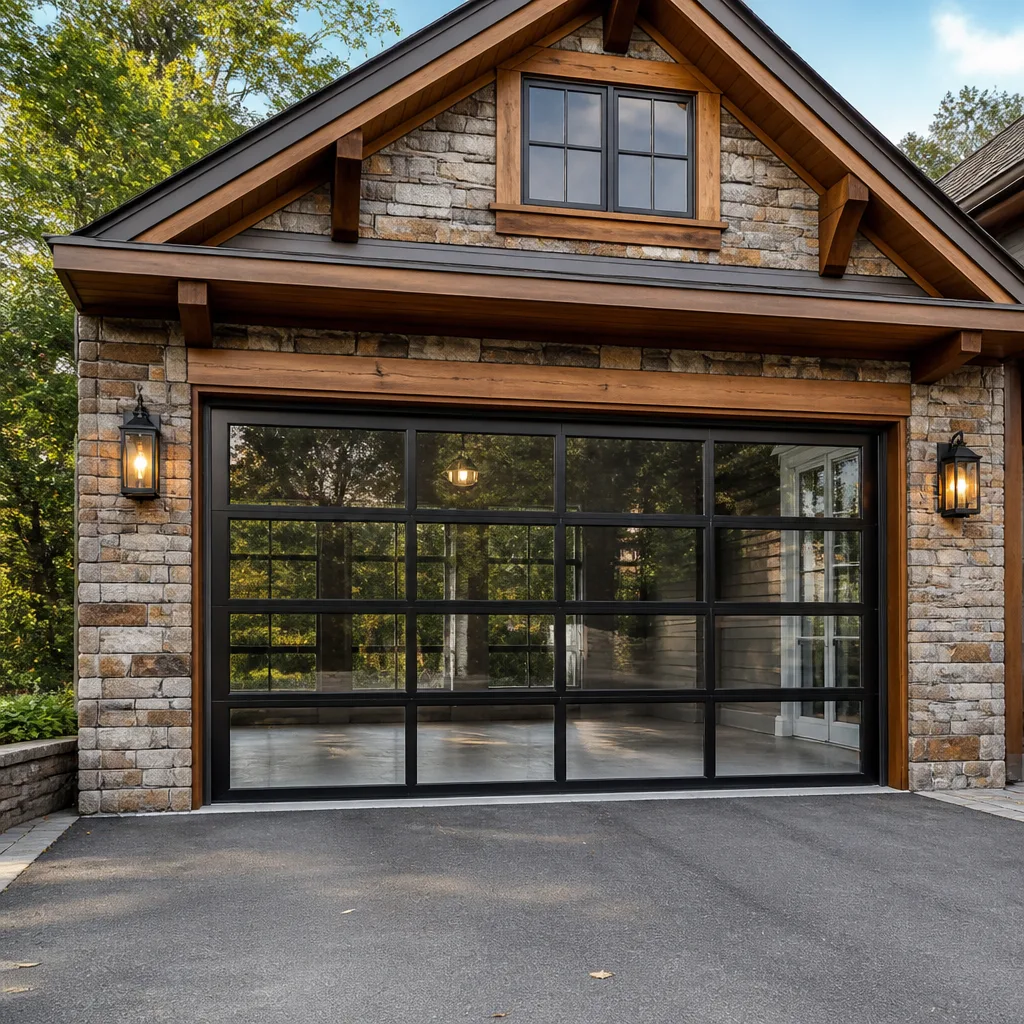 Full-view glass
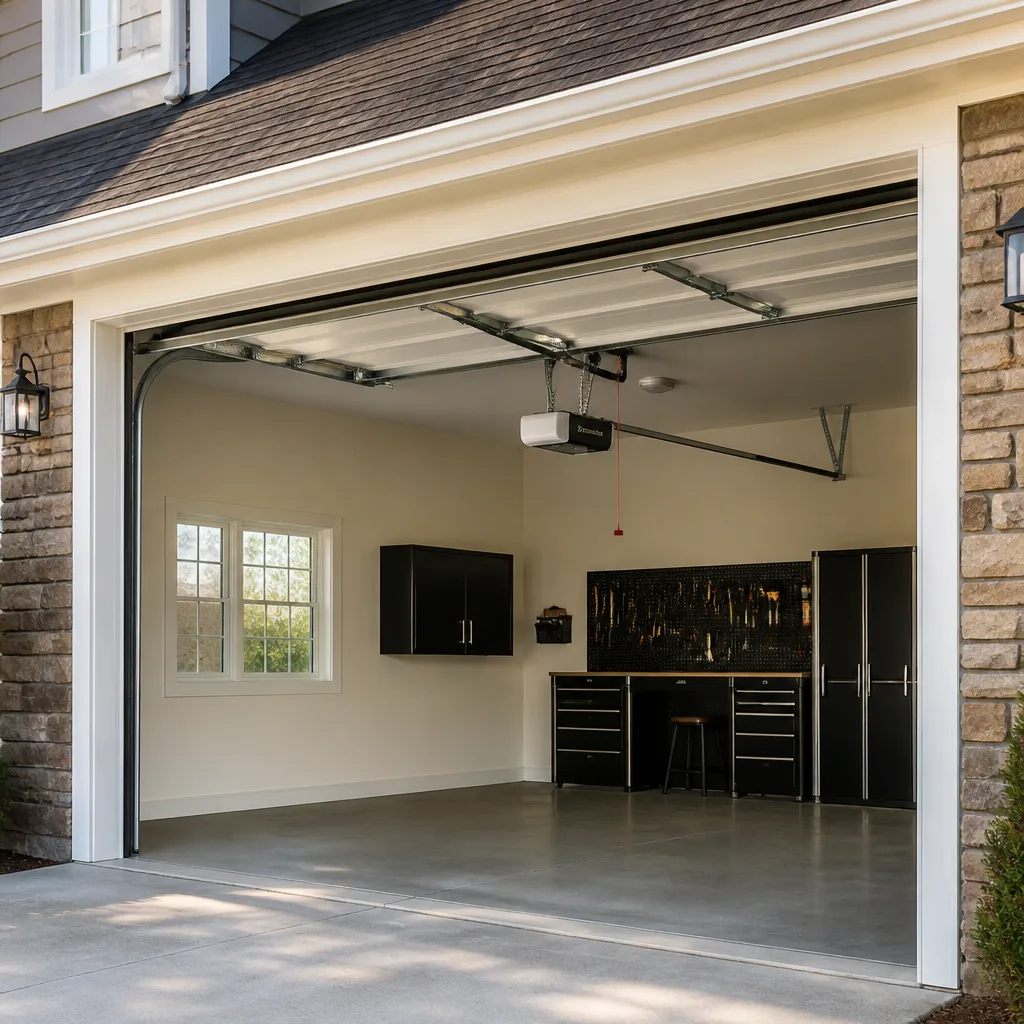 LiftMaster openers
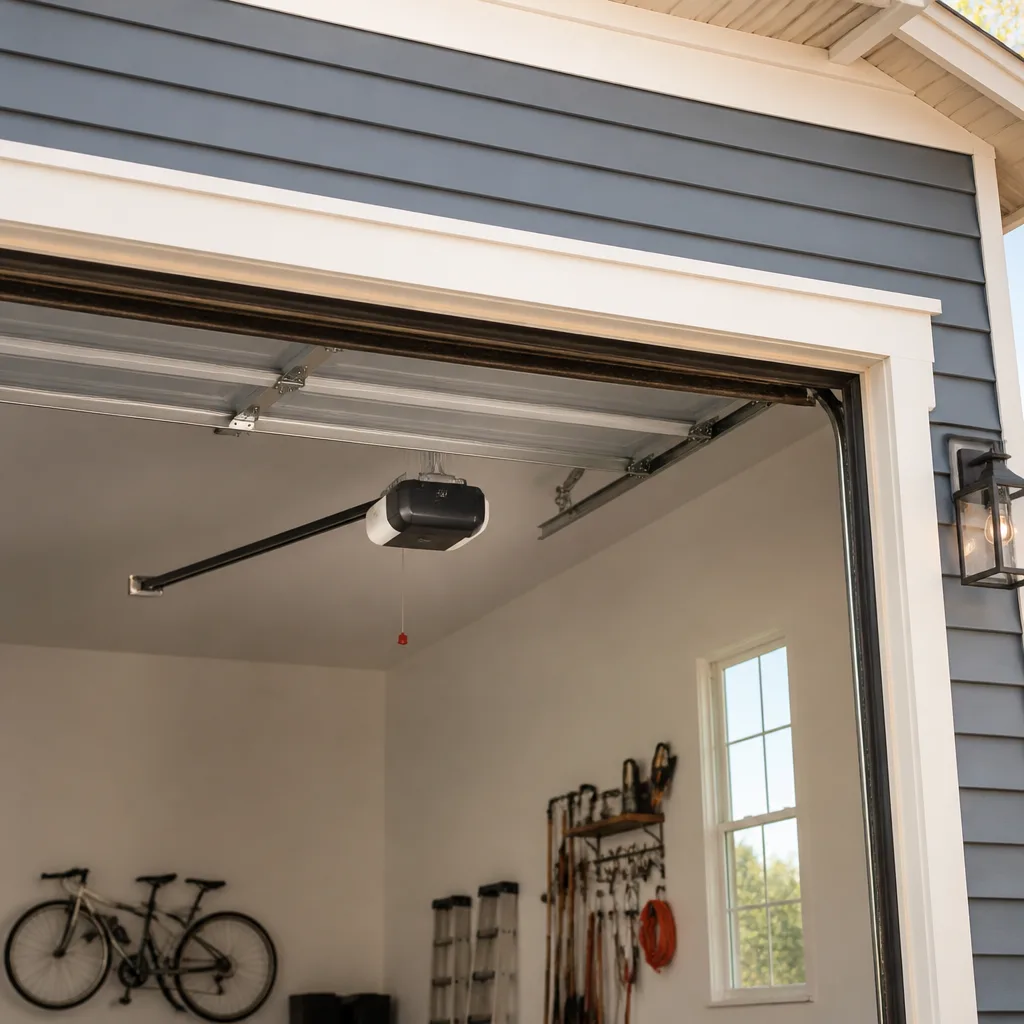 Chamberlain openers
Full 25-point door and opener safety check with every visit - springs, cables, rollers, tracks, and your LiftMaster or Chamberlain opener included
You get a price before we start. It does not change when the pro arrives.
Get your free estimateGarage Door Repair Maintenance Checklist for Springfield Homeowners
The call that tops our board every March in Springfield isn’t a snapped spring. It’s a door that sealed fine in October and now leaves a strip of daylight along the floor. That gap almost always traces back to one skipped fall task: the bottom seal was never checked before the ground froze. A checklist is only as good as the order you do it in, and most online checklists are written for a garage in a mild climate with no frost line to worry about. This guide is the one we’d hand a Springfield homeowner directly. It ranks failures by how often they show up on doors around here, tells you which steps actually matter and when to do them across the year, and flags the jobs where a mistake costs far more than the call would have.
Quick Answer
A working garage door maintenance checklist for Springfield covers four things and repeats them across the year: lubrication on the right moving parts with a cold-rated lubricant, a safe visual and balance check of the springs and cables, weatherstripping and bottom-seal checks timed to the frost dates, and a monthly safety-reverse test. Do the load-bearing inspections by eye only and leave spring, cable, and torsion work to a trained technician. Most of what fails on a Springfield door fails because a small, cheap check got postponed, not because the door was worn out.
Styles & brands we work with
- Raised-panel steel
- Carriage house
- Modern flush
- Full-view glass
- LiftMaster openers
- Chamberlain openers
Table of Contents
- How Springfield Doors Actually Fail, Ranked
- Lubrication: The Right Parts and the Right Cold-Weather Products
- Springs, Cables, and the Cable Drum Check
- Bottom Seals and Frost: The Number-One Seasonal Failure
- A Month-by-Month Calendar for Springfield’s Climate
- Maintenance That Void Warranty on LiftMaster, Chamberlain, and Clopay Systems
- The Safety Tests to Run Every Month
- Common Mistakes to Avoid
How Springfield Doors Actually Fail, Ranked
If you want to get ahead of garage door problems in Springfield, it helps to know which ones show up most often. The order below reflects how frequently we see each failure on local doors, from most common to least. It’s the same triage order our technicians use when they walk up to a door.
- Bottom seal and weatherstripping failure. The most common by a wide margin, and the most seasonal. Freeze-thaw cycles and a long damp spring wear the bottom seal faster here than in drier climates. A failed seal lets in cold, moisture, and pests, and it can throw off the door’s close.
- Opener logic and safety-sensor faults. A door that reverses on its own, or that won’t close and blinks its light, is usually a sensor or a limit-setting issue, not a dead motor. This is where garage door opener repair starts with diagnostics rather than parts.
- Dried-out rollers, hinges, and tracks. Neglect here is quiet for months and then shows up as a loud, jerky door that strains the opener.
- Torsion spring fatigue. Springs are rated in cycles, not years, and every open-and-close spends some. A tired spring makes a heavy door; a broken one makes an unusable door. See garage door spring repair for what that involves.
- Cable and drum wear. Less common, more serious. A frayed cable is a safety issue, not a maintenance item to defer.
Notice what’s not near the top: the dramatic broken spring. It’s the call that feels urgent, but it’s the sealed-up bottom and the ignored roller that quietly cost homeowners the most over a year. If a repair is already needed, garage door repair is where a diagnosis begins.
Lubrication: The Right Parts and the Right Cold-Weather Products
Lubrication is the single most skipped task on a Springfield door, and it’s also the one where the wrong product does real harm. The goal is to keep metal-on-metal moving parts quiet and free without attracting grit or turning to gum in the cold. Get the product and the target parts right and this takes ten minutes.
Parts to lubricate
- Rollers (the bearing, not the whole wheel) and the roller stems
- Hinges at each pivot point
- The torsion spring coils, lightly, never the cables
- Lock and latch mechanisms on manual doors
- The opener’s rail or chain, using only what its manufacturer recommends
Parts to leave alone
- Nylon rollers, which don’t need lubrication and can be harmed by it
- Safety sensors and photo-eye lenses, which only need a clean, dry cloth
- The safety reverse edge and any rubber contact points
- Tracks, which should be clean and dry, not greasy
The cold-weather product question
This is where most homeowners go wrong in Springfield. A general-purpose spray or a heavy grease works fine in July and turns stiff or tacky by January, which drags on the opener and can make the door sluggish. For a door here, use a purpose-made garage door lubricant or a white lithium or silicone-based spray rated for cold conditions. Avoid standard WD-40 as a long-term lubricant (it’s a solvent and water displacer, not a lasting lube) and avoid thick bearing grease on exposed moving parts. A cold-rated product stays fluid through a Springfield winter, so the door moves freely when you need it most.
Springs, Cables, and the Cable Drum Check
Springs and cables are the parts we tell every homeowner to respect. A torsion spring stores an enormous amount of energy, and a cable under tension can do serious injury if it slips. You can and should check their condition by eye and by feel, without tools. You should never adjust, remove, or wind them yourself. That’s a job for a trained professional, and it’s why we treat spring work as its own specialty rather than a general repair.
How to check spring tension safely, without tools
Disconnect the opener first (pull the release handle) so the door is on manual. Lift the door about halfway and let go gently. A properly balanced door should stay roughly where you left it, maybe drift a little. A door that slams down, or that you can barely lift, has a spring problem. Do this with your hands clear of the hinges and never with the door fully closed or fully open.
What the result means for remaining spring life
- Stays put, easy to lift halfway: springs are healthy.
- Drifts down slowly, needs a firm push: springs are tiring and worth a professional look.
- Barely lifts, or crashes down: a spring is failing or broken. Stop using the door and book service.
- A visible gap in a torsion spring coil: it’s broken. Don’t run the opener on it.
The cable drum check no checklist includes
Cables run from the bottom corners up to a drum at the top of each side. On every visit, the first thing a technician checks is whether a cable has jumped its drum, is winding unevenly, or is frayed. A cable off its drum can let the door drop or jam sideways in the track. Look up at the drums with the door closed and check that the cable sits in the groove and isn’t crossed or slack. If anything looks off, or you see frayed strands, leave the door down and call. This is one of the checks that separates a real inspection from a decorative one.
Bottom Seals and Frost: The Number-One Seasonal Failure
The bottom seal is the vinyl or rubber strip along the base of the door, and in Springfield it takes a beating. Frost heaves the driveway slab, the freeze-thaw cycle works the seal loose, and a wet spring finishes the job. When it fails, you get a gap that lets in cold air, water, and small pests, and the door may no longer sit flush enough to trigger the safety sensors cleanly.
The fix is usually simple: a replacement bottom seal, correctly sized for your door. The trick is timing it to the ground, not the calendar’s ideal. Late fall, before the first hard freeze, is the best window to check and replace it so the new seal can seat while the ground is still workable. In spring, once the frost is out, check again for anything the winter pushed loose. New bottom seals are an easy job and a cheap way to protect the door’s close.
Weatherstripping around the frame
- Check the side and top stops for cracking or gaps.
- Look for daylight at the corners with the door closed.
- Replace brittle weatherstripping before winter seals a gap in.
- Keep the threshold clear of packed snow and ice so the door closes fully.
New doors and full replacement of a worn door is a bigger decision, and garage door installation covers what that involves when the seal is the least of a door’s problems.
A Month-by-Month Calendar for Springfield’s Climate
Maintenance timing matters as much as the tasks. A door is easiest to fix before the weather turns, not after it fails. This calendar is built around Springfield’s frost dates and its damp spring and summer, and it’s the rhythm we’d suggest for any local door.
Spring (after the last frost clears)
- Inspect and reseat the bottom seal after the thaw.
- Clean and test the safety sensors, which collect grit and moisture.
- Lubricate rollers, hinges, and the spring coils with a cold-rated product.
- Run the balance test to see how the springs wintered.
Summer (the damp stretch)
- Check weatherstripping for swelling and gaps.
- Wipe down tracks and keep them dry and clear of debris.
- Test the safety reverse monthly; it’s the test that protects people and pets.
Fall (before the first hard freeze)
- Replace a worn bottom seal while the ground is workable.
- Lubricate again with the cold-weather product in mind.
- Look up at the cable drums and the spring for wear.
- Tighten loose hinges and listen for new noises.
Winter (the freeze)
- Keep the threshold clear of ice so the door can close.
- Watch for a sluggish door, a sign the lubricant or the springs are struggling.
- Avoid forcing a frozen door; that’s how cables jump and springs strain.
Brand-specific quirks matter across this calendar too. LiftMaster and Chamberlain openers have their own safety-sensor LEDs and travel-limit checks, and a Clopay door’s seal and hardware fit differently than an Amarr or Wayne Dalton door. Knowing the brand tells you which checks to run and which parts to get.
Maintenance That Void Warranty on LiftMaster, Chamberlain, and Clopay Systems
Warranty coverage on garage door equipment is more conditional than homeowners expect, and the wrong maintenance move can cost you a covered repair. The brands we work on most in Springfield – LiftMaster, Chamberlain, Genie, Clopay, Amarr, Wayne Dalton, Craftsman, and Raynor – share some common ground here. Here’s what typically puts a claim at risk.
- Lubricating the wrong parts. Greasing nylon rollers or the tracks, or using an off-spec product, can be argued as misuse. Keep to the manufacturer’s list and the cold-rated spray.
- DIY spring or cable work. Owners who wind a spring themselves, or let an untrained hand do it, can void the coverage on the spring and the parts around it. Spring repair done safely is a specialist’s job for a reason.
- Ignoring the opener’s own diagnostics. A blinking fault code on a LiftMaster or Chamberlain unit is the system telling you something. Clearing it without addressing the cause can be treated as neglect.
- Letting a door run out of balance. A door straining against a tired spring can wear the opener past its designed limits; that wear can fall outside warranty.
- Modifying non-load-bearing hardware carelessly. Swapping hinges or rollers for mismatched parts can put a door out of spec.
The safe rule: do the light tasks (lubrication, seals, sensor cleaning, a visual spring and cable check) and leave the loaded parts and the opener’s internals to a technician. When a warranty is in play, ask before a repair and we’ll tell you what the coverage likely needs to see. If a door or opener is beyond saving, garage door installation is the path forward, and we handle the full job without handing you off.
The Safety Tests to Run Every Month
Two minutes a month protects the people and pets who share your garage, and it’s the test most homeowners skip. The reverse test and the balance test catch most of what goes wrong before it becomes a repair.
- Clear the door’s path and make sure nothing is under it.
- Lay a small object (a roll of paper towels works) flat under the door in its path.
- Close the door. It should stop and reverse when it meets the object. If it presses down, the safety reverse needs attention.
- Test the photo-eye sensors by waving an object in front of them while the door closes; the door should stop.
- Run the balance test described in the spring section with the opener disconnected.
- Listen and look for new noises, a jerky travel, or a door that doesn’t sit level at the bottom.
If the door fails any of these, that’s the moment to call. A door that won’t reverse or won’t close squarely is a safety fault, not something to run until the weekend. At Springfield Garage Door Repair Pros we diagnose the cause rather than guess at a part, and emergency service is a real offering for the doors that fail at the worst time.
Common Mistakes to Avoid
- Using the wrong lubricant for a Springfield winter. A warm-weather spray turns to gum in the cold and drags on the opener. Keep a cold-rated product and use it before the freeze, not after.
- Lubricating everything in sight. Greasing nylon rollers or the tracks attracts grit and can accelerate wear. Stick to the moving metal parts.
- Treating a spring problem as a DIY job. A torsion spring stores dangerous energy; the balance test is safe, but the wind is not. That’s a trained professional’s work.
- Ignoring the bottom seal until it leaks. This is the most common failure on Springfield doors because it’s the cheapest to fix and the easiest to put off. Replace it before the ground freezes.
- Clearing a blinking fault code without diagnosing it. On a LiftMaster or Chamberlain opener, the code is the door telling you what’s wrong. Address the cause.
- Forcing a frozen door with the opener. That’s how cables jump the drum and springs strain. Clear the ice first.
- Assuming a general handyman covers your brand. A Clopay or Amarr door has specific hardware and seals; the right parts and knowledge keep the door in spec and the warranty intact.
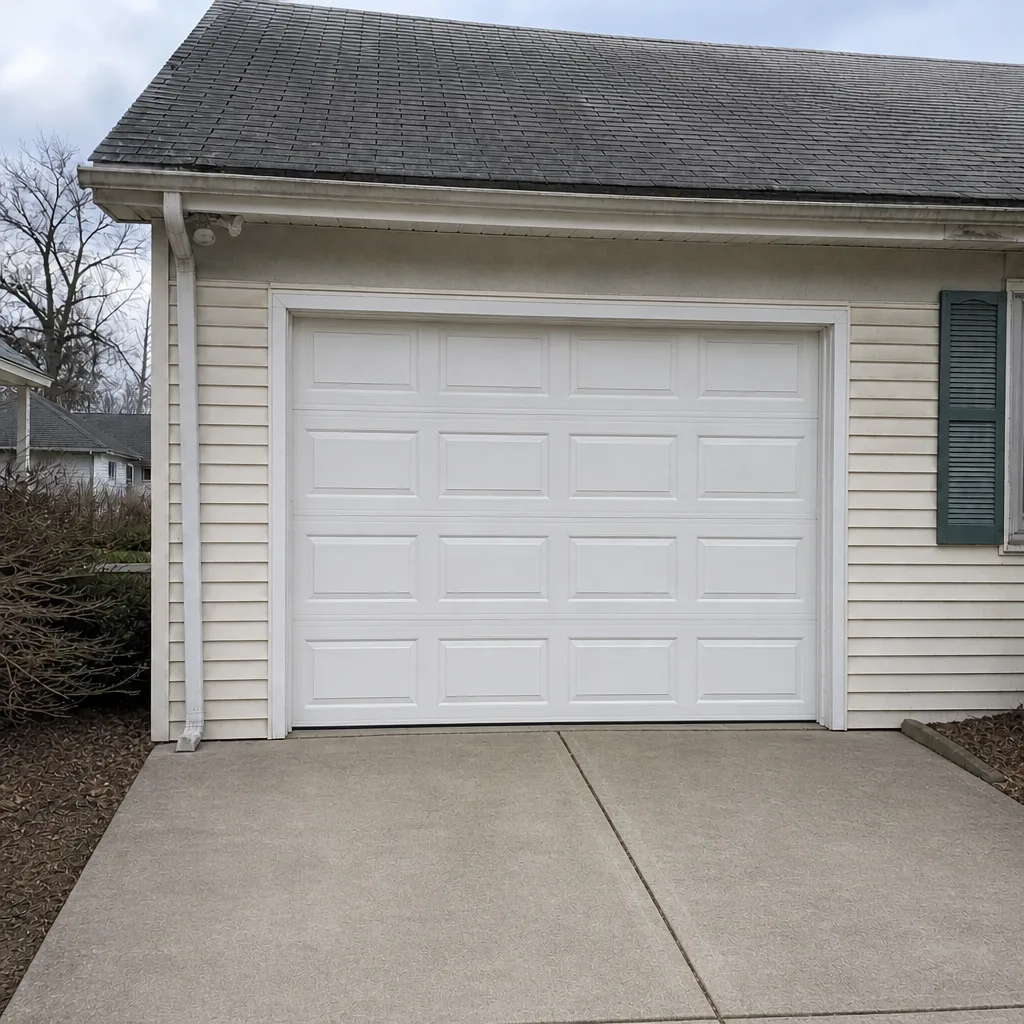
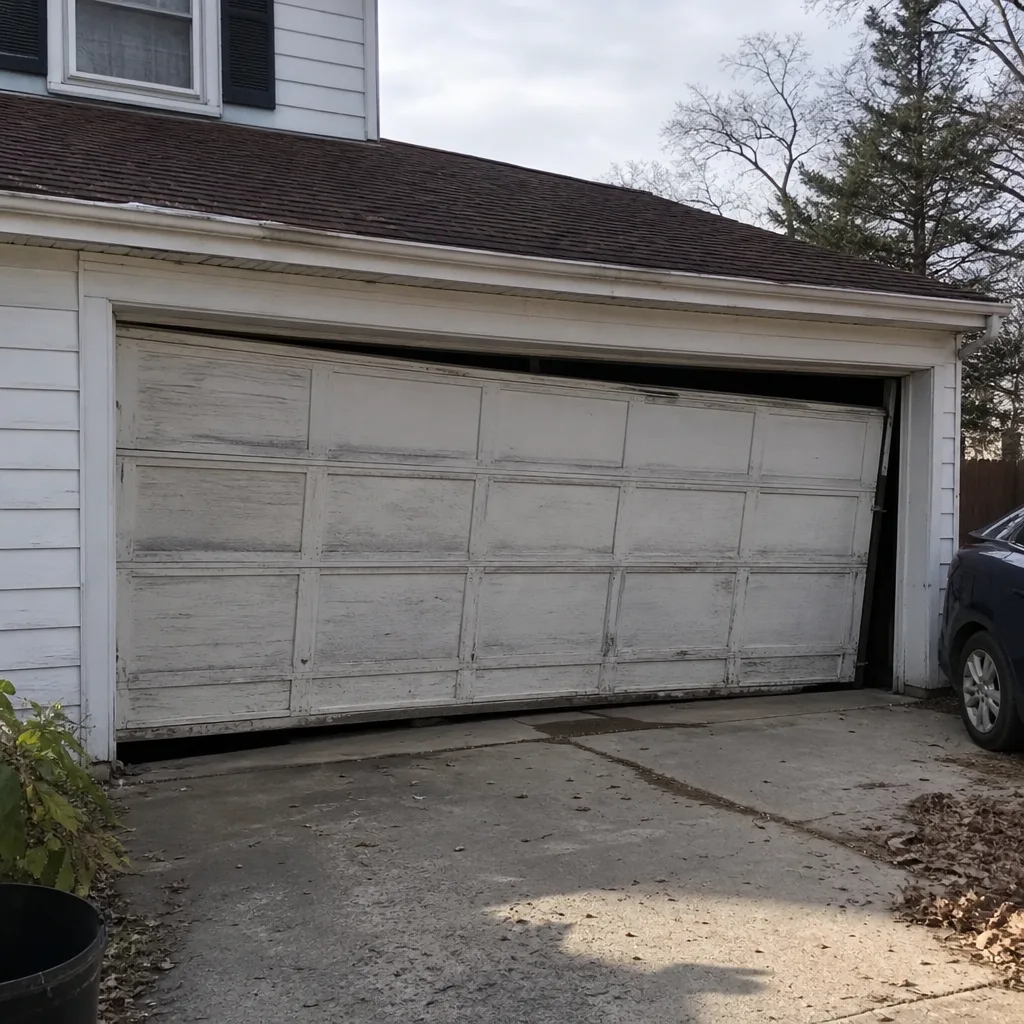
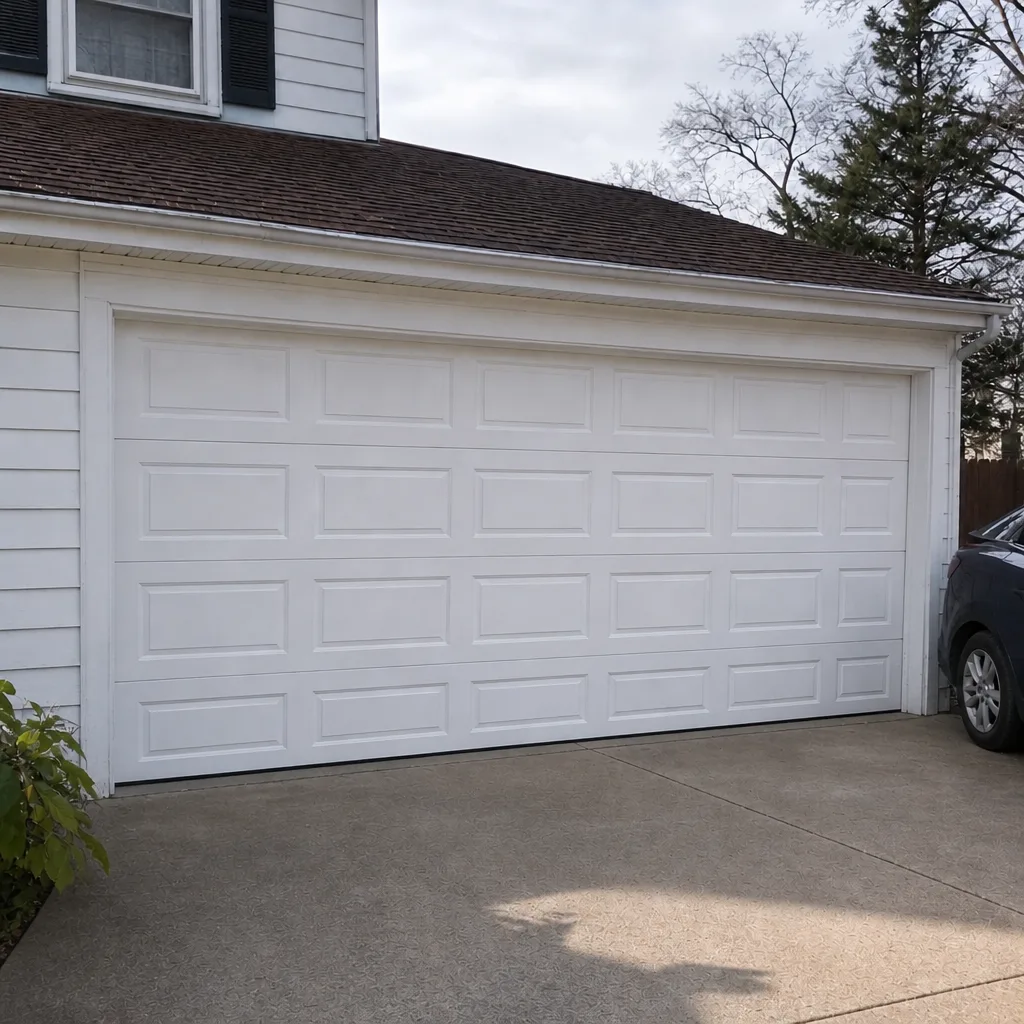
See the difference
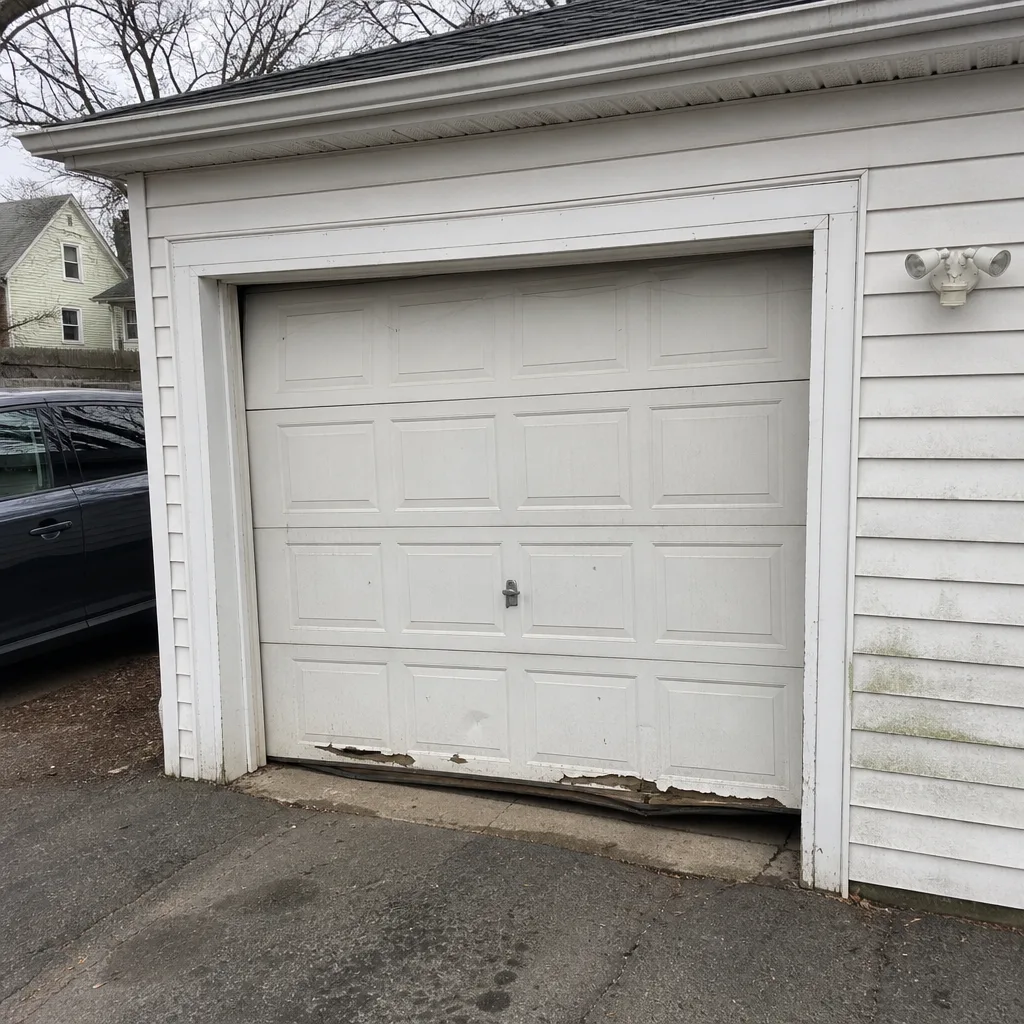 Before
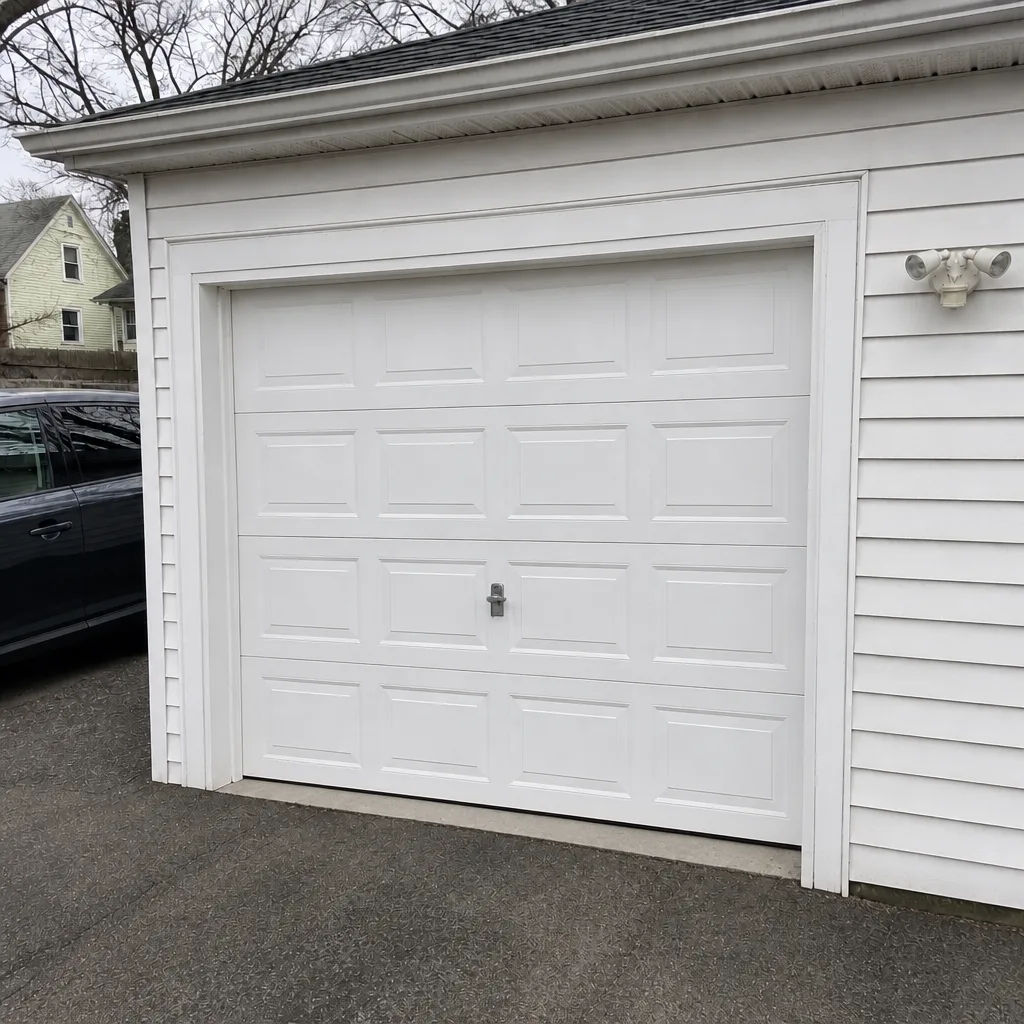 After
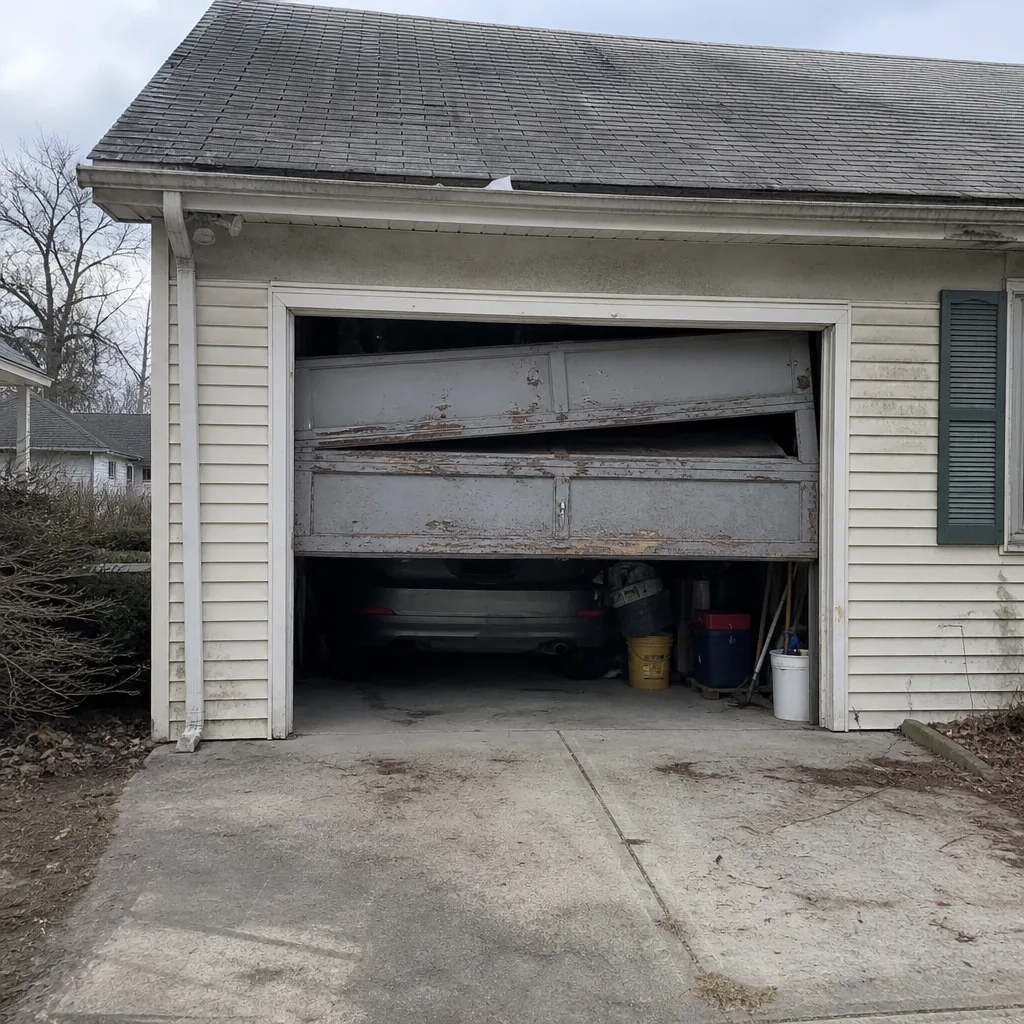 Before
 After
 Before
 After
When to Call a Professional
Some of this checklist is yours to run. Some of it needs a trained technician, and knowing the line protects both your door and your safety. Call us when a spring is broken or the door won’t stay up, when a cable looks frayed or has jumped its drum, when the safety reverse fails, or when the opener won’t close the door and clears nothing with a simple sensor clean. Call when a door slams down, sits crooked in the track, or makes a new grinding or snapping sound. And call when you’re not sure – a diagnosis beats a guess. Our technicians have up to 11 years of experience across the full range of door and opener systems, and we handle repair, opener diagnostics, spring replacement, and new installation as one job, not a referral. Springfield Garage Door Repair Pros offers free estimates in Springfield – call (855) 952-3962. We’ll quote the price and agree it with you before any work starts, so the estimate you approve is the price you pay.
Frequently Asked Questions
Twice a year is the working rhythm here: once in spring after the thaw and once in fall before the first hard freeze. Use a cold-rated garage door lubricant on rollers, hinges, and spring coils. A product that stays fluid through a Springfield winter keeps the door moving freely when the temperature drops.
Yes, you can check them safely by hand, and you should. Disconnect the opener, lift the door halfway, and let go gently; a balanced door stays roughly put while a failing one slams or won’t lift. That test tells you about spring health, but it does not mean you should adjust or replace the spring yourself. Leave that to a trained technician.
A gap at the bottom is usually a worn bottom seal, or a door that’s been knocked slightly out of alignment by frost and freeze-thaw. Check the seal for cracks and the threshold for packed ice. If the seal is intact and the door still won’t sit flush, call for a look – it may be a track, roller, or sensor issue.
Often it can. Spring or cable work done by an untrained hand, off-spec lubrication, or clearing an opener’s fault code without fixing the cause are all things a warranty can treat as misuse. Keep the light maintenance tasks yourself and have a technician handle springs, cables, and opener internals.
Check the safety sensors and the door’s path first. A door that reverses right away or lights up without moving is usually a sensor fault or an obstruction, not a dead motor. Clean the lenses and clear the track; if it still won’t close, it’s time for garage door opener repair.
Yes. Emergency garage door service is a dedicated offering for doors that fail and leave you locked out or exposed. If a door won’t close at night or a spring lets go, call (855) 952-3962 and we’ll book the soonest available visit – estimates are free.
The Bottom Line
The checklist that protects a Springfield door is small and seasonal, not long and dramatic. Keep the bottom seal ahead of the frost, lubricate the right parts with a cold-rated product, run the monthly reverse and balance tests, and look at the cable drums and springs by eye – never by hand. Rank the failures by how often they actually happen on local doors and the priorities sort themselves: seals first, sensors and rollers next, springs and cables with a professional’s eye. Our technicians have up to 11 years of experience across LiftMaster, Chamberlain, Genie, Clopay, Amarr, Wayne Dalton, Craftsman, and Raynor systems, so you’re never routed to a generalist for a brand-name door.
Call (855) 952-3962 for a free estimate. We’ll quote it, agree it with you before any work begins, and finish the job – repair, opener diagnostics, spring work, or a full new door – in one place.
Written by the team at Springfield Garage Door Repair Pros.