Last updated November 21, 2026
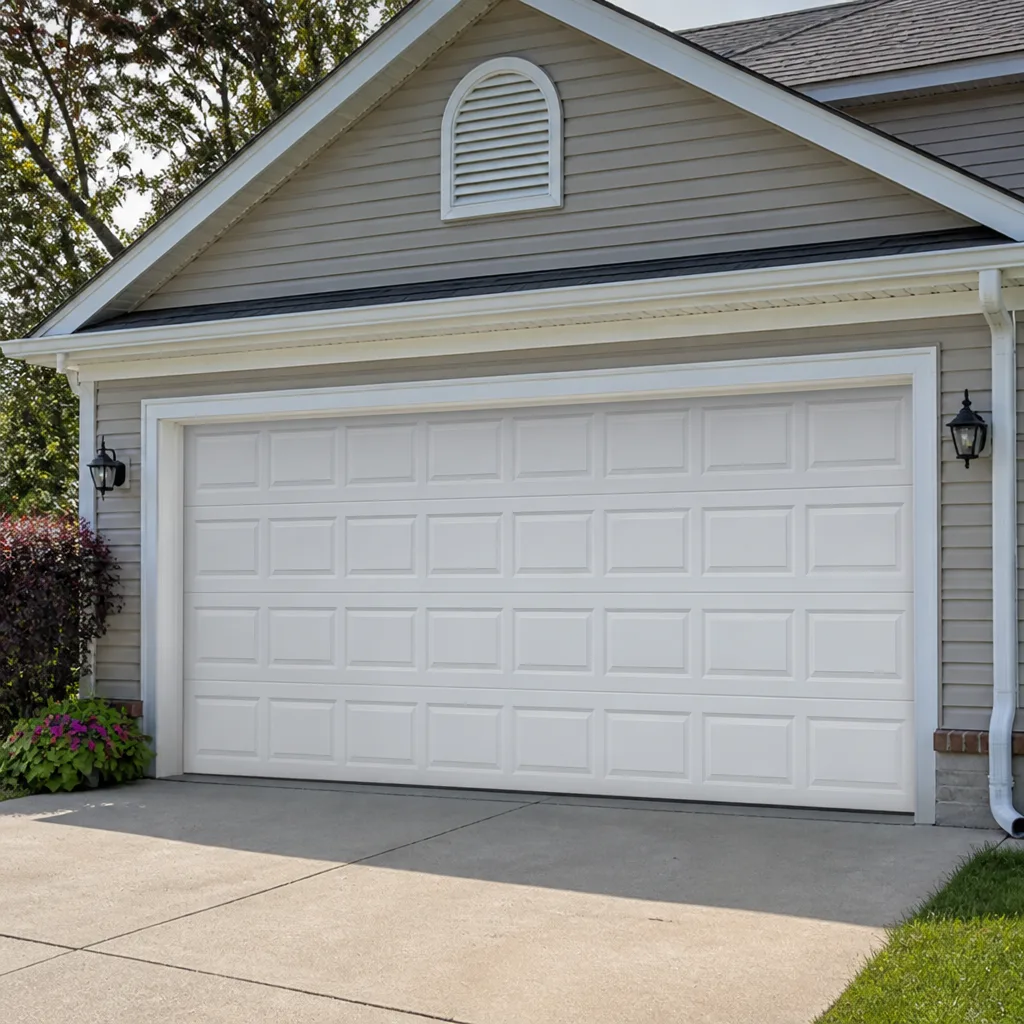 Raised-panel steel
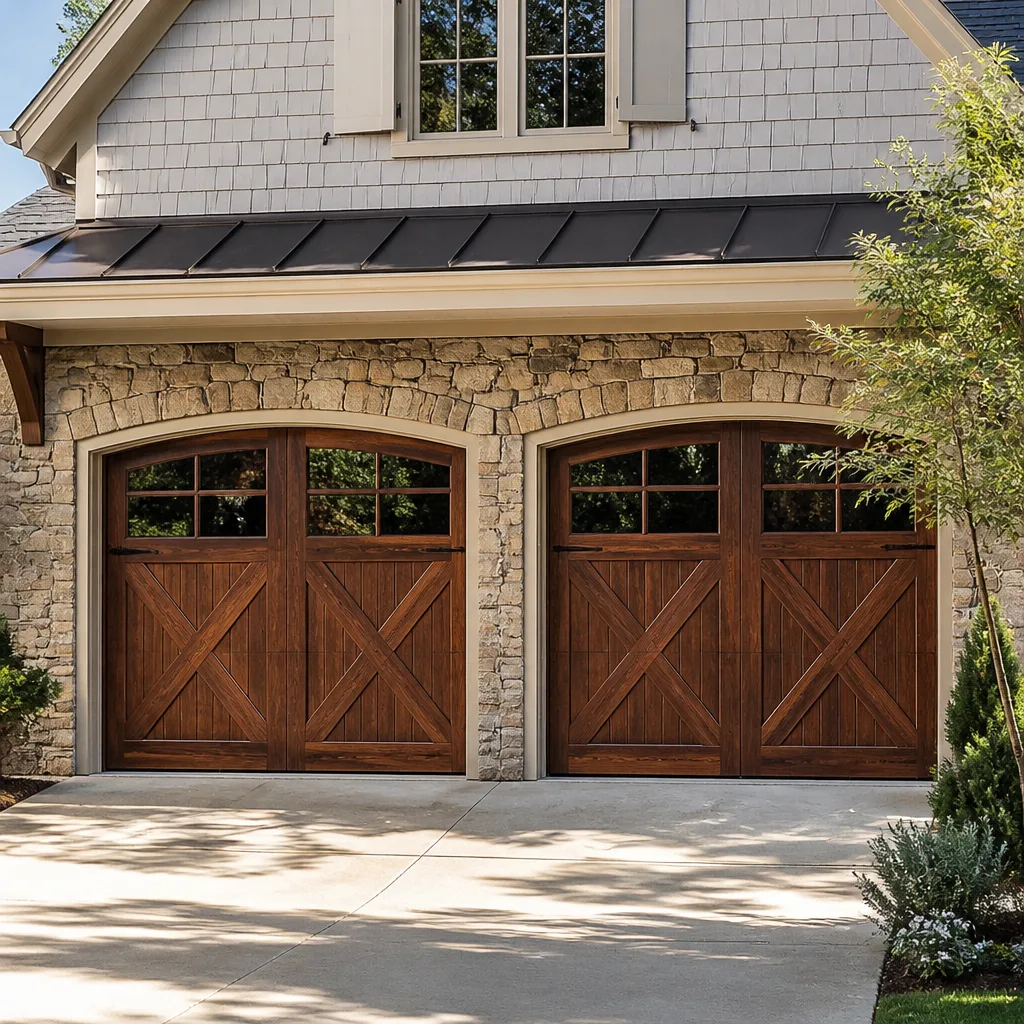 Carriage house
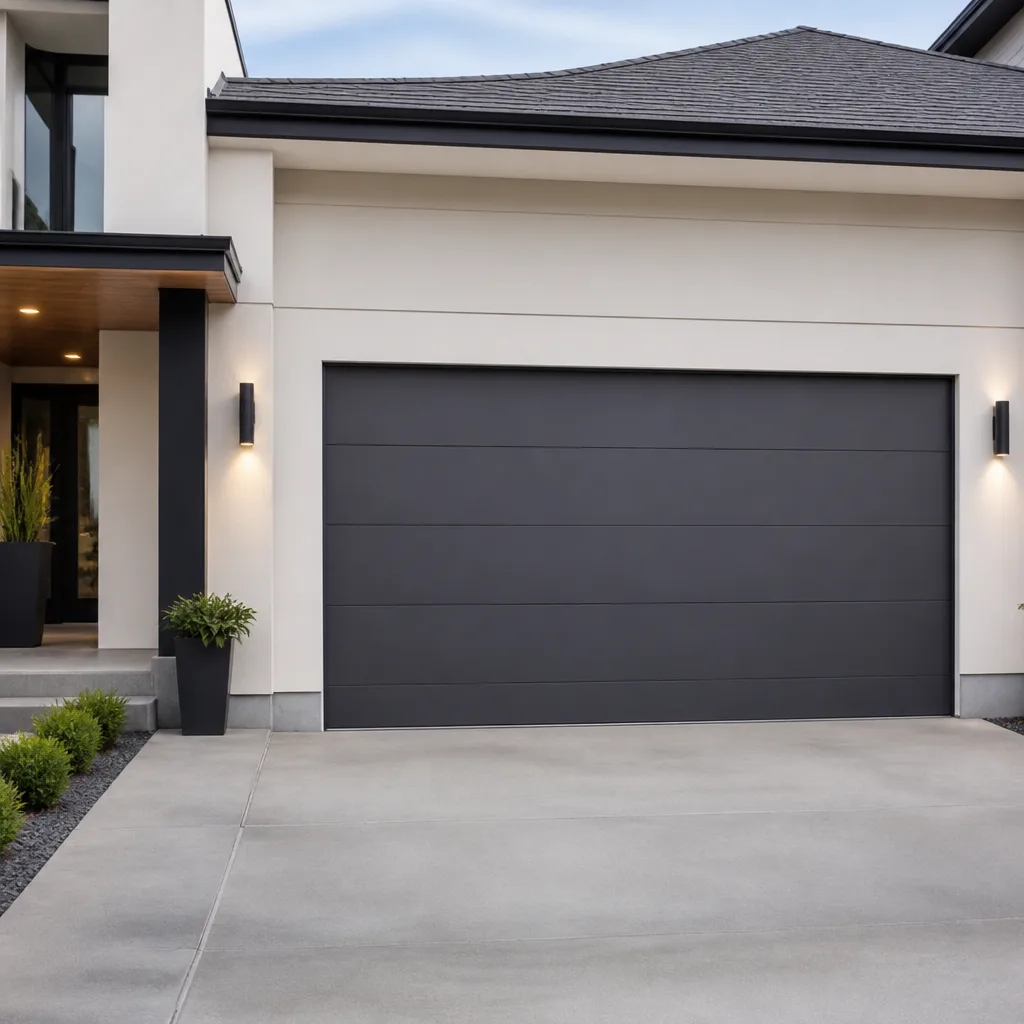 Modern flush
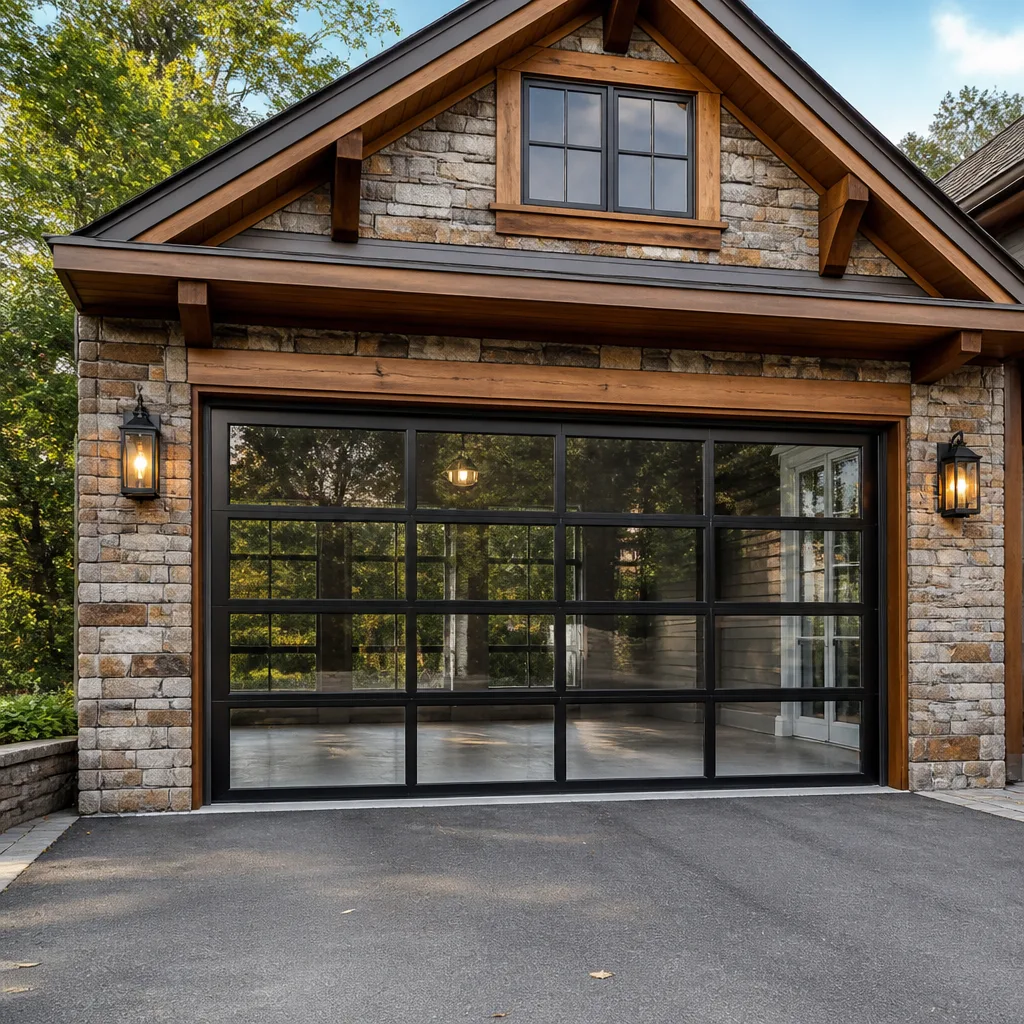 Full-view glass
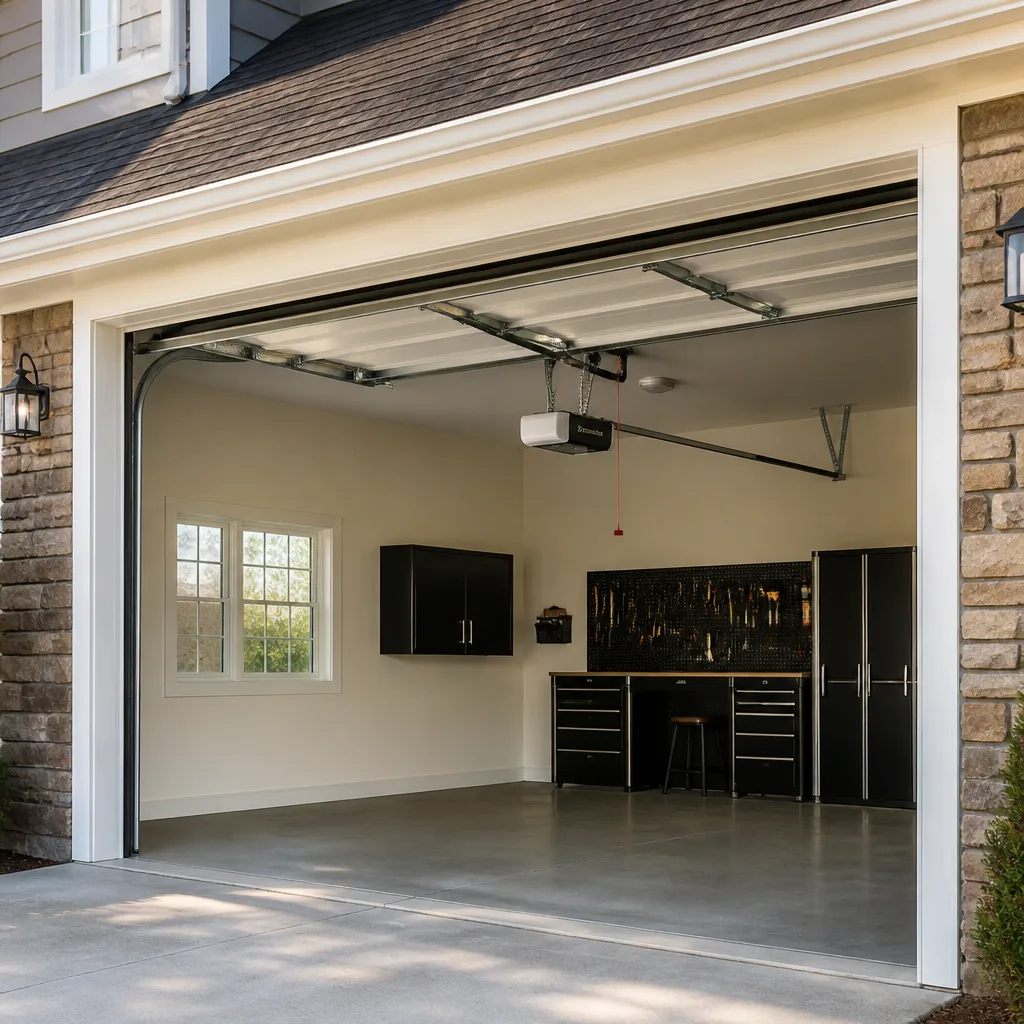 LiftMaster openers
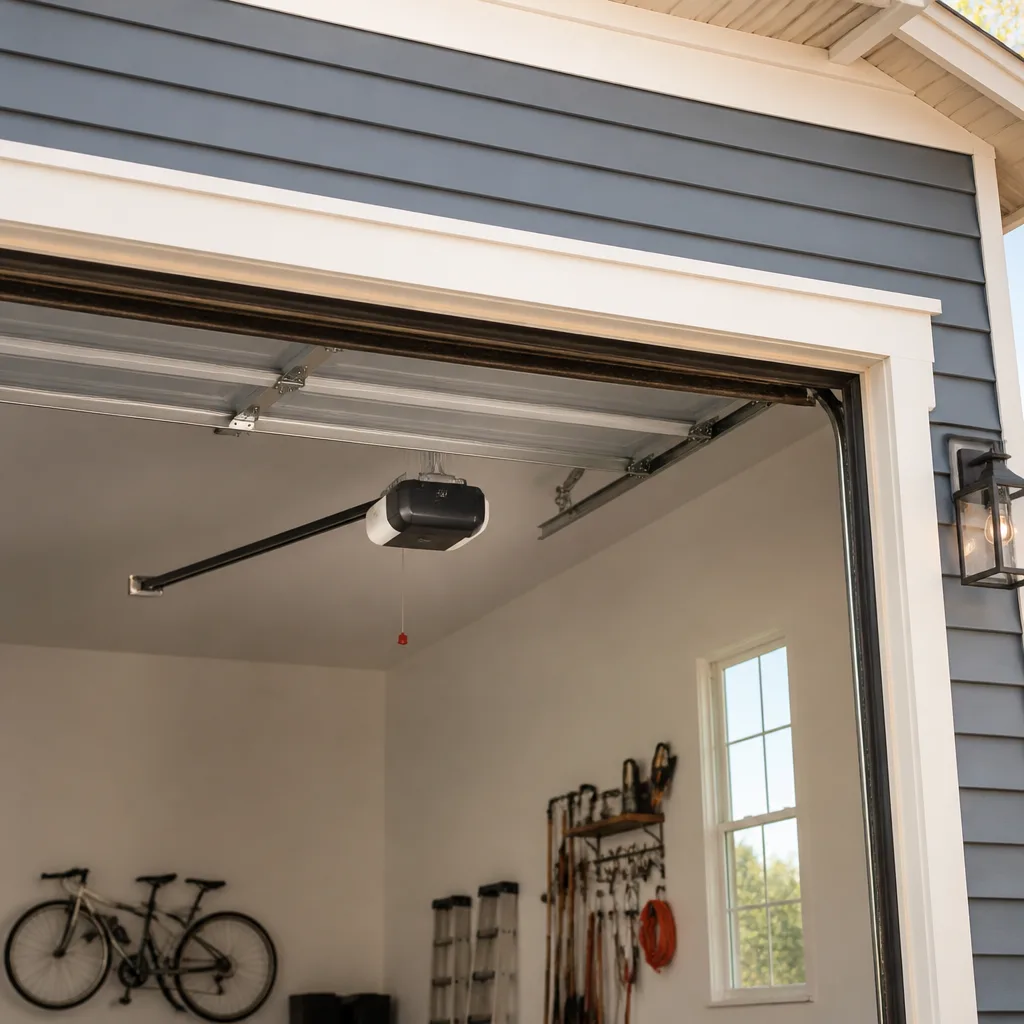 Chamberlain openers
Full 25-point door and opener safety check with every visit - springs, cables, rollers, tracks, and your LiftMaster or Chamberlain opener included
You get a price before we start. It does not change when the pro arrives.
Get your free estimateGarage Door Emergency Preparedness Guide for Springfield Homes
Most Springfield homeowners think a garage door emergency is about a broken spring. In practice, the calls that stretch into a second day are usually about what happened after the door failed – the emergency release that got pulled and never properly re-engaged, the door left partway open overnight in January, the car that clipped a panel and pushed the door off its tracks. A garage door emergency has a predictable set of scenarios, and each one has a correct response sequence. Springfield’s hill neighborhoods and older housing stock add their own wrinkles: steep driveways, narrow bays, and winter weather that makes leaving a door open genuinely unsafe. This guide walks through each scenario, shows you how to operate and re-engage an emergency release without damaging the trolley carriage, and explains what to have ready before you call so a technician arrives with the right parts the first time.
Styles & brands we work with
- Raised-panel steel
- Carriage house
- Modern flush
- Full-view glass
- LiftMaster openers
- Chamberlain openers
Quick Answer
A garage door emergency in Springfield is best handled by first making the door safe and secure, then identifying which of four scenarios you’re facing: power outage, failed spring, storm damage, or vehicle impact. Pull the emergency release only if the door won’t move otherwise, re-engage it carefully by hand before restoring power, and never attempt to fix a broken torsion spring or force a door that has come off its tracks. For anything involving springs, cables, or a door off its tracks, call a trained technician. Springfield Garage Door Repair Pros offers free estimates and dedicated emergency service – call (855) 952-3962.
Table of Contents
- The Four Springfield Garage Door Emergencies and How They Differ
- Scenario 1: Power Outage or Dead Opener
- Scenario 2: Failed Spring
- Scenario 3: Storm and Wind Damage
- Scenario 4: Car Into the Door
- How to Operate the Emergency Release Correctly
- Re-engaging the Trolley Carriage: The Step Most People Get Wrong
- Temporarily Securing a Door That Won’t Close in Winter
- What to Have Ready Before You Call for Emergency Service
- Common Mistakes to Avoid
- When to Call a Professional
- Frequently Asked Questions
- The Bottom Line
The Four Springfield Garage Door Emergencies and How They Differ
Springfield garage door emergencies fall into four broad categories, and each demands a different response. Knowing which one you’re facing takes about thirty seconds and saves hours of confusion. The order below runs from least to most dangerous – work down the list and stop where your situation lands.
- Power outage or dead opener. The door is intact, the tracks are straight, but nothing moves electrically. This is the most common scenario in Springfield and the least dangerous, but it’s also the one that produces the most collateral damage because homeowners force the release the wrong way.
- Failed spring. The door is heavy, may only open a few inches, and there’s a snap or bang you can’t un-hear. Torsion springs on most doors are under extreme tension. This is the highest-risk scenario for a homeowner and should never be a DIY job.
- Storm and wind damage. Panels may be dented or bowed, the door may be off its tracks, and the opener may be straining against a misaligned door. Springfield sits in an area that sees nor’easters and heavy wet snow, which load the door and its hardware in ways a mild climate doesn’t.
- Vehicle impact. A car has contacted the door – usually backing out of a tight bay or misjudging a hill driveway. The door may be off its tracks and the opener’s drive gear may have stripped. This is the one that most often requires panel replacement rather than repair alone.
If you’re not sure which one you’re dealing with, err toward the more dangerous category. A door that “just looks a little crooked” after a windstorm can be a door on the edge of coming down. Call before you touch it. Our Springfield Garage Door Repair Pros team handles all four scenarios and can talk you through the safe next step on the phone.
Scenario 1: Power Outage or Dead Opener
A garage door that won’t open during a power outage is almost never broken. It’s an electrical problem – either the grid is down, a breaker has tripped, or the opener’s logic board has lost its mind. The follow-on emergency, though, is what happens when a homeowner pulls the release cord and can’t get the door re-engaged afterward. That’s the scenario we see most in Springfield after a storm knocks out power overnight.
The safe response sequence looks like this:
- Check whether the issue is power or the opener. Look at the opener’s light or display. If it’s completely dark, the unit has no power. If it’s lit but nothing moves, the opener itself has failed.
- Confirm the breaker before anything else. A tripped GFCI or a blown breaker in the panel is the most common cause of a “dead” opener that isn’t actually dead. If the panel is hot to the touch or shows signs of scorching, stop and call an electrician – garage door openers should never be your first foray into a panel.
- If power is out, decide whether you need to get the car out. If you don’t, leave the door alone. Re-engaging an opener that was manually released takes practice, and doing it wrong damages the trolley.
- If you do need to open the door, follow the emergency release steps below, and remember you’ll need to re-engage before restoring power.
- Once power is back, test one full open and close cycle from the wall control before driving the car out. Don’t assume.
If the opener stays dead after power is restored, it’s likely the logic board or a capacitor – both common failure points on older LiftMaster and Chamberlain units. That’s a diagnostic call, not an emergency. Our garage door opener repair team handles both brands and the smart-home-connected versions Springfield homeowners are increasingly installing.
Scenario 2: Failed Spring
A broken torsion spring is the highest-risk garage door emergency in Springfield, and it’s the one homeowners most often misdiagnose. The spring doesn’t fail quietly – there’s a loud snap, a bang, and the door suddenly feels ten times heavier. Sometimes the door won’t budge. Sometimes it opens a few inches and stops. Either way, the spring is now a loaded component with no safe way for an untrained person to interact with it.
What you’ll notice with a failed spring:
- A sharp bang from the garage, usually while the door is opening or closing
- The door feels heavy when lifted by hand – much heavier than before
- The opener strains, hums, or runs but can’t open the door
- A visible gap in the torsion spring above the door (if you can look safely from below without touching anything)
- In some cases, the door won’t fully close and reverses immediately
The correct response is to stop using the door immediately, keep cars on the other side of it, and call for spring repair. Do not attempt to lift, force, or “help” the door. Do not pull the emergency release on a door with a broken spring – that turns a controlled problem into a free-falling one. Springs are one of the two most dangerous components on the whole door (the other is the cables), and this is exactly why we offer garage door spring repair as a standalone service rather than a side note.
Our technicians have up to 11 years of experience with torsion and extension spring systems across Clopay, Amarr, Wayne Dalton, Raynor and other major brands. A single broken spring is usually replaced as a matched pair, since the paired spring has taken the same wear and usually fails within weeks anyway. We’ll give you a written price before any work starts.
Scenario 3: Storm and Wind Damage
Springfield’s nor’easters and heavy wet snow load a garage door in ways homeowners don’t always anticipate. Wind pressure pushes on the door face, snow accumulates against it from the driveway side, and the combination can bow panels, bend the bottom section, or push the door slightly off its tracks. A door that looks fine from the street can be strained, misaligned, and one operation away from a much bigger problem.
After a storm, check the door before you operate it:
- Look at the gap between the door and the frame. It should be even on both sides. An uneven gap signals a door that’s been pushed out of alignment.
- Check the bottom section for dents, buckling, or panels that have separated. A buckled bottom section usually means panel replacement, not a repair.
- Operate the door once by hand from the inside if it’s safe to do so, and listen. Grinding, popping, or scraping means the door is dragging and shouldn’t be run on the opener.
- Look at the tracks. A track that’s bent even slightly should not be forced – bending tracks back is a professional call because the geometry has to be reset precisely.
- Clear snow and ice from the threshold, and don’t force the door through a blocked track.
If wind has pushed the door off its tracks, treat it like a vehicle impact and follow the sequence in the next section. If the door is intact but the opener is straining, the opener may have sustained damage from fighting a misaligned door. Our garage door repair team handles both panel replacement and opener diagnostics in one visit so you’re not handed off.
Scenario 4: Car Into the Door
A car contacting the garage door is usually a low-speed event – backing out of a tight bay, misjudging a hill driveway in Springfield, or a parking maneuver in poor light. The visible damage may be a dented bottom panel. The invisible damage is often a door that’s been pushed off its tracks, an opener drive gear that’s stripped, or a torsion system that’s been knocked out of balance. Never test a car-impact door by running the opener. That’s how a $400 repair becomes a $1,200 one.
The safe sequence after an impact:
- Turn off the opener at the wall switch or the breaker. Don’t let anything move the door automatically.
- Inspect from the inside without touching. Look at track alignment on both sides, look at the bottom panel and rollers, and look at whether the door is still seated in its vertical tracks.
- Do not attempt to push the door back into its tracks or lift it off a fallen roller. Doors off their tracks are unstable and can come down without warning.
- If the door is partially open after impact, don’t close it if it means forcing a strained track. That’s the moment when panels crack and springs take the load at a bad angle.
- Call for emergency service before you attempt to move anything. The technician will assess whether the door can be re-tracked or whether panels need replacement.
Car-impact calls are the ones where having the right information ready makes the biggest difference – the door brand, the panel count, the opener model, and the approximate size of the door all determine what the technician brings. Our technicians are trained across Amarr, Wayne Dalton, Craftsman and the other leading brands, so we’re not guessing what fits your system. Our garage door repair team can also handle the opener side if the drive gear was damaged.
How to Operate the Emergency Release Correctly
The emergency release cord hangs from the opener’s trolley carriage on a red handle. Pulling it disconnects the door from the opener so the door can be moved by hand. Most homeowners understand this part. What goes wrong is what happens after – the trolley carriage gets damaged because the door is never properly re-engaged, or the door is released while a spring is broken, which is genuinely dangerous.
Operating it safely looks like this:
- Only pull the release when the door is fully closed and there’s no load on the spring. A door released mid-open can slam down.
- Stand to the side, not under the door, and pull straight down and slightly away from the track.
- Lift the door by hand using the bottom section, not by the panels. If it’s heavier than expected, stop – the spring may be broken.
- If you’re releasing a door with a known spring problem, don’t. Call first.
- After moving the door, don’t restore power until you’ve re-engaged the carriage (next section).
One nuance in Springfield: many older garages in neighborhoods like Forest Park and the North End have limited clearance above the door, and the release cord may be difficult to reach if the opener has been installed high or the door has been retrofitted. If you can’t reach the cord safely without a step stool, don’t. Call us and we’ll advise a better path. The last thing anyone needs is an emergency release pulled while someone is off balance on a ladder.
Re-engaging the Trolley Carriage: The Step Most People Get Wrong
This is the step that produces the most follow-on calls after a power outage or manual release. The trolley carriage has to be re-engaged with the opener’s drive mechanism – usually a belt, chain, or screw drive depending on the system – and the engagement has to happen at the right point in the door’s travel. Get the sequence wrong and the carriage damages itself, strips the drive gear, or fails on the next operation at the worst moment.
Correct re-engagement procedure:
- With the door in the fully closed position, locate the trolley carriage on the opener rail.
- Check whether the release lever on the carriage is in the “open” position (usually pulled down toward you). If it’s already in the re-engaged position, don’t force it.
- Stand clear of the door and run the opener one full cycle from the wall control. The carriage should snap back into engagement as the opener picks up the door – you’ll hear and feel it seat.
- Test one full open and close cycle by hand first, then with the opener, before driving the car out.
- If the carriage doesn’t re-engage on the first cycle, don’t force it or keep cycling. Something is misaligned, and cycling repeatedly can strip a LiftMaster or Chamberlain belt drive in short order.
- If the door runs but the opener light flashes and the door reverses immediately, the safety sensors may need realignment – that’s a two-minute check, not an emergency.
If the carriage won’t re-engage on its own, the fix is usually a matter of a minute for a trained technician and a source of real damage when attempted by someone unfamiliar with the system. We work on Craftsman, Raynor, LiftMaster and Chamberlain systems regularly and can talk you through the check on the phone.
Temporarily Securing a Door That Won’t Close in Winter
In Springfield, “leave it open until the technician comes” is not an option in January. A garage door that won’t close exposes the house to freezing air, risks frozen pipes along the garage wall, and leaves a very real security gap. On top of that, snow and ice can accumulate inside the door threshold overnight. The goal here is to secure the opening without making the door’s condition worse.
The safe temporary measures, in order of preference:
- Close the door manually if it will move safely. Disconnect the opener at the release, lower the door by hand (from the bottom section, standing clear), and re-engage the carriage. If the door closes fully and locks, you’re done until the technician arrives.
- Disconnect the opener and lower the door under control. Even if the opener is dead, this handles most “won’t close” situations that aren’t spring-related.
- Block the door in the closed position from the inside. If the door is down but not locked, place a wedge or a length of wood on the inside track to prevent an upward push. Don’t use this as a long-term fix – it’s a stopgap for a single night.
- Secure the opening if the door cannot be closed. If the door won’t come down, park a car as close to the opening as safely possible (positioned so no one can drive into it) and cover the opening with a tarp or heavy weather barrier from the inside, weighted at the bottom. This isn’t a substitute for a door, but it keeps snow and wind out and signals clearly that the opening is not passable.
- Turn off the opener at the breaker. If the door won’t close and the opener keeps cycling, kill the power. Cycling a jammed opener can strip the drive gear and turn a repair into a replacement.
Whichever path you take, call for service as soon as it’s safe to do so. A door left unsecured on a cold Springfield night is a problem in the morning.
What to Have Ready Before You Call for Emergency Service
The technician on the other end of the phone can only bring the right parts if you can describe the door. A five-minute check before you call is the difference between a first-visit fix and a callback. Have the following ready:
- The door brand. Check the inside of the door for a sticker or stamp – most doors are labeled along the bottom section or the top section. LiftMaster, Chamberlain, Genie, Clopay, Amarr, Wayne Dalton, Craftsman and Raynor are the brands we work on most in Springfield.
- The opener model if you can find it. On the back of the opener unit or the side of the motor housing.
- Door size and panel count. A single-car door, a two-car door, or an oversized custom door, and the number of horizontal panels.
- The nature of the failure. “Won’t open,” “won’t close,” “opened partway and stopped,” “won’t move at all,” “grinding noise,” “off the tracks,” “car hit it.”
- Whether the release has been pulled. If you’ve manually released the door, mention it. That changes the technician’s plan.
- Photos if possible. A shot of the door from inside, the opener, and the springs gives the technician a head start.
- Access and clearance notes. Narrow driveway, steep slope, low ceiling, tandem parking – all of this affects the van’s arrival and the work.
Having these ready costs ten minutes and routinely saves a second visit. It also lets us confirm same-day and emergency slots rather than scheduling a follow-up. The technician will still confirm everything on arrival, and the written estimate you get before any work starts is the final price.
Common Mistakes to Avoid
- Pulling the emergency release while the door is mid-cycle. The release is designed for a door at rest, fully closed. Pulling it mid-open or mid-close under load can drop the door or leave the trolley carriage unseated. In Springfield, more winter emergency calls come from a mid-cycle release than from springs.
- Forcing a door that won’t open past a few inches. This is the classic broken-spring symptom, and forcing the door strains the opener. It’s the single fastest way to convert a spring repair into a spring and opener repair.
- Not re-engaging the carriage before restoring power. The opener will cycle against nothing, the door will stay down, and the carriage is one more cycle from damaging itself. Always re-engage first, test by hand, then restore power.
- Bending tracks back into place by hand. Tracks are precision-aligned, and a track that’s only slightly off is more dangerous than one that’s clearly bent. Bending by hand usually produces a door that drags, which wears out rollers and the opener drive.
- Leaving a door open to “see what happens.” In Springfield’s winters, that’s a frozen pipes and security risk rolled into one. Secure the opening even if the door won’t close fully.
- Calling without the door brand and model. It’s not a crisis to not know, but it doubles the odds of a second visit. The brand is stamped on the door most of the time. Grab it.
- Attempting a spring repair with hardware-store tools. Torsion springs are loaded components and a tool slip can cause serious injury. This is the one repair that should never be attempted without training and the right equipment.
When to Call a Professional
Call a professional immediately for any of the following: a broken spring; a door that’s off its tracks after an impact; a door that won’t close all the way and won’t respond to the opener; a snapped or visibly loose cable; a garage door that has come down hard or dropped unexpectedly; a vehicle impact that has pushed panels in or out; and any opener that sparks, smells of hot plastic, or repeatedly cycles on its own. These are the situations where a trained technician prevents further damage. A door stuck open from a dead battery in the remote is not a professional-level call – re-engage, replace the battery, and you’re done.
Springfield Garage Door Repair Pros offers free estimates in Springfield – call (855) 952-3962. Emergency service is a dedicated offering, not a courtesy add-on, and we work on LiftMaster, Chamberlain, Genie, Clopay, Amarr, Wayne Dalton, Craftsman and Raynor systems. Our technicians have up to 11 years of experience. The written estimate is agreed before any work begins.
Frequently Asked Questions
Spring repair in Springfield typically runs $180 to $340 for a single torsion spring, with a matched pair usually replaced together at roughly twice that. Prices vary by door size, spring type, and whether the opener was damaged. Call (855) 952-3962 for an exact quote – estimates are free.
Yes. Emergency garage door service is a dedicated offering, and same-day slots are typically available for the four scenarios in this guide. Have the door brand and a description of the failure ready when you call so the technician brings the right parts. Call (855) 952-3962.
First, check that nothing is blocking the safety sensors – ice, snow, or a misaligned sensor at the bottom of the tracks. If the sensors are clean and the door still won’t close, disconnect the opener at the release, lower the door by hand, and secure it. Then call for service before operating it again.
No – the estimate is written and agreed before any work starts. The technician diagnoses on arrival and gives you a written price for the fix. If the scope changes mid-job (a panel turns out to be worse than expected, for instance), the technician stops and re-quotes before continuing.
The local professionals we connect you with are experienced with the eight major brands we support and work to their state’s requirements. Credentials are confirmed with the technician before the visit. Ask when you call – we’ll tell you what’s in place for the specific pro coming out.
No. A door off its tracks is unstable and can come down without warning. Turn off the opener, don’t force anything, and call for emergency service. Most off-track situations are re-tracked in a single visit if the panels aren’t structurally damaged. Call (855) 952-3962.
Close the door fully, check the release lever on the carriage, and run the opener one full cycle so the carriage seats back into the drive. Test by hand first, then with the opener, before driving out. If it doesn’t seat on the first cycle, stop and call – cycling repeatedly can strip the belt or chain drive.
The Bottom Line
A garage door emergency in Springfield is predictable, and the response is too. Know which of the four scenarios you’re facing, secure the opening before doing anything else, and never force a door with a broken spring or one that’s off its tracks. The emergency release is a tool – use it correctly, re-engage carefully, and don’t cycle an opener that hasn’t seated. Have the door brand and a clear description ready so the technician arrives prepared, and confirm the written estimate before any work begins. Everything else is a phone call away.
Springfield Garage Door Repair Pros is a garage door specialty company serving Springfield and the surrounding communities. We work on your brand – LiftMaster, Chamberlain, Genie, Clopay, Amarr, Wayne Dalton, Craftsman and Raynor – and handle repair, opener diagnostics, spring replacement, and full new-door installation without handoffs. Our technicians have up to 11 years of experience.
Call (855) 952-3962 for a free estimate. Emergency service is a dedicated offering. Estimates are written and agreed before any work starts.
Written by the team at Springfield Garage Door Repair Pros.
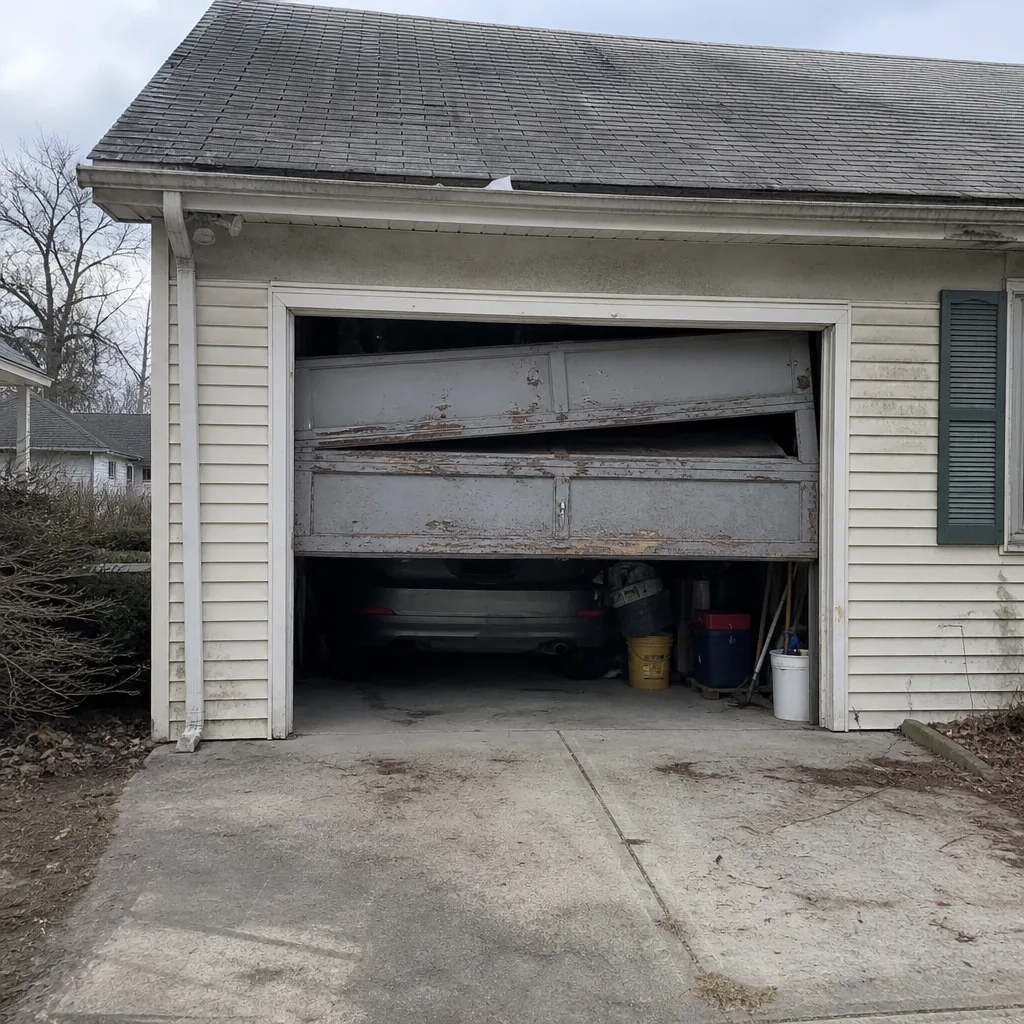
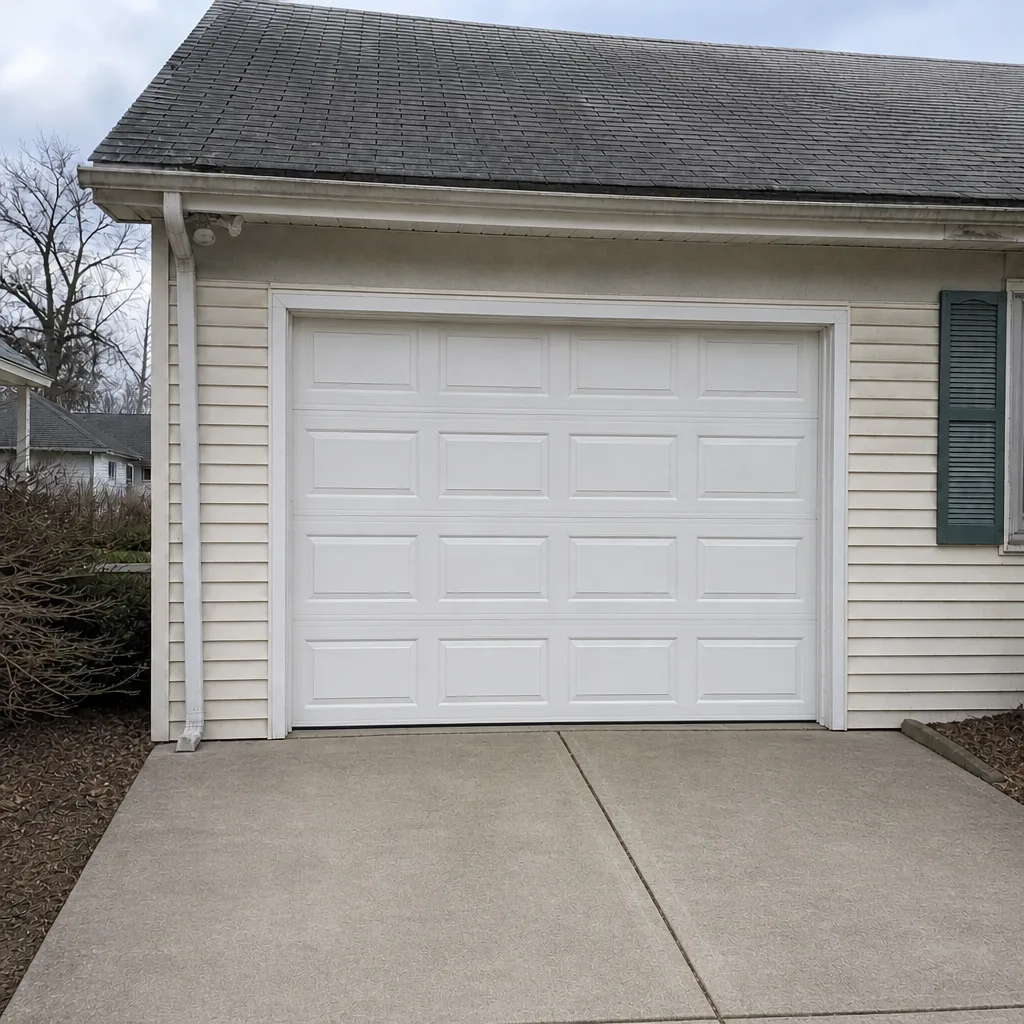
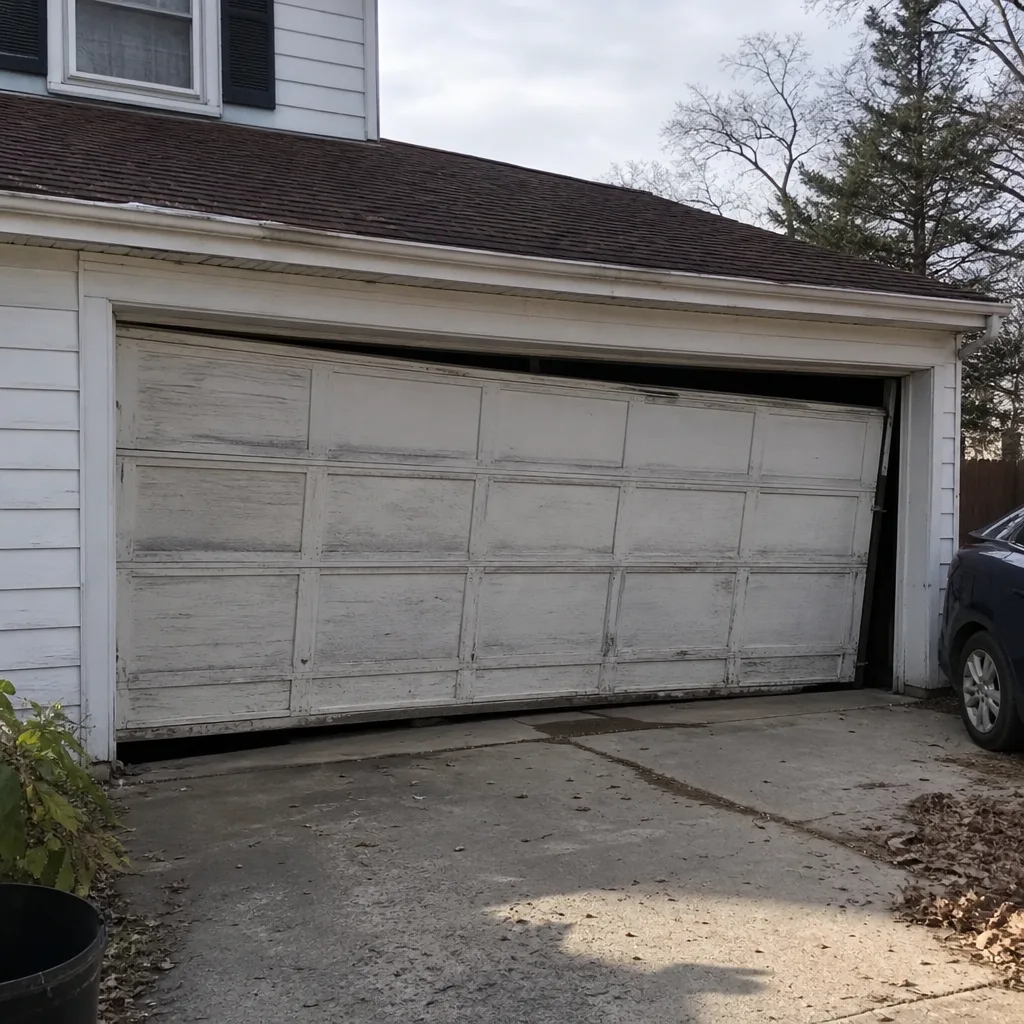
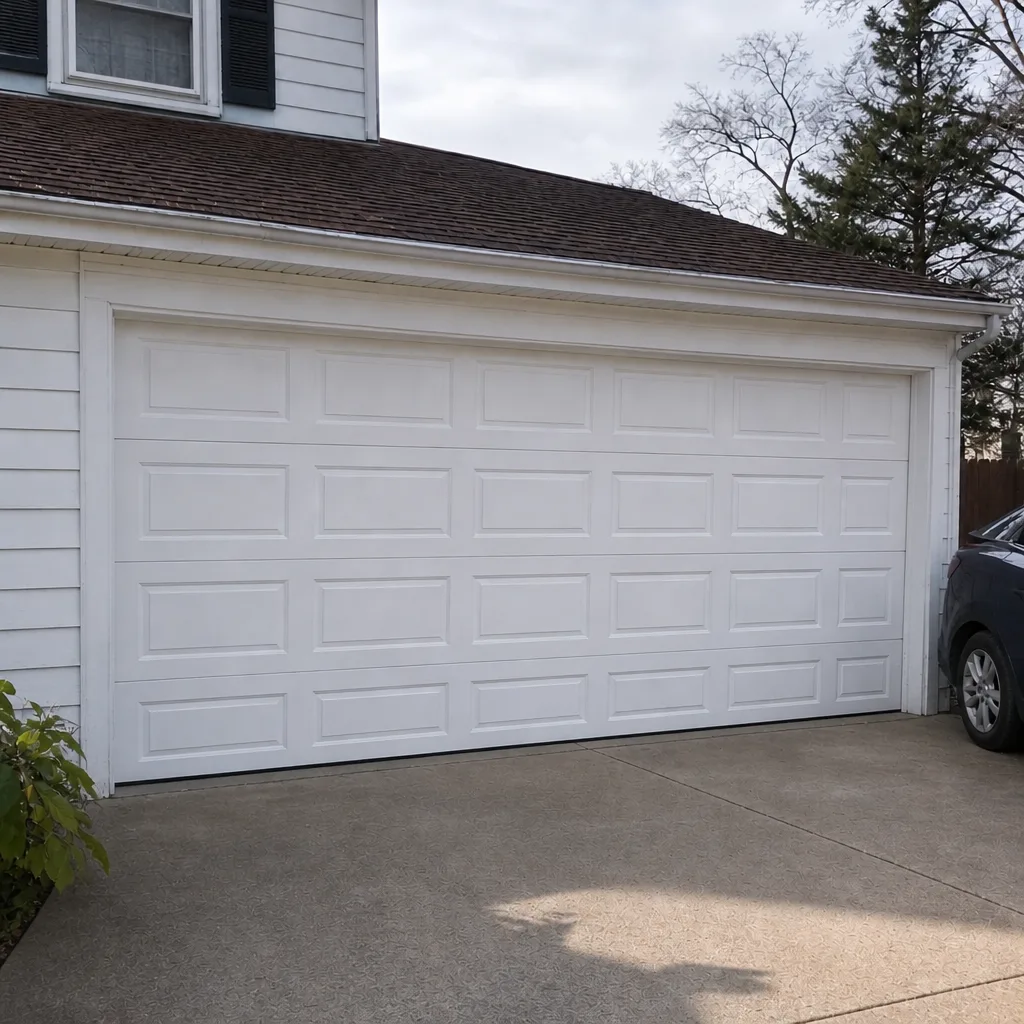
See the difference
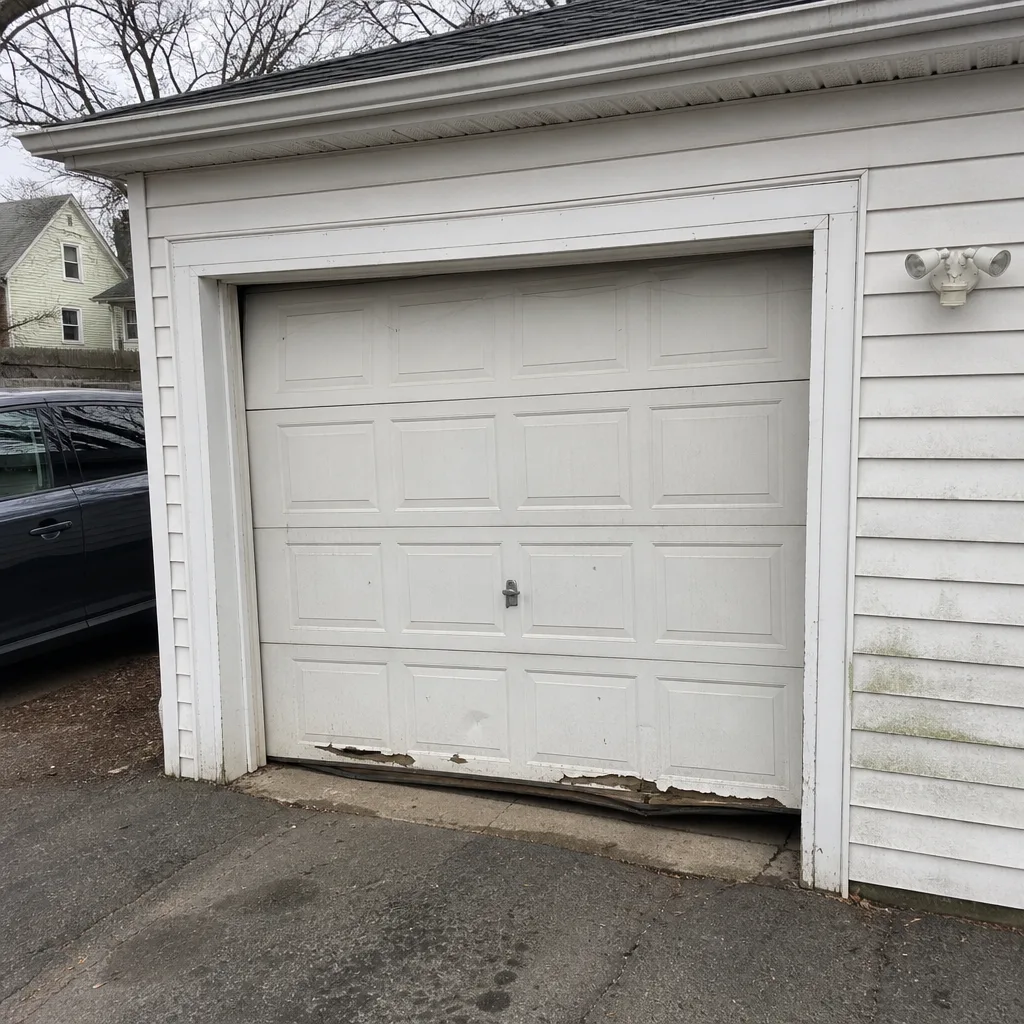 Before
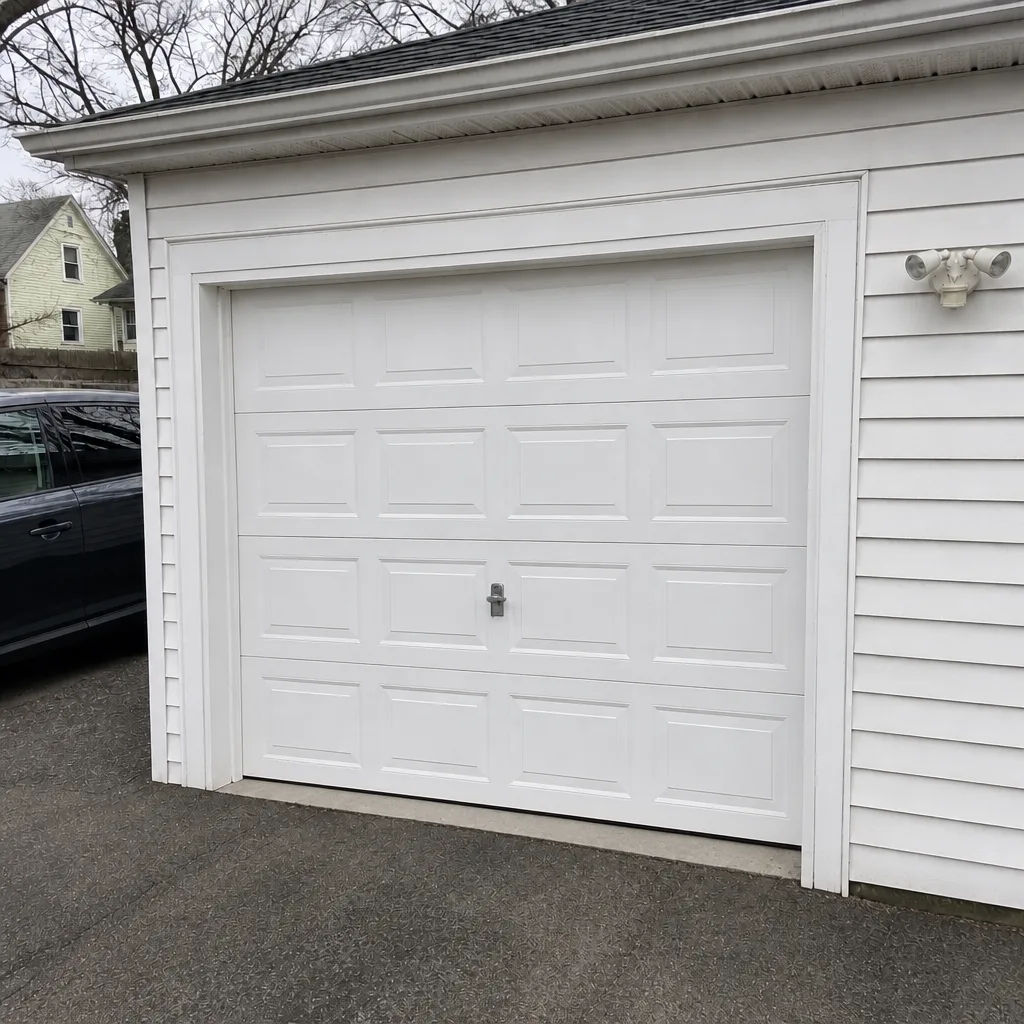 After
 Before
 After
 Before
 After