Last updated November 21, 2026
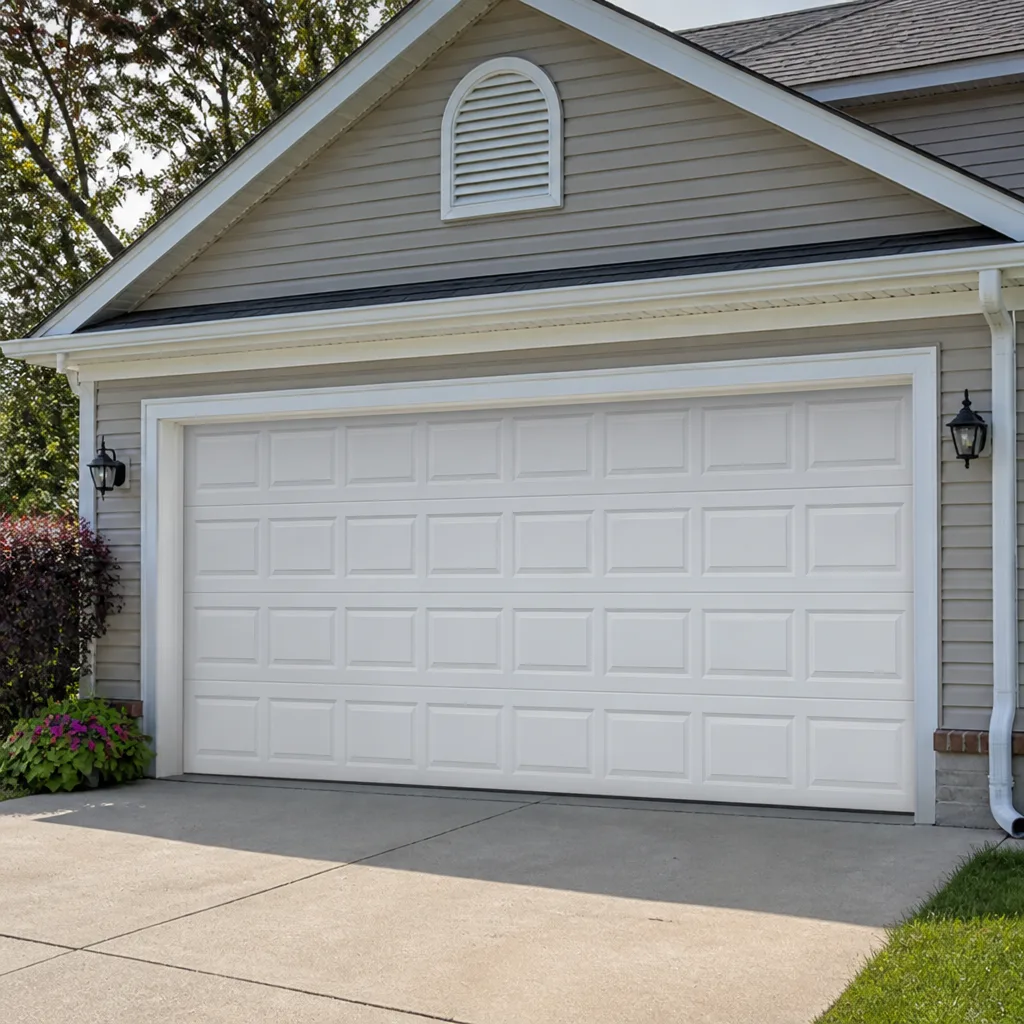 Raised-panel steel
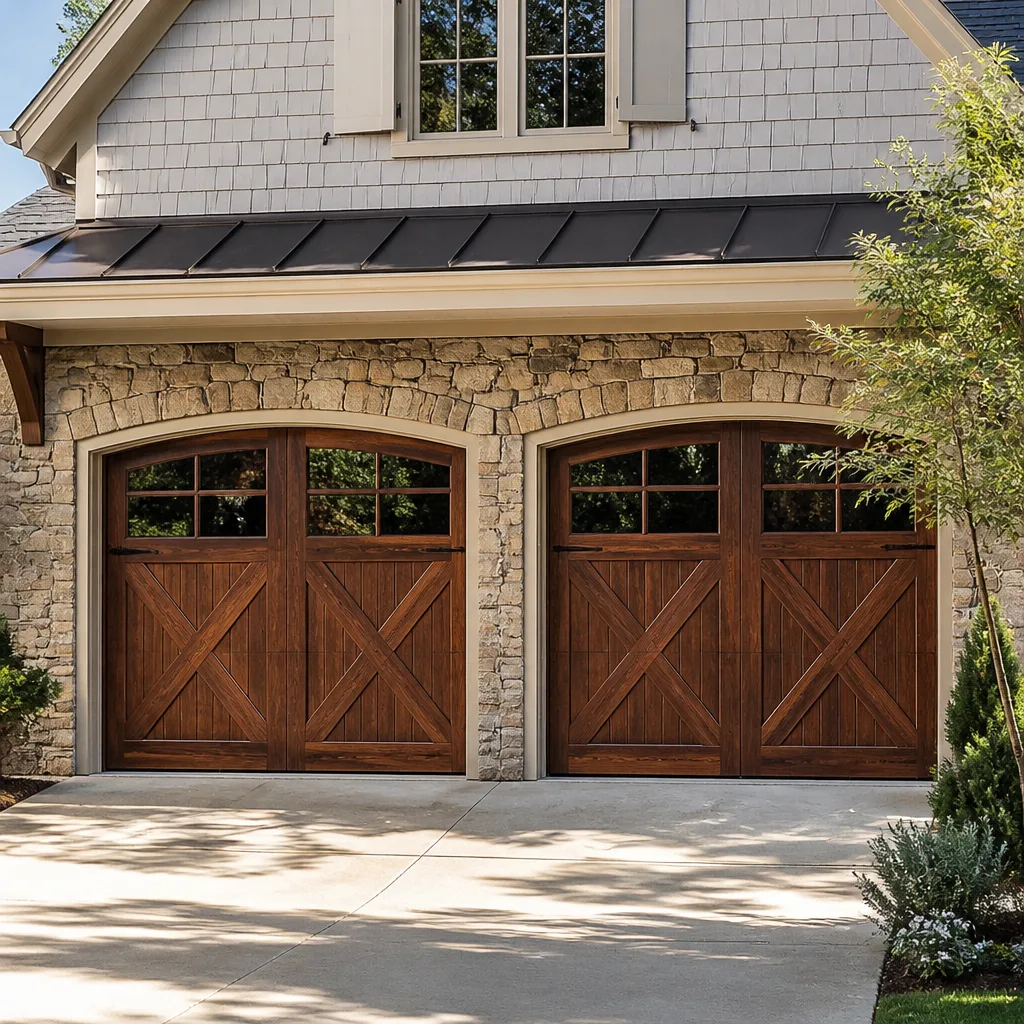 Carriage house
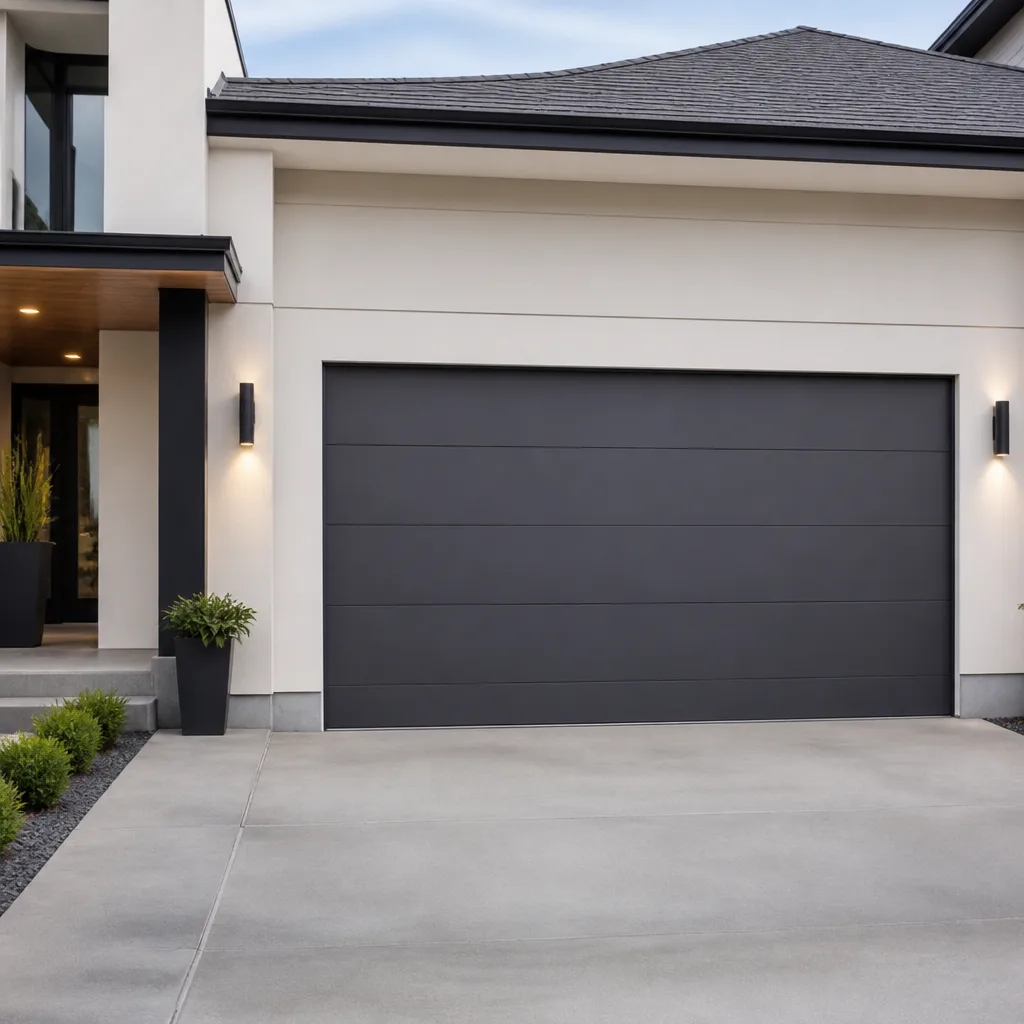 Modern flush
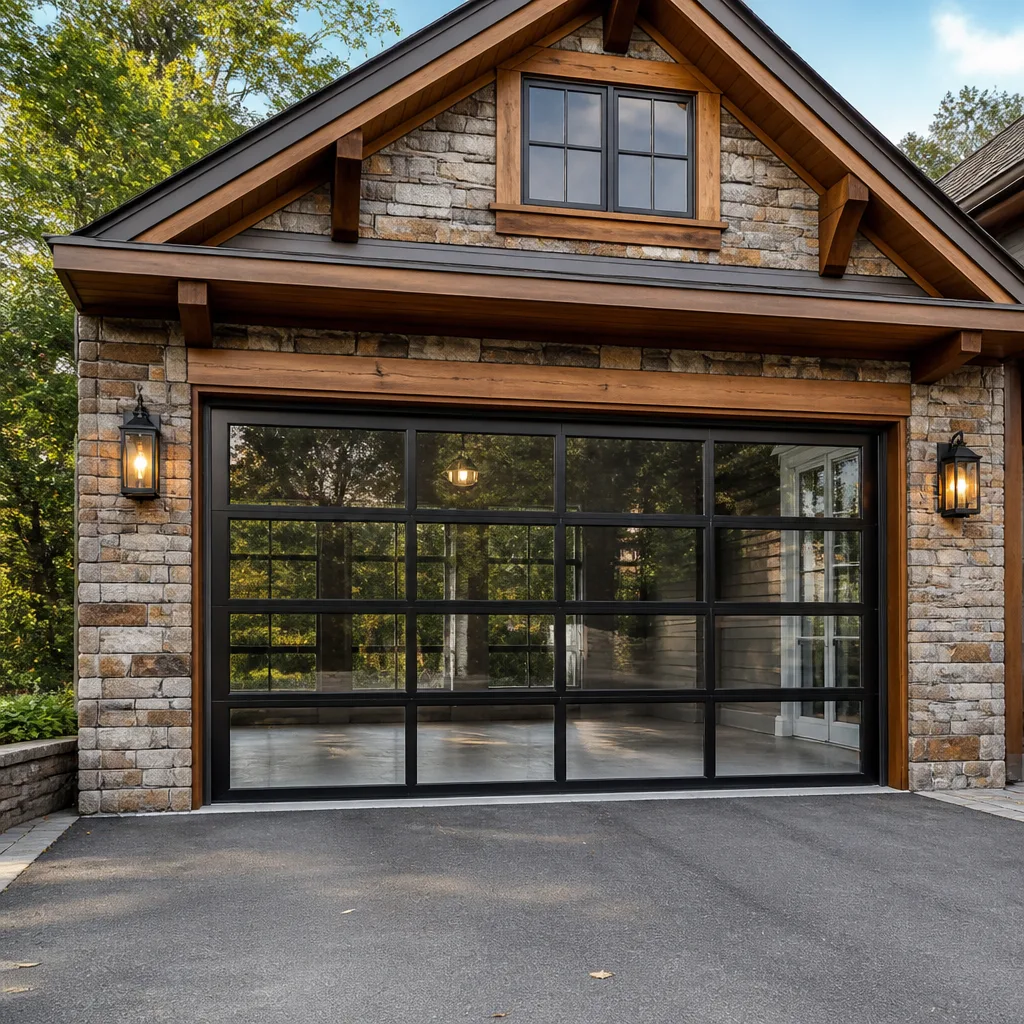 Full-view glass
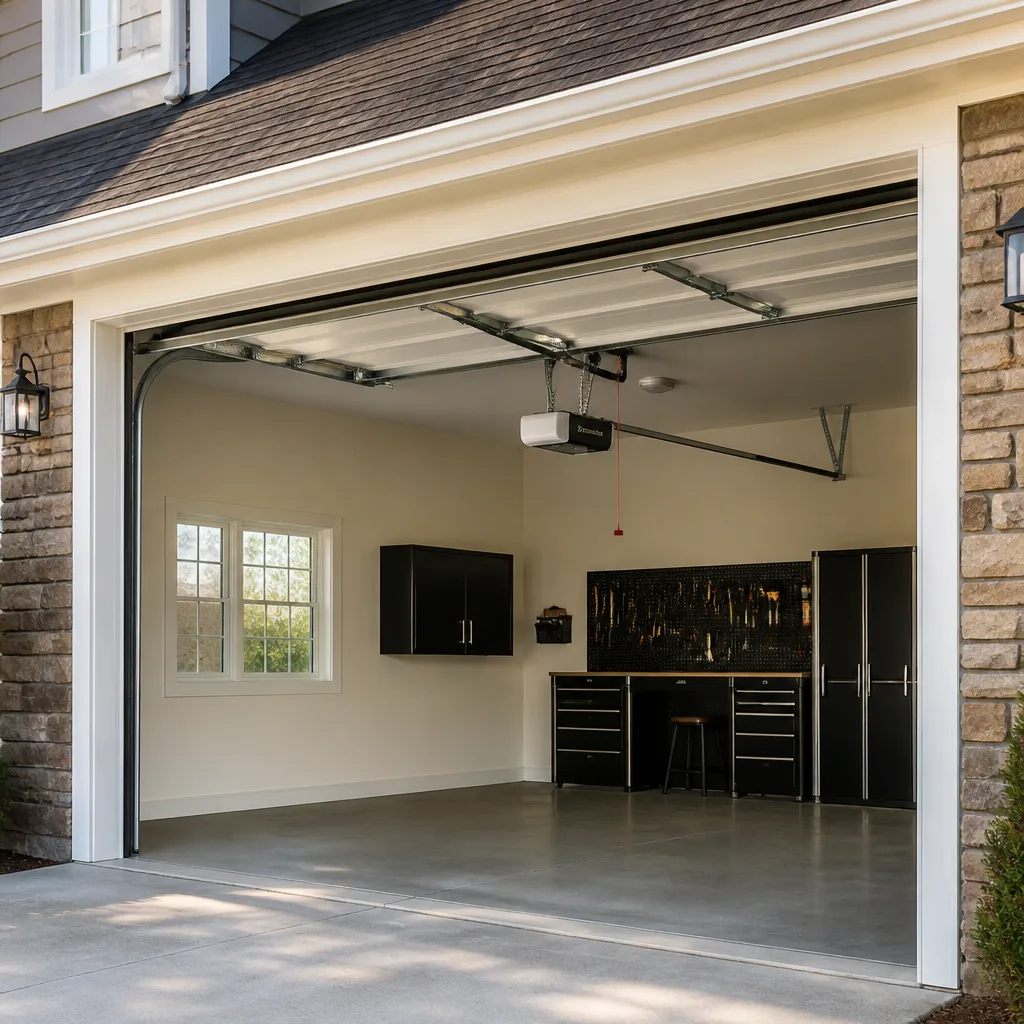 LiftMaster openers
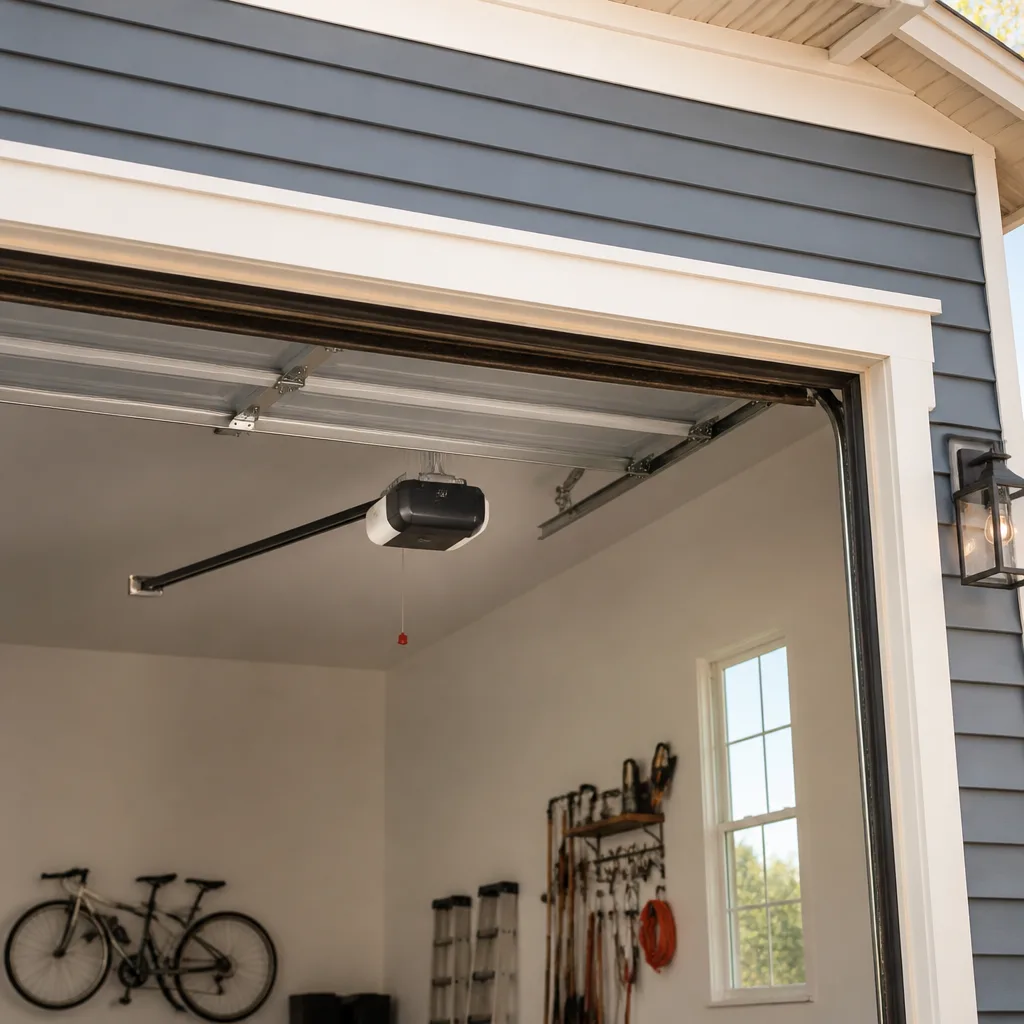 Chamberlain openers
Full 25-point door and opener safety check with every visit - springs, cables, rollers, tracks, and your LiftMaster or Chamberlain opener included
You get a price before we start. It does not change when the pro arrives.
Get your free estimateDIY vs Professional Garage Door: The Springfield Homeowner’s Decision Guide
Most advice on garage door repair splits into two useless camps: “never touch it, call a pro” or “fix it yourself with a video and an afternoon.” Neither is honest. The real question isn’t whether you’re handy enough – it’s whether the specific task in front of you involves stored mechanical energy that can hurt you if it releases wrong. Some garage door work is genuinely safe for a careful homeowner. Some of it has injured experienced technicians. This guide draws that line task by task, so you know exactly which jobs you can take on in Springfield and which ones belong to a trained professional. You’ll also learn how Massachusetts consumer protection law affects partial DIY work, and which maintenance habits actually stretch the time between repairs.
Quick Answer
Safe DIY garage door tasks are limited to sensors, weatherstripping, lubrication, and opener remote programming. Springs, cables, and track replacement require professional tools and training because torsion springs store enough energy to cause serious injury when they release. For anything involving springs or cables, call a trained professional. For routine maintenance and sensor alignment, a careful homeowner can handle it.
Styles & brands we work with
- Raised-panel steel
- Carriage house
- Modern flush
- Full-view glass
- LiftMaster openers
- Chamberlain openers
Table of Contents
- Where the Safe Line Actually Sits
- The Definitive Task List: What You Can and Can’t DIY
- What a Failed DIY Spring Repair Actually Costs
- Which Opener Brands You Can Install Yourself
- How Massachusetts Warranty Law Treats Partial DIY Work
- The Three Maintenance Tasks That Save You Money
- Common Mistakes to Avoid
- When to Call a Professional
- Frequently Asked Questions
Where the Safe Line Actually Sits
A wound torsion spring on a standard residential door stores roughly 100 foot-pounds of torque. That’s not a warning label – it’s the actual energy level involved in every cycle of a garage door, and it’s what makes spring work different from every other repair on the door. A torsion spring under tension can release that energy in a fraction of a second. Winding bars, winding cones, and a proper understanding of how the system is balanced exist for exactly this reason.
Here’s the framework we use to separate safe from unsafe garage door work:
- Low-risk tasks: adjustments that involve no stored mechanical energy. Sensor alignment, weatherstripping replacement, track cleaning, hinge lubrication, remote programming. A homeowner with basic tools and patience can do these correctly.
- Medium-risk tasks: work that involves some energy but limited. Replacing rollers on a door that’s fully down and has no tension on the springs. Replacing a bottom bracket is borderline – it can still injure if the door’s balance is off.
- High-risk tasks: anything involving torsion springs, extension springs, or the cables that hold the door’s weight. These carry enough stored energy that a single mistake can cause serious injury. Track replacement and panel replacement sit here too, because a door that comes off balance during the job can drop unexpectedly.
A garage door isn’t heavy because it’s metal; it’s heavy because it’s built to be lifted by springs. That’s the core idea. Every repair either touches the spring system or it doesn’t. If it does, the job has a mechanical risk profile that no amount of caution fully removes. If it doesn’t, the job is usually within reach. In Springfield, where older housing stock and detached garages are common, we see plenty of doors that still have extension springs rather than torsion springs. Both types store energy, and both belong on the high-risk list.
The line isn’t about how confident you feel. It’s about whether the repair requires releasing, adjusting, or working around stored energy. Confidence doesn’t change the physics – it just changes how surprised you are when the physics show up.
The Definitive Task List: What You Can and Can’t DIY
Here’s the list we’d hand any Springfield homeowner thinking about tackling a garage door repair. Safe tasks are on the left; professional-only tasks are on the right. If you’re unsure where a specific repair falls, ask before you start.
Safe to DIY
- Photo-eye sensor alignment: if your door reverses or won’t close, a misaligned sensor is the most common cause. Loosen the bracket, aim the sensor at its partner, and tighten. Adjust both sides until the indicator light stays solid.
- Weatherstripping replacement: the rubber seal along the bottom of the door wears out from Massachusetts freeze-thaw cycles. A new seal slides into the retainer with some soapy water and a bit of patience. No tools beyond a utility knife.
- Lubrication: hinges, rollers, and the opener’s rail benefit from a garage-door-rated lubricant. Wipe off old grease first; don’t mix products. Avoid the tracks themselves – they’re meant to run dry.
- Opener remote programming: adding or replacing a remote is a pairing step, not a repair. LiftMaster and Chamberlain remotes pair through the learn button on the opener head; Genie and Craftsman use a similar process with brand-specific steps.
- Visual safety inspection: check the door’s balance by disconnecting the opener and lifting the door halfway. If it stays in place, the springs are balanced. If it drifts down, call a professional. Check the springs for visible gaps or rust.
- Safety reversal test: put a piece of wood flat on the floor under the door and close it. The door should reverse on contact. If it doesn’t, the opener’s force limits need adjustment – which you can typically do yourself using the opener’s manual.
Professional Only
- Torsion spring replacement: requires winding bars and precise turns; a slip can release the full spring tension at once.
- Extension spring replacement: the spring is under tension along its length; failure during replacement can throw hardware across the garage.
- Cable replacement: cables are under spring tension on most systems and are the mechanism that keeps the door’s weight distributed. Releasing one side without the other causes the door to drop or twist.
- Track replacement or realignment: a door off its track can fall or swing unpredictably. Track work is a two-person job with proper bracing.
- Panel replacement: a door panel carries weight and balance changes when one panel is swapped; a door that’s out of balance is worse than one that’s damaged.
- Opener installation: installing a new opener involves the drive rail, the header bracket, the safety sensors, and force calibration. Most DIY installs that fail do so at final testing, when the door won’t close fully or trips the reverse sensor.
For the tasks on the right, the local pro is licensed and insured as their state requires, and the price is quoted and agreed before any work starts. That applies whether it’s a spring job or garage door repair for a door that’s come off its track.
What a Failed DIY Spring Repair Actually Costs
Spring work is where DIY ambition and electrical safety meet physical injury. The math isn’t hard: a spring replacement done by a professional is a known cost; a spring replacement that goes wrong is a hospital visit, a damaged door, and a repair that now includes a damaged panel or bent track. The costs stack.
Here’s a non-exhaustive line-item view of what a failed DIY spring job typically involves:
| Cost Category | Typical Range |
|---|---|
| Professional torsion spring replacement (single spring) | $180 – $340 |
| Professional torsion spring replacement (matched pair) | $360 – $680 |
| Emergency room visit for a spring-related hand or arm injury | Varies by coverage; copays and out-of-pocket costs often exceed the professional repair cost |
| Panel replacement after a door drops off balance | Varies by door size and door style; often more than the original spring repair |
| Track replacement after a door leaves its track during the job | Varies by door size and access; typically a two-person repair |
The estimate note matters: our prices are estimates, and the written quote you receive after the measure is the final price. But the comparison point holds – the labor to do a spring job correctly is smaller than the out-of-pocket cost of one injury visit, and it’s dramatically smaller than a new door’s worth of damage from a drop.
The other thing to know: springs fail most often in cold weather, and Springfield sits in a climate where winter mornings are the peak season for spring breakage. A door that suddenly stops lifting in January is usually a broken spring, not an opener problem. That’s the kind of call where calling for garage door spring repair early keeps the repair small.
Which Opener Brands You Can Install Yourself
Opener installation is the most DIY-attempted job in the garage door trade, and it’s also where most of the failed final tests happen. The reason isn’t mechanical complexity; it’s calibration. An opener that isn’t calibrated to the door’s weight and travel will pass a visual check and fail the safety reversal test.
Of the brands sold in Springfield-area big-box stores, here’s how they break down for a motivated homeowner:
- LiftMaster and Chamberlain: these are the same manufacturing family and share the learn button process, which makes them approachable for a first installation. The quirks that trip up DIY installers are the travel limits and the force adjustment – both require reading the manual and testing the reversal function twice.
- Genie: belt-drive models are the most self-installable, but Genie’s older chain-drive units have a carriage bolt that needs precise torquing. Under-torquing is the most common failure point.
- Craftsman: older Craftsman units pair to older remotes; newer Craftsman openers are comparable in installation difficulty to Genie. The brand is discontinued in new-purchase channels in some markets, so parts availability can lag.
- Clopay door-plus-opener bundles: when a new door is purchased with an opener, the calibration is part of the installation and not something a homeowner should attempt – the door and opener have to be set up together.
If you’re installing an opener yourself, the three failure points are: incorrect header bracket height, a mis-leveled rail, and force limits set too low. Get those three right and the rest falls into place. If your old opener is a legacy unit and you’re upgrading to a smart-connected model, pay attention to whether the door’s balance is good first; a smart opener on an unbalanced door will trip its safety reverse every time.
This is where garage door opener repair becomes relevant even for DIY-capable homeowners: diagnostic issues – opener that hums but doesn’t move, opener that runs the door halfway and stops – often aren’t opener problems at all, they’re symptoms of a door that’s out of balance or a spring that’s partially failed. Diagnosis is where a trained eye saves time.
How Massachusetts Warranty Law Treats Partial DIY Work
Massachusetts consumer protection law (Chapter 93A) and the implied warranty of merchantability both apply to goods sold in the state, including garage door parts. What that means in practice: if a door panel or a spring you buy from a retailer fails within its stated warranty period, you have a claim against the seller regardless of who installed it.
But here’s the part most homeowners don’t consider. When you perform part of a repair yourself and then call a professional for the rest, the professional’s warranty scope becomes limited. A garage door specialist who replaces a spring after a homeowner has already adjusted the door’s balance can warranty the parts and the labor on their own work, but not the state of the door before they arrived. That’s not a limitation designed to avoid responsibility; it’s the practical reality of not being able to verify what happened before the call.
The takeaway for Springfield homeowners considering partial DIY work:
- Don’t disassemble before calling. If a repair is beyond your comfort level, leave the door as-is. A door that’s been partially disassembled is more expensive to repair than one that hasn’t been touched.
- Keep your receipts. Manufacturer warranties on springs and opener parts require proof of purchase; if the part fails within its warranty period, the replacement analysis requires documentation.
- Document what you did. If you replaced weatherstripping or sensors before a repair, say so. It helps the technician focus the diagnostic work.
The Massachusetts rule that surprises people: implied warranties attach to the sale, not the installation. If a door or opener part fails within the implied warranty period and it was a defect rather than wear, you may have a claim against the seller even if the installation was professional. That’s separate from the installer’s warranty on labor.
The Three Maintenance Tasks That Save You Money
Here’s what we tell Springfield homeowners who want to get the longest possible interval between professional repairs. Three tasks, done consistently, do most of the work.
- Lubricate twice a year. Hinges, rollers, and the opener rail. Massachusetts winters are the test: freeze-thaw cycles drive moisture into every hinge, and a dry hinge wears faster than a lubricated one. A tube of garage-door-rated lubricant costs less than a service call, and twice-a-year application visibly extends the life of the moving parts.
- Run the safety reversal test monthly. It takes a minute and it catches the most dangerous failure mode: a door that doesn’t reverse on contact. A door that fails the reversal test isn’t a door that’s still working; it’s a door that’s working until it doesn’t. The fix is often a force-limit adjustment; if it isn’t, it’s a diagnostic visit.
- Clear the sensor path of debris. Once a month, wipe the photo-eye lenses and check that nothing in the garage has shifted into the sensor’s line. A sensor with a spiderweb across the lens is functionally a sensor that says “something is there” and won’t let the door close. This isn’t a repair; it’s a two-minute habit.
These three tasks are the difference between routine maintenance and emergency repairs. In Springfield, a door that’s lubricated, tested, and sensor-clean tends to hit the spring replacement interval on schedule rather than early. That’s a smaller bill over time.
If a task has moved past these three – a spring that’s visibly gapped, a door that’s off its track, an opener that runs but doesn’t lift – that’s the point where DIY stops saving money. For those calls, we handle the full repair, spring, opener, and installation lifecycle in one visit. The Springfield Garage Door Repair Pros team works on your door’s brand, from Clopay doors to LiftMaster openers, and we don’t hand off to another vendor.
Common Mistakes to Avoid
- Buying generic replacement springs instead of matched ones. A spring has a weight rating and a cycle rating; buying a spring off the shelf without confirming the door’s weight means the new spring may fail early or over-lift the door. Always confirm the door’s tag first.
- Winding a torsion spring by hand without winding bars. There’s no safe way to do this with a wrench. The bars exist because the spring can slip. This is the single most common serious-injury mistake in the trade.
- Adjusting the opener’s force limits to compensate for a door that’s out of balance. A door that needs more force than it did last month has a problem with the door or the springs. Turning up the opener’s force just masks it until the door drops.
- Ignoring a sagging door or a visible gap in a spring. In Springfield’s winters, a spring that shows a gap has already begun to fail. Driving the door anyway accelerates the failure and adds risk to every cycle.
- Disconnecting safety sensors to get the door to close. The sensor is the door’s safety interlock. Bypassing it means a door that will close on whatever is beneath it, and every manufacturer’s safety standard assumes the sensors are active.
- Replacing just one spring in a matched pair. Springs on the same door wear at about the same rate. Replacing one leaves the other ready to fail in a few months, and the labor gets paid twice.
- Installing a new opener on a door with unknown balance. A smart-connected opener on an unbalanced door will trip its reverse function every time. Fix the door before upgrading the opener.
When to Call a Professional
Call a professional whenever the repair touches stored energy. That includes: any spring replacement or adjustment, any cable release or replacement, any track realignment on a door that has left its track, any panel replacement that affects the door’s balance, and any opener installation where the door hasn’t been recently checked for balance. It also includes the diagnostic calls where the symptom doesn’t match a known problem – a door that opens halfway and stops, an opener that hums without motion, a door that reverses at the same point on every cycle. Those are not DIY diagnostic problems.
Springfield Garage Door Repair Pros offers free estimates in Springfield – call (855) 952-3962. We handle the full repair, spring, and opener job in one call. If you’ve been locked out or your door has been left open to the weather, we offer emergency garage door service as a dedicated offering.
Frequently Asked Questions
No. Torsion and extension springs both store enough energy to cause serious injury, and the tools required to wind a torsion spring safely are not sold at hardware stores. The professional-only list is firm here: spring work belongs to a trained technician. Spring repair in Springfield typically runs $180 – $340 for a single spring and $360 – $680 for a matched pair, which is the cost of the repair rather than the cost of a repair plus an injury visit. Call (855) 952-3962 for a free estimate.
Spring repair in Springfield typically costs $180 – $340 for a single spring and $360 – $680 for a matched pair, depending on the door’s weight, spring type, and access. Same-day and emergency service is available for urgent situations. The price is quoted and agreed before any work starts. Call (855) 952-3962 for an exact quote – estimates are free.
The local pro is licensed and insured as their state requires, and our technicians have up to 11 years of experience working on the eight major brands we service: LiftMaster, Chamberlain, Genie, Clopay, Amarr, Wayne Dalton, Craftsman, and Raynor. You’re connected with a vetted, trained professional who handles the whole job, not a generalist passing it along. Call (855) 952-3962 to schedule a free estimate.
Safe DIY work is limited to sensor alignment, weatherstripping replacement, lubrication, remote programming, safety reversal testing, and visual inspections. Anything involving springs, cables, track replacement, panel replacement, or a full opener installation belongs to a professional. If you’re not sure which side of the line your task is on, ask before you start – the wrong assumption is the expensive one. Call (855) 952-3962 if you want a quick opinion.
It can. The professional’s warranty covers their parts and labor, but not the door’s condition before they arrived, and Massachusetts implied warranty claims on parts attach to the sale, not the installation. The practical rule is: keep receipts, document what you did, and don’t disassemble further before calling. If you’re past the safe DIY list, call (855) 952-3962 and we’ll assess from where the door currently stands.
Yes, emergency garage door service is a dedicated offering, and it covers situations where the door won’t close, won’t open, or has left its track. Emergency pricing is quoted when you call, and the price is agreed before any work starts. Call (855) 952-3962 for an exact quote – estimates are free.
The Bottom Line
The DIY-versus-professional question on a garage door comes down to one filter: does the repair involve stored energy in the spring system? If it doesn’t – sensors, weatherstripping, lubrication, remote pairing – a careful homeowner can do it, and doing so extends the repair interval. If it does – springs, cables, track work, panel replacement, full opener installation – the energy level is high enough that the professional repair is the cheaper path, even before you factor in the injury risk. Springfield homeowners should also keep in mind that winter is when springs fail and when a door’s balance issues show up fastest. Three maintenance habits, done consistently, keep the small repairs small. For the rest, one call covers the repair, the opener, the spring, and the new door installation, with the local pro licensed and insured as the state requires.
Written by the team at Springfield Garage Door Repair Pros.
See the difference
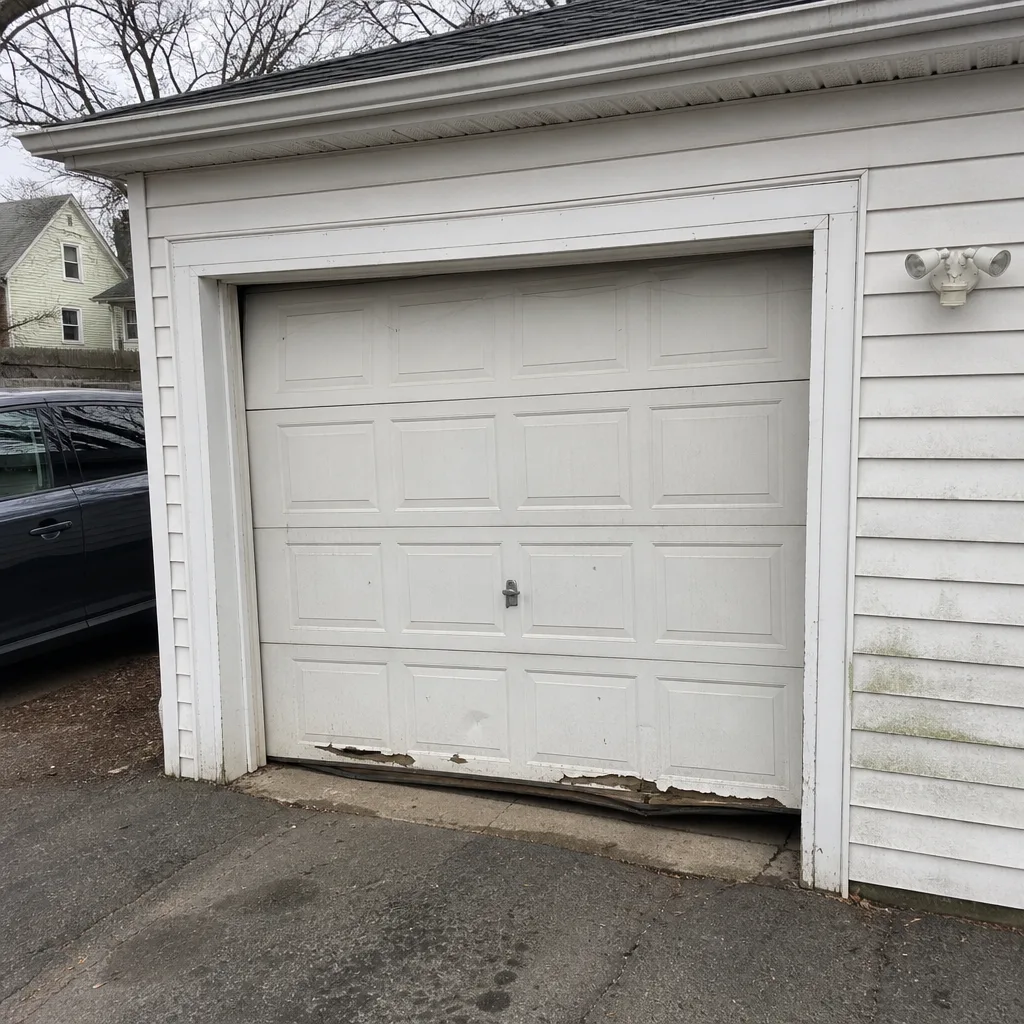 Before
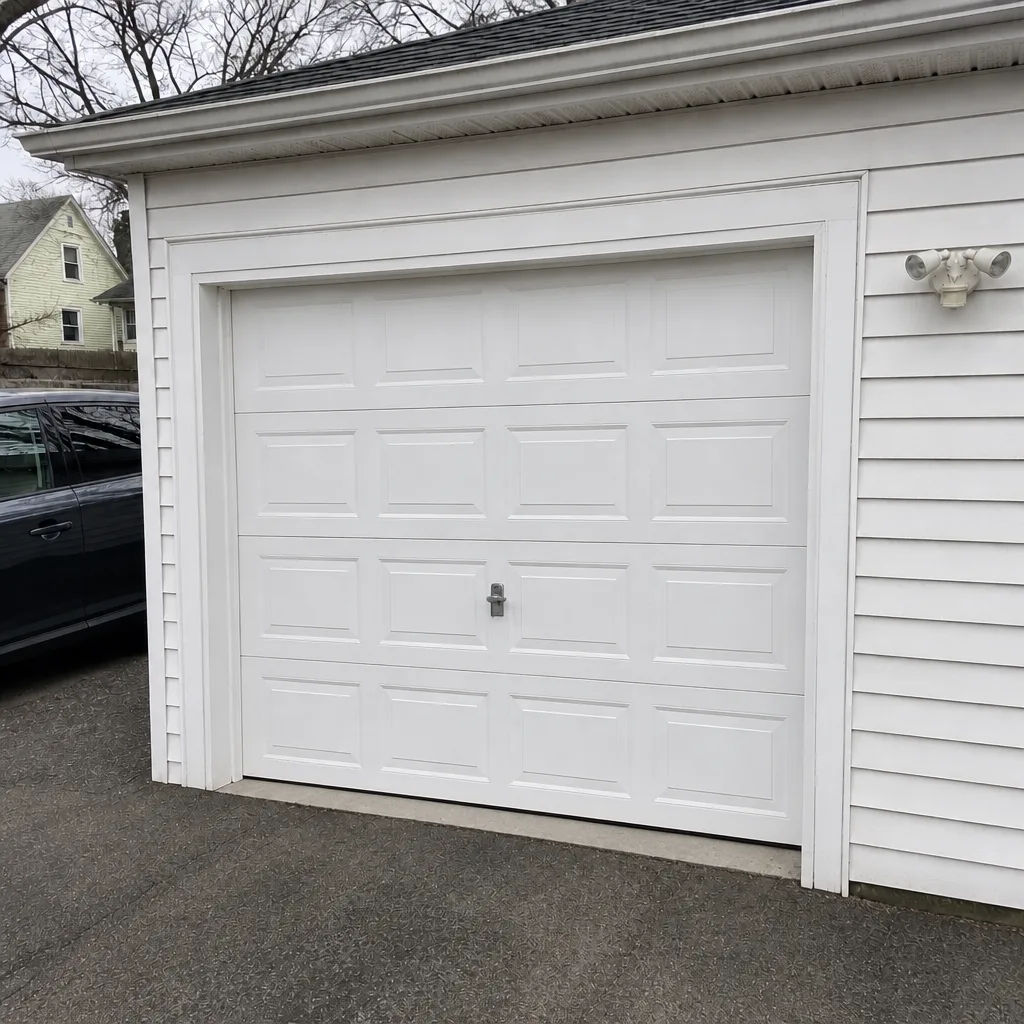 After
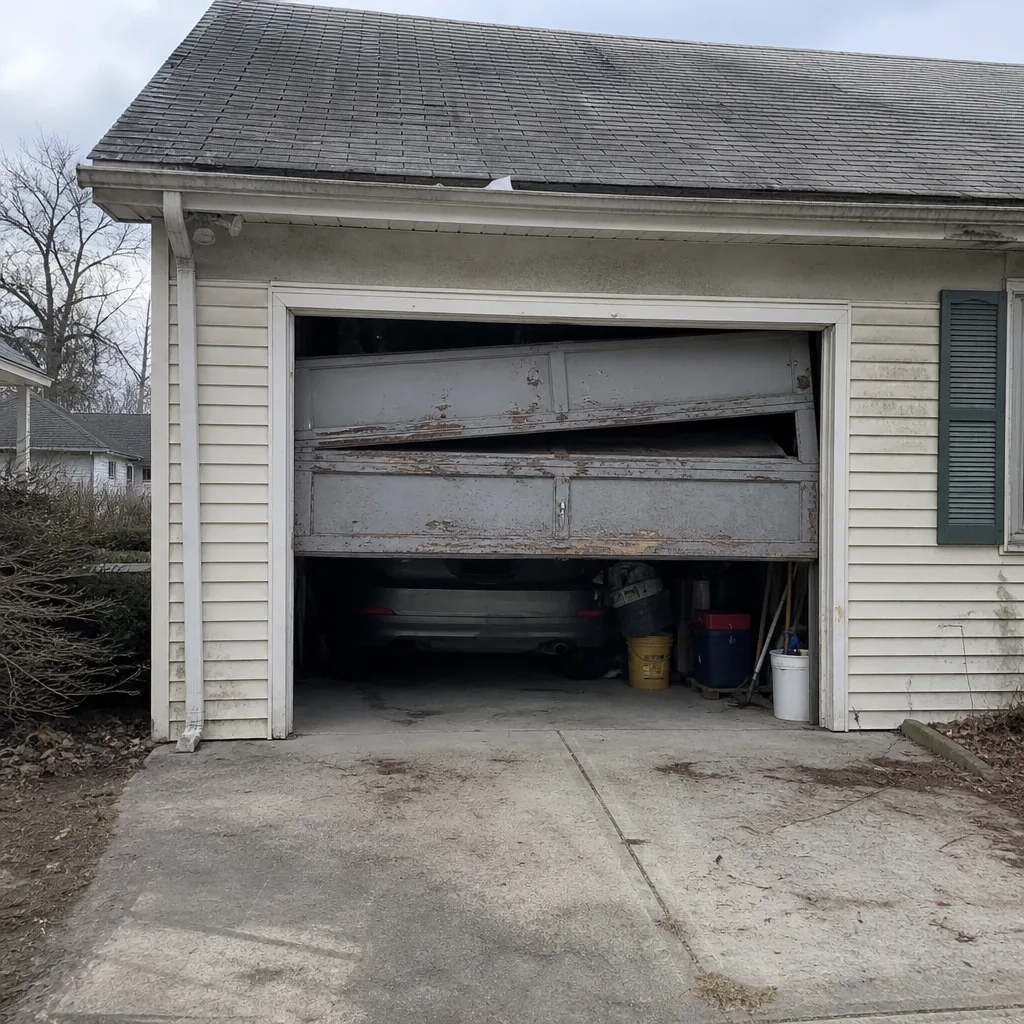 Before
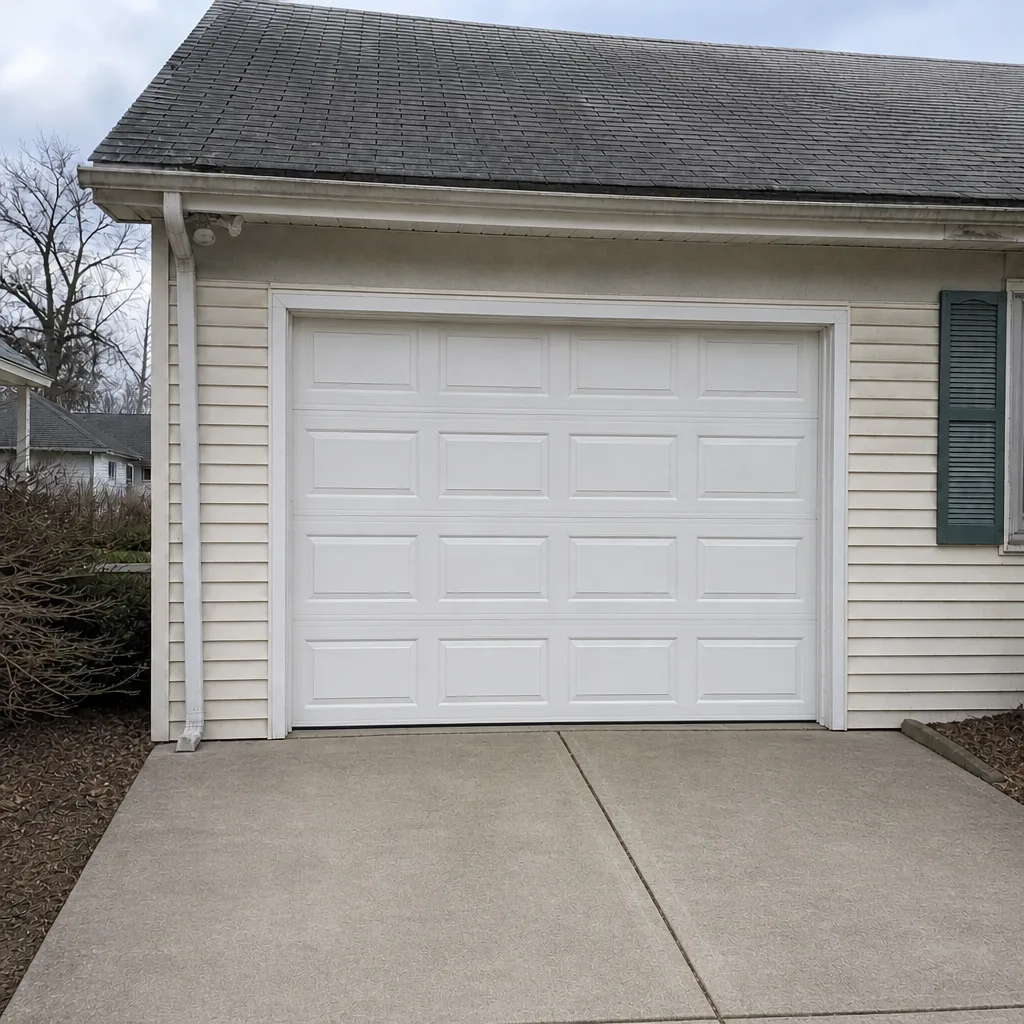 After
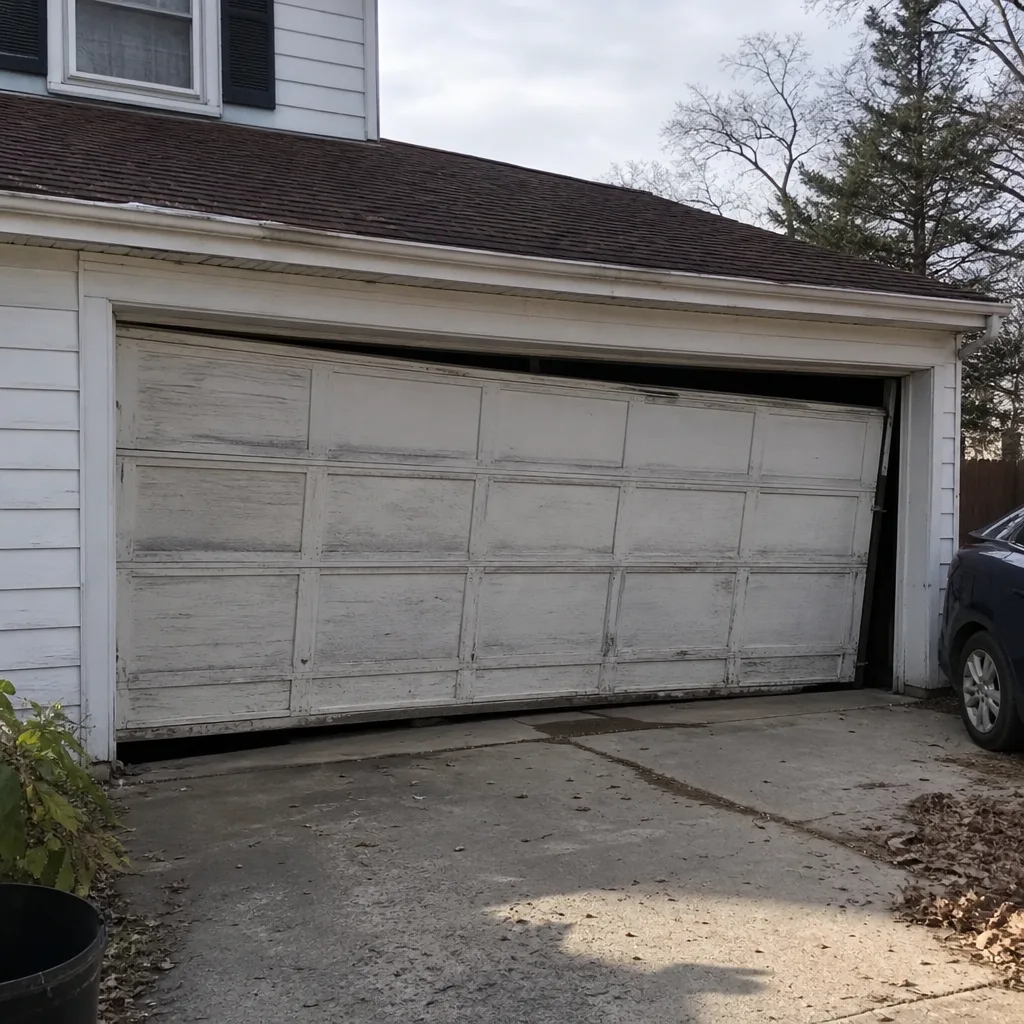 Before
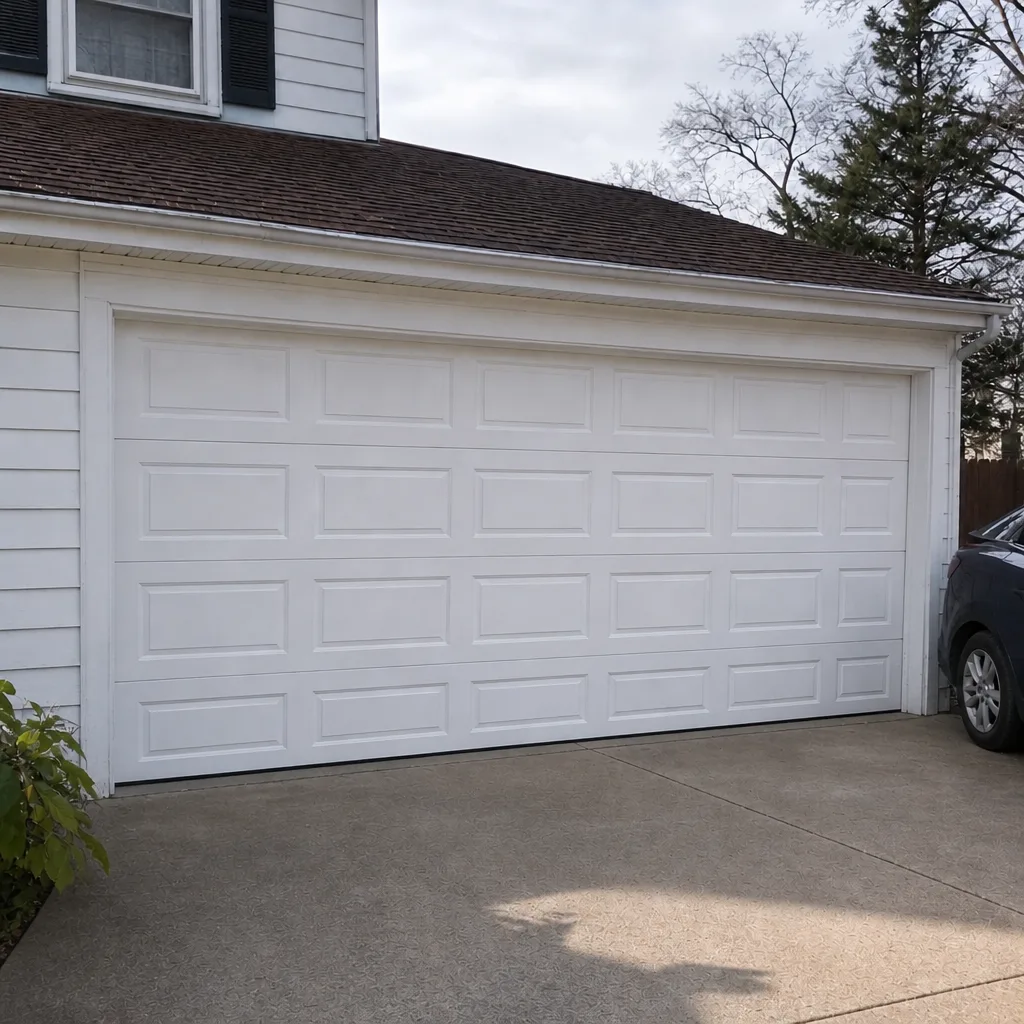 After