Last updated November 21, 2026
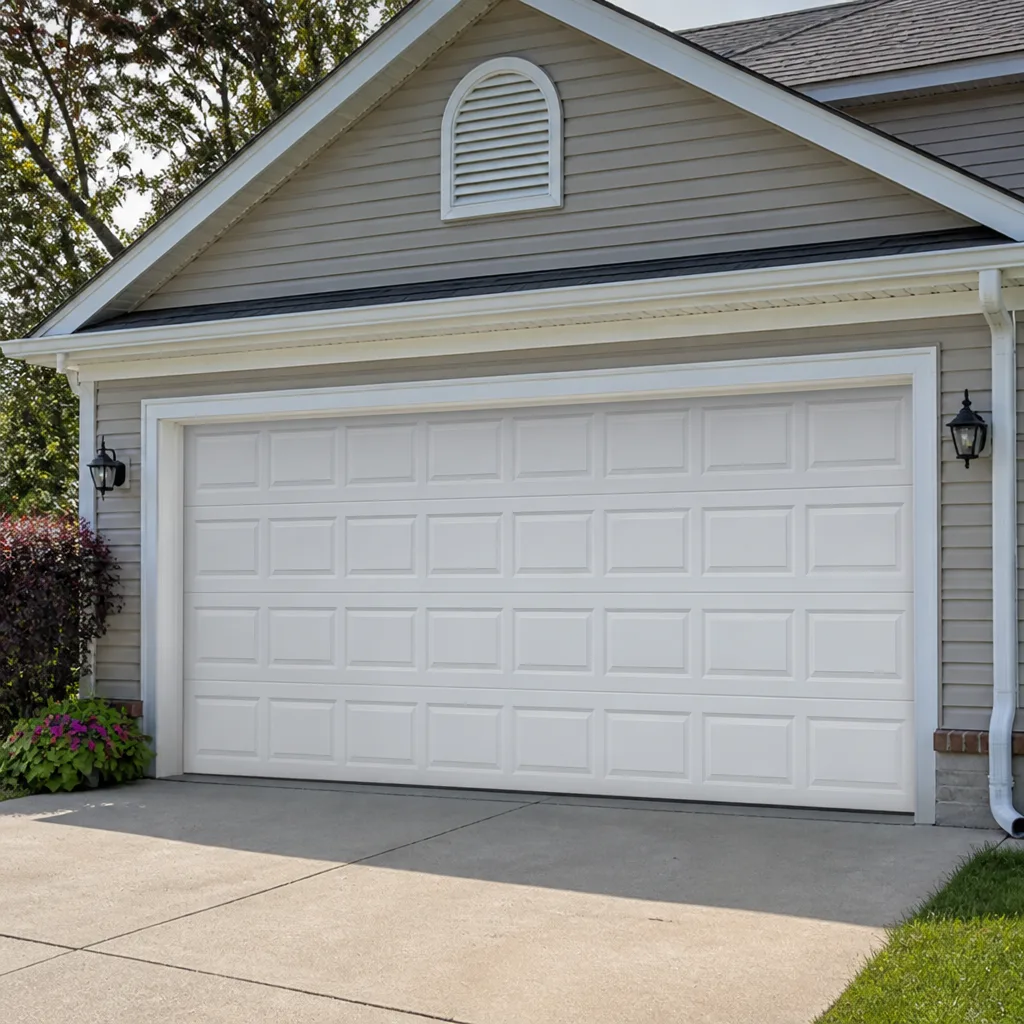 Raised-panel steel
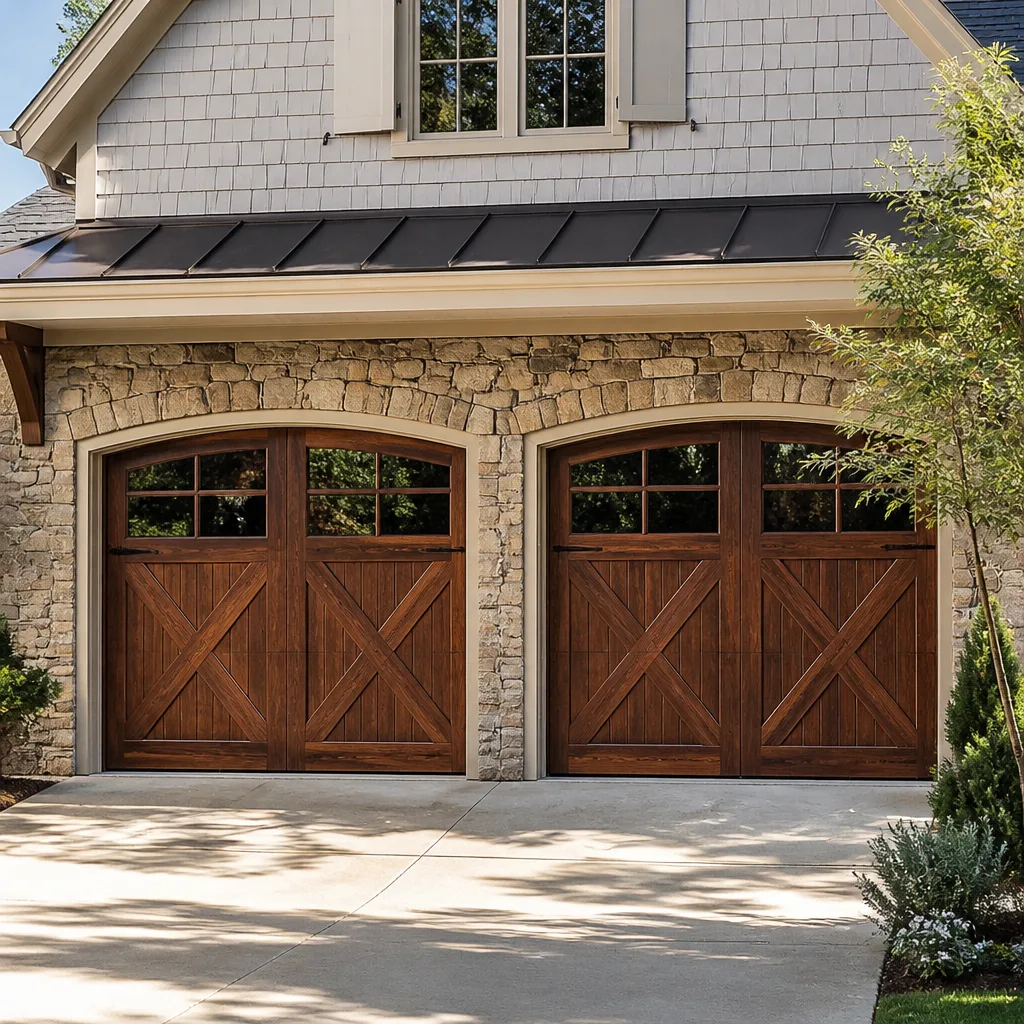 Carriage house
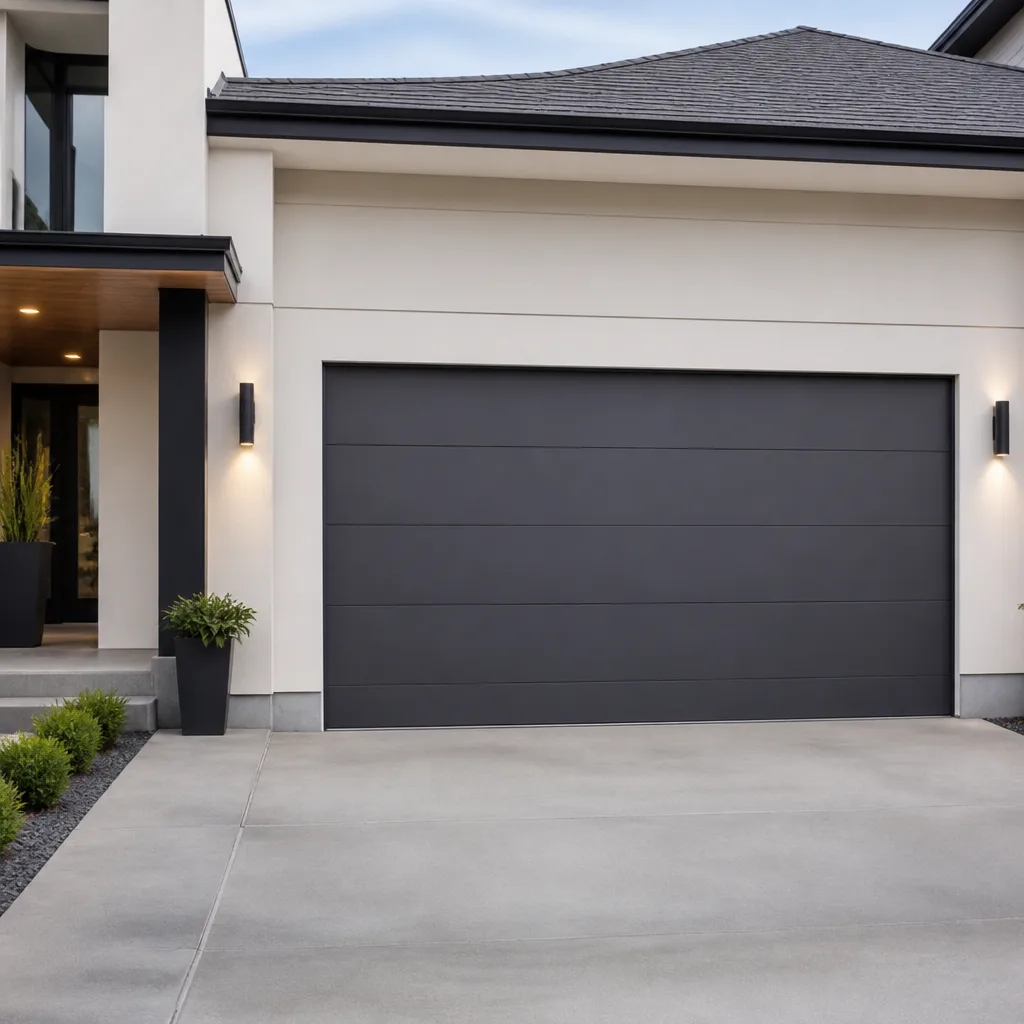 Modern flush
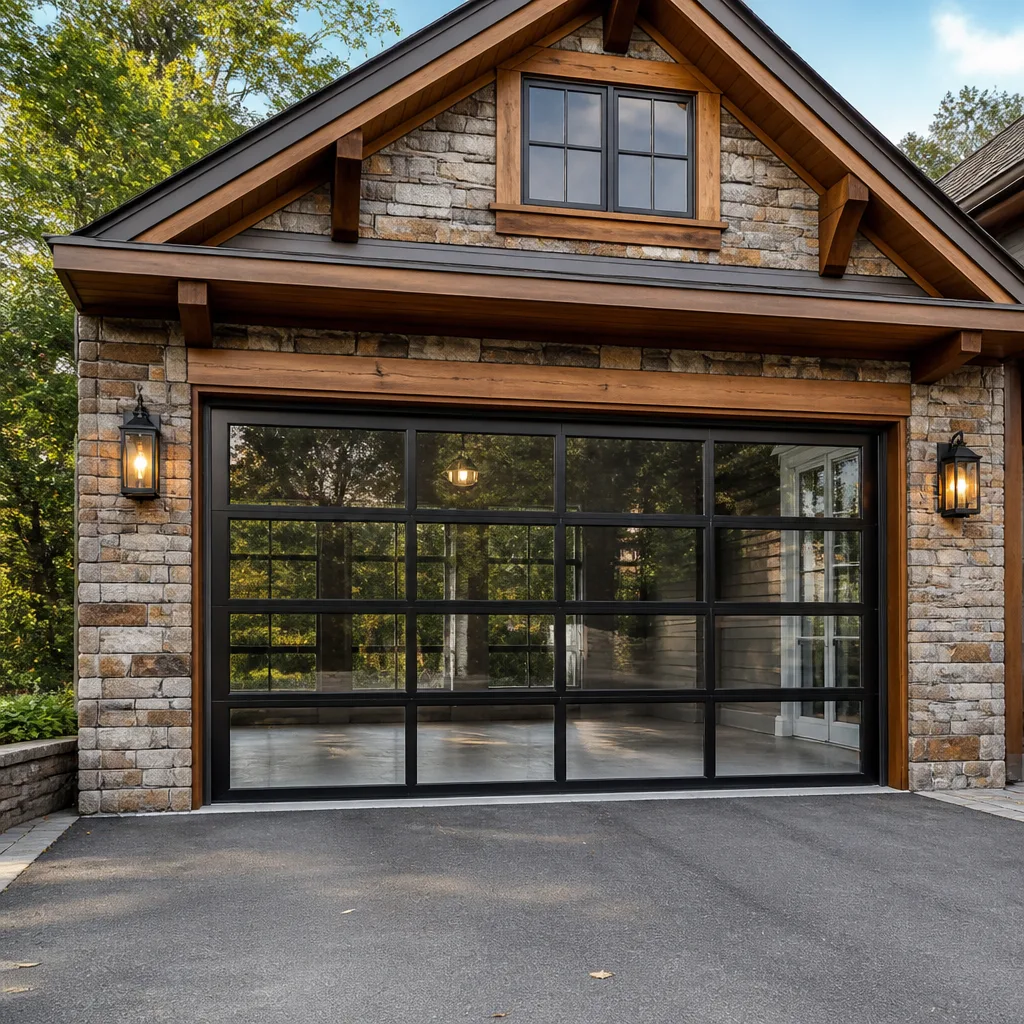 Full-view glass
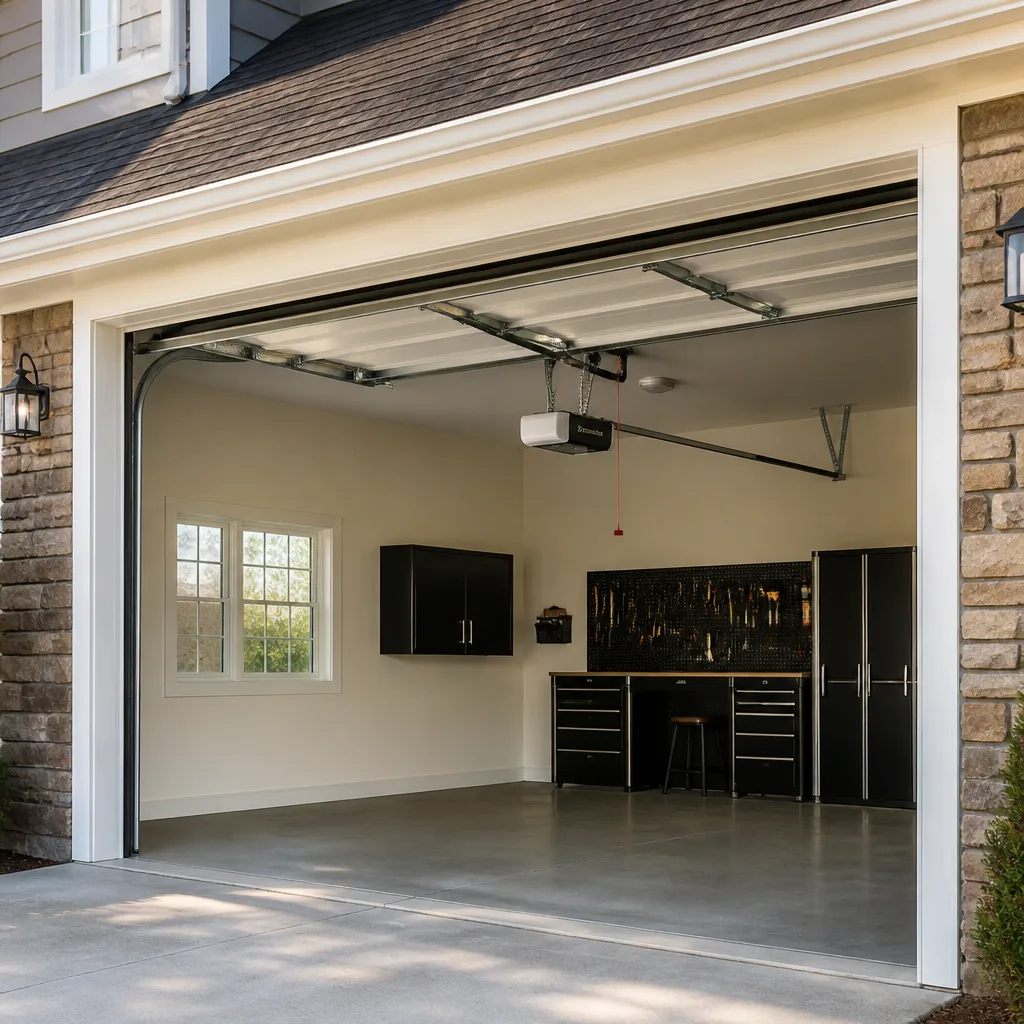 LiftMaster openers
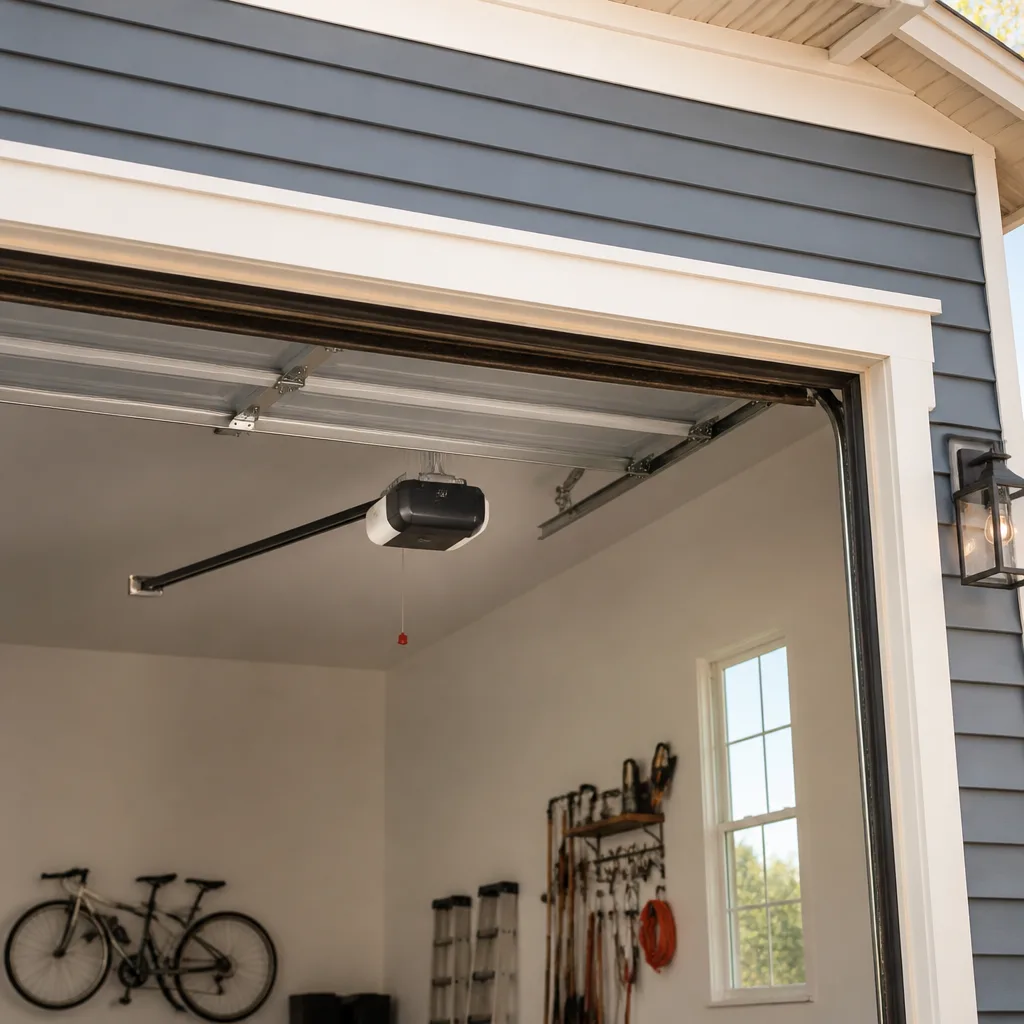 Chamberlain openers
Full 25-point door and opener safety check with every visit - springs, cables, rollers, tracks, and your LiftMaster or Chamberlain opener included
You get a price before we start. It does not change when the pro arrives.
Get your free estimateThe Complete Guide to Garage Doors in Springfield
Most national garage door guides quietly assume a mild climate, a level slab, and a house built after 1980. Springfield gives you none of those things. The freeze-thaw cycle here runs over 80 cycles in a typical winter, which is more than most New England cities see, and that one detail knocks out about half the door materials the big buying guides recommend. Add a housing stock weighted heavily toward pre-1970s construction and a Hampden County permit picture that doesn’t match the rest of Massachusetts, and you have a city where a door that would last 20 years somewhere else can start failing in year three. This guide covers what actually matters in Springfield: materials, seals, headroom, track gauge, permits, and when a repair turns into a replacement.
Quick Answer
For most Springfield homes, an insulated steel sectional door matched to the real headroom of your garage is the durable choice, because steel handles the local freeze-thaw and wind exposure better than the wood and lighter-gauge doors that dominate older stock. Weatherstripping and the bottom seal matter more here than the door finish, since ice and meltwater work on them all winter. Budget for a proper measure before you buy anything, because pre-1970s garages in Springfield often have rough openings and header clearance that national sizing charts don’t anticipate.
Styles & brands we work with
- Raised-panel steel
- Carriage house
- Modern flush
- Full-view glass
- LiftMaster openers
- Chamberlain openers
Table of Contents
- How Springfield’s Freeze-Thaw Cycle Changes Your Door Choice
- What Springfield’s Older Housing Stock Means for Fit and Headroom
- Which Door Types Perform Worst Here (and What to Choose Instead)
- Bottom Seals and Weatherstripping: The Parts That Actually Fail
- Wind Exposure, Track Gauge, and Neighborhood Differences
- Permit Triggers in Hampden County You Should Know
- Choosing and Maintaining an Opener for a Springfield Door
- Repair or Replace? A Straight Decision Framework
How Springfield’s Freeze-Thaw Cycle Changes Your Door Choice
Springfield’s freeze-thaw cycle averages over 80 cycles per winter. That figure is the single most useful thing you can know before buying a garage door in this city, because it dictates which materials survive and which ones fight a losing battle with water.
Here’s how the cycle does damage. Water gets into seams, joints, and the gap under the door during a thaw. Overnight it refreezes and expands. A material that absorbs moisture and can’t flex will split, warp, or delaminate over a few seasons. That’s why a door that performs fine in a milder climate can look tired here much sooner.
What this means in practice:
- Wood doors struggle. Solid wood and wood-composite doors absorb moisture at the joints and along the bottom rail, and repeated refreezing opens those joints. If a wood look is what you want, a steel door with a wood-grain finish gives you the appearance without the moisture problem.
- Thin or uninsulated steel is vulnerable at the bottom. A single-layer steel door with no backing can dent and its bottom edge can rust where meltwater pools. An insulated door holds up better and stays warmer.
- The bottom seal takes the worst of it. Ice forms under the door and tears at the seal all winter. A seal you can replace on its own, without touching the panels, is worth choosing deliberately.
- Hardware loosens. Expansion and contraction work on hinges, rollers, and track bolts, so annual tightening keeps things tracking straight.
We work on doors built for this climate every week in Springfield, and the pattern holds: the doors that last are the ones matched to the freeze-thaw reality, not the ones that looked best in a catalog photo.
What Springfield’s Older Housing Stock Means for Fit and Headroom
A large share of Springfield homes were built before 1970, and the garages that came with them were not framed to today’s standard dimensions. That single fact is why so many door purchases in Springfield go sideways: a door ordered to a national sizing chart arrives and doesn’t fit the opening it was meant for.
Older construction means three things you’ll want to verify before ordering:
- Rough opening size. The framed opening behind the trim can differ from what a tape measure across the trim suggests. Measure the actual rough opening, not the finished edge.
- Header clearance. The space above the opening is often tighter than modern doors assume, particularly on attached garages with low ceilings. A door needs enough headroom above the opening to travel up and back.
- Side room. The width between the opening and the side wall determines track and hardware layout. Older garages can be tight here.
Attached garages with low ceilings and limited headroom are the most common trouble spot in Springfield. On those, a standard sectional door can be the wrong fit and a low-headroom configuration is the answer. It’s not a small upgrade; it’s the difference between a door that operates cleanly and one that fights its own track every cycle.
This is also why a free measure matters before you commit to anything. We’ve seen enough Springfield garages to know that the number on the box and the number on the wall are two different things.
Which Door Types Perform Worst Here (and What to Choose Instead)
If your Springfield garage is attached and has a low ceiling with limited headroom, the worst performers are the doors that assume generous clearance. That includes deep-section carriage-style doors and heavy wood doors that need room to swing and travel. They look right in a showroom and cause problems in a real Springfield garage.
What tends to work better here:
- Insulated steel sectional doors in a low-headroom configuration. Steel resists the moisture that wood absorbs, insulation keeps the attached garage warmer, and the sectional design suits tight clearances.
- Steel with a wood-grain finish if you want a traditional look without the wood-door maintenance.
- Brands built for the long haul. We service Wayne Dalton, Clopay, Amarr, Raynor, and LiftMaster systems, among other leading brands, so you’re not locked into one manufacturer’s idea of a door.
The doors that fail early in Springfield usually fail on a mismatch, not on quality. A good door chosen for the wrong opening will still struggle. A modest door matched to the headroom, slab, and climate will outlast it.
One more local wrinkle: the garage slab itself. Older Springfield slabs can be uneven, and an uneven floor is hard on the bottom seal because the door can’t sit flat against it. If your slab dips at the center, the seal has to do more work all winter, which is one more reason to pick a seal you can replace cheaply. A proper measure catches that before you buy.
Bottom Seals and Weatherstripping: The Parts That Actually Fail
Ask a Springfield homeowner what went wrong with their garage door last winter and it’s usually the seal, not the panel. The bottom seal and the weatherstripping around the door take the full force of the freeze-thaw cycle, and they’re the cheapest parts to replace.
Here’s where the wear shows up:
- Bottom seal. Ice forms under the door and tears the seal as the door rises. A hardened, cracked, or torn seal lets in cold air, meltwater, and pests. Replace it on its own before it damages the door’s bottom edge.
- Side and top weatherstripping. These strips seal the gaps at the sides and top. Over winters of freezing and thawing, they compress, crack, or pull loose.
- The threshold. The raised lip at the floor level takes direct impact from ice and can crack or lift over time.
What to check each fall, before the first hard freeze:
- Run your hand along the bottom seal and look for cracks, tears, or a seal that no longer touches the floor.
- Check the side weatherstripping for gaps and hardening.
- Look for daylight under the door with it closed; if you can see it, air and water can get in.
- Test that the door closes flush against the seal without forcing it.
Fresh seals are one of the highest-value jobs on a Springfield garage. They cost little, they keep the door’s structural parts dry, and they make a real difference in the depth of winter.
Wind Exposure, Track Gauge, and Neighborhood Differences
Springfield’s wind exposure isn’t uniform. Certain neighborhoods, the South End and Forest Park among them, catch more wind than others, and that changes the track gauge you should choose. A door designed for a sheltered spot can rattle, twist, and wear out early in a wind-exposed one.
Track gauge is the thickness and strength of the vertical and horizontal track. Lighter-gauge track flexes under wind load, and a door that flexes every cycle can jump its rollers, scrape its panels, and wear out its hardware. Here’s what we look at when wind exposure is a factor:
- Gauge of the track and hardware. Heavier-gauge track and stronger hinges and rollers hold their shape in wind-exposed openings.
- Reinforcement. Extra struts or reinforcement on wider or taller doors help them resist wind without flexing.
- Roller condition. Worn rollers let the door move sideways and accelerate wear.
If your Springfield home sits in an exposed spot, choosing heavier track up front is cheaper than replacing a lighter system that keeps getting knocked out of alignment. We work on LiftMaster and other leading opener and door systems across these neighborhoods, so we can match the track to the actual exposure of your opening rather than a generic spec.
For any door that’s already misbehaving in wind, the first step usually isn’t a new door. It’s a proper look at the track and hardware.
Permit Triggers in Hampden County You Should Know
Springfield sits in Hampden County, and the permit rules here don’t line up neatly with the statewide picture. The simplest rule to remember: a like-for-like repair or a straight replacement of an existing door in the same opening usually doesn’t need a permit, but anything that changes the opening, structure, or wiring can.
When a permit is usually in play:
- Changing the rough opening or enlarging the door. Modifying the framed opening or header is structural work and generally needs a building permit.
- New electrical work. Adding a circuit or moving the opener’s power source can trigger an electrical permit.
- New construction or a major garage alteration. Anything beyond like-for-like replacement should be checked with the city.
We don’t invent rules or promise what the city will require. The right move is to ask Springfield’s building department directly before work begins. It takes a phone call and saves you a headache later.
Once the permit question is settled, a proper measure and a written price come next. The quote you agree to is the price, and that’s true whether the job is a repair, an opener, or a full new door. For the repair side of things, see our garage door repair page, which covers the diagnostic side in more depth.
Choosing and Maintaining an Opener for a Springfield Door
An opener is only as good as the door it lifts and the condition of its springs. Springfield’s freeze-thaw cycle means the door is stiffer in the morning cold, which puts more load on the opener over a winter, so a properly sized and maintained opener matters more here than it does in a milder city.
What to think about when you’re choosing or maintaining one:
- Pair the opener to the door. A single-layer steel door and an insulated double door load the opener differently. The opener should be rated for the weight and size of the door it lifts.
- Spend up if you want smart access. LiftMaster, Chamberlain, Genie, and Craftsman all offer app-connected openers if you want to open the garage from your phone or check whether it’s closed.
- Keep the safety reverse working. Test it regularly; a door that won’t reverse on contact with an object is a hazard.
- Watch for a stiff morning door. If the opener strains in cold weather, the problem is often springs or alignment, not the opener itself.
We work on the opener systems homeowners actually have in Springfield, and we can tell you whether a problem is in the opener, the door, or the springs. When the opener itself needs work, our garage door opener repair page covers diagnostics and common failures. If the springs are the culprit, that’s a different job entirely, and a dangerous one.
Repair or Replace? A Straight Decision Framework
Most Springfield garage door decisions come down to one question: fix this door or replace it? There’s no single right answer, but the framework below settles it fast.
Lean toward repair when:
- The door’s panels and structure are sound, and the problem is a broken spring, a worn seal, or an opener fault.
- The track and hardware are straight and the door hasn’t been repeatedly knocked out of alignment.
- The door fits the opening well and the headroom isn’t an issue.
- The finish and insulation are still decent, and you’re not chasing cold-draft problems.
Lean toward replacement when:
- Panels are warped, delaminated, or badly rusted from freeze-thaw damage.
- The door was the wrong fit for the opening to begin with, especially on a low-headroom attached garage.
- The hardware has been beaten up by wind exposure and repeated realignment.
- You want to move to an insulated steel door for a warmer attached garage.
Spring repair is its own case. Springs are one of the highest-risk parts of any garage door, and a broken spring should always be handled by a trained technician. It’s a job we do as a standalone specialty, because getting it wrong is genuinely dangerous. You can read about that on our garage door spring repair page.
Common Mistakes to Avoid
- Ordering to a national sizing chart. Springfield’s pre-1970s garages often don’t match the standard dimensions. Measure the actual rough opening, header clearance, and side room before buying.
- Ignoring headroom on an attached garage. A low ceiling and tight headroom can make a standard sectional door the wrong choice. Check headroom first, or you’ll be fighting the track every cycle.
- Choosing wood for a freeze-thaw climate. Wood absorbs moisture and opens at the joints with repeated freezing and thawing. A steel door with a wood-grain finish gives you the look without the problem.
- Skipping the annual seal check. The bottom seal and weatherstripping take the worst of the winter. Check them each fall, before the first hard freeze, and replace them when they’re cracked.
- Using lighter track in a wind-exposed spot. In the South End and Forest Park, wind exposure calls for heavier-gauge track and hardware. Lighter track flexes and wears early.
- Assuming no permit is needed. A like-for-like replacement usually is fine, but changing the opening or adding wiring can trigger a permit. Ask Springfield’s building department before work begins.
- Diagnosing an opener problem as a door problem. A strained opener in the cold is often a sign of spring or alignment trouble. Get the cause right before paying for the wrong fix.
See the difference
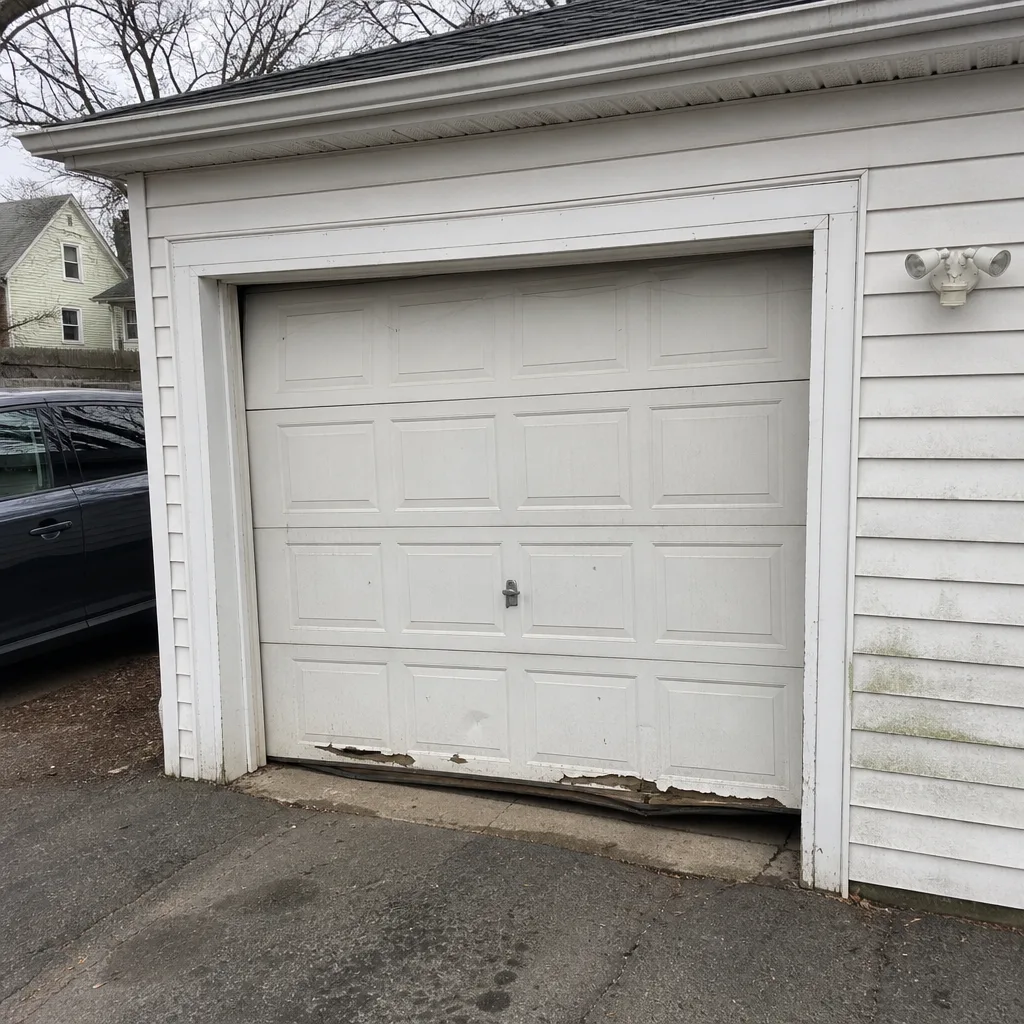 Before
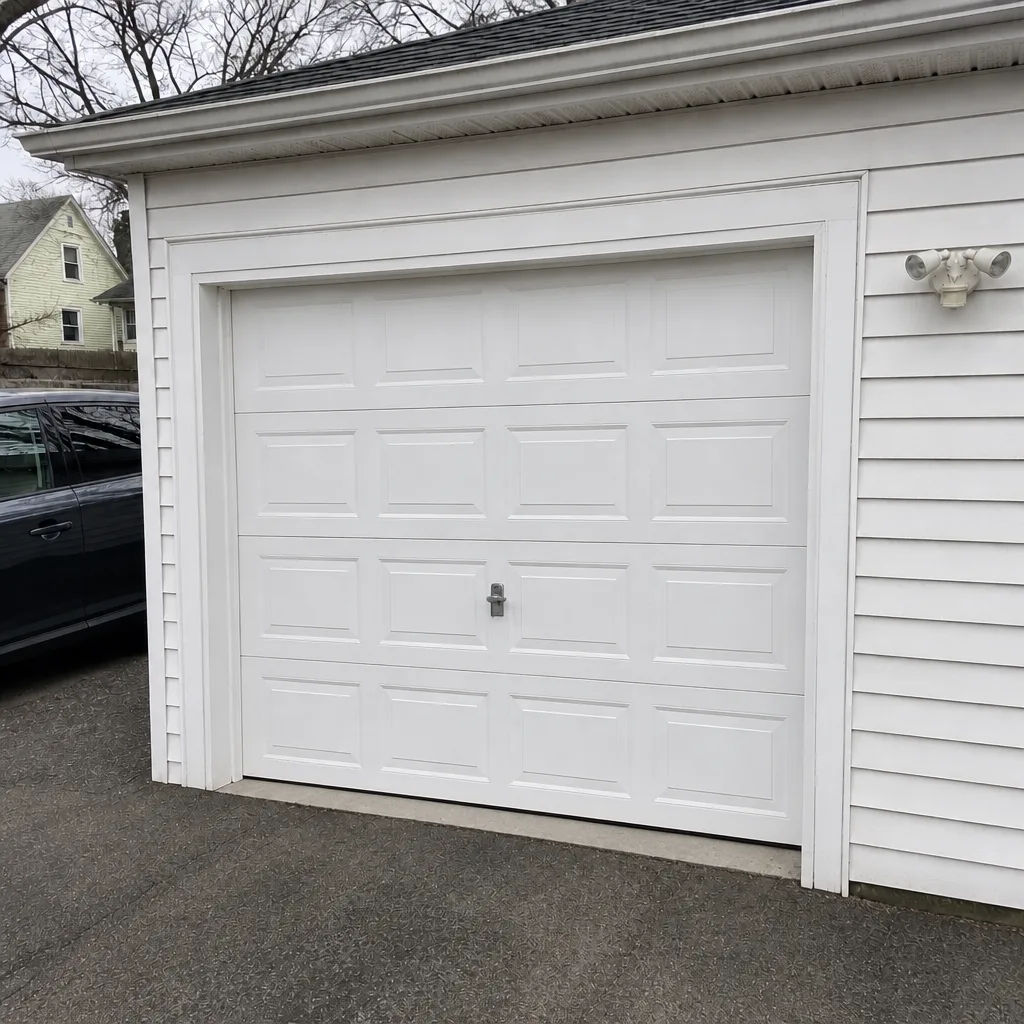 After
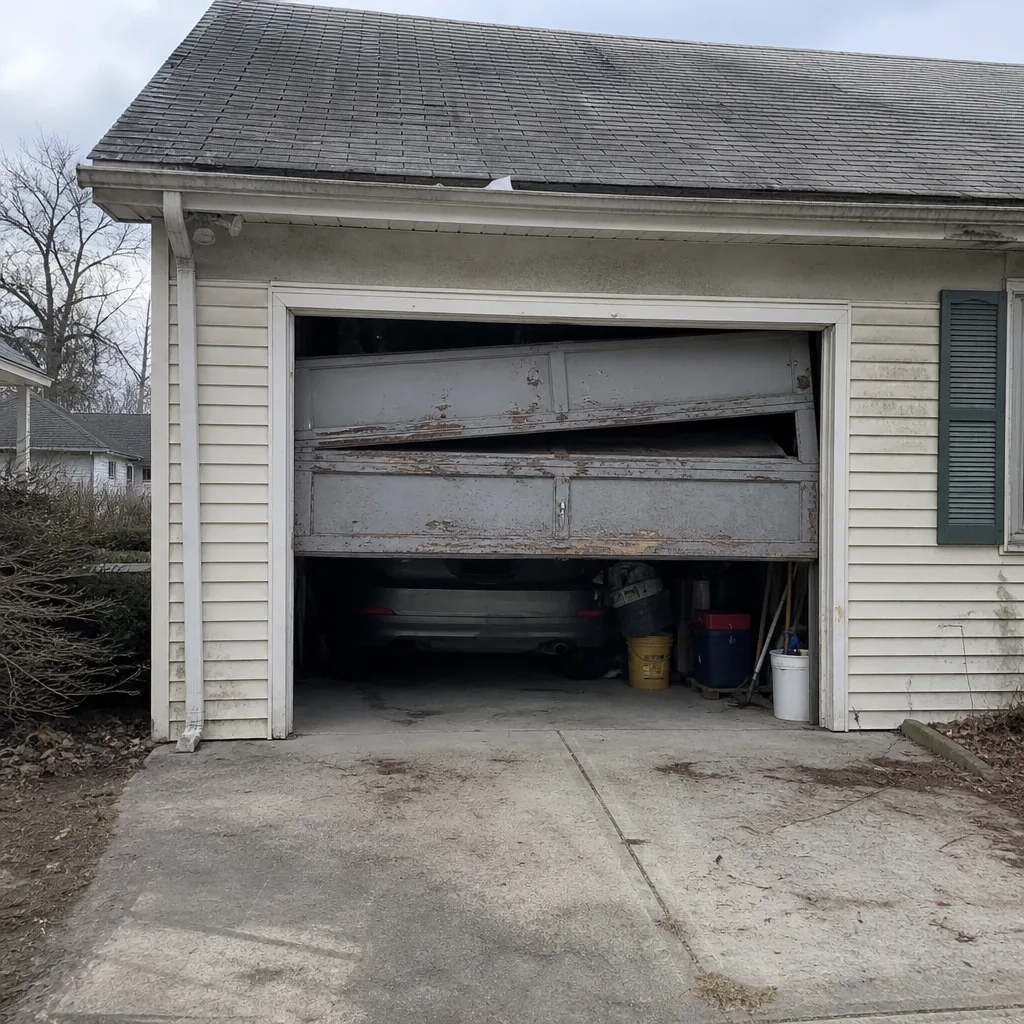 Before
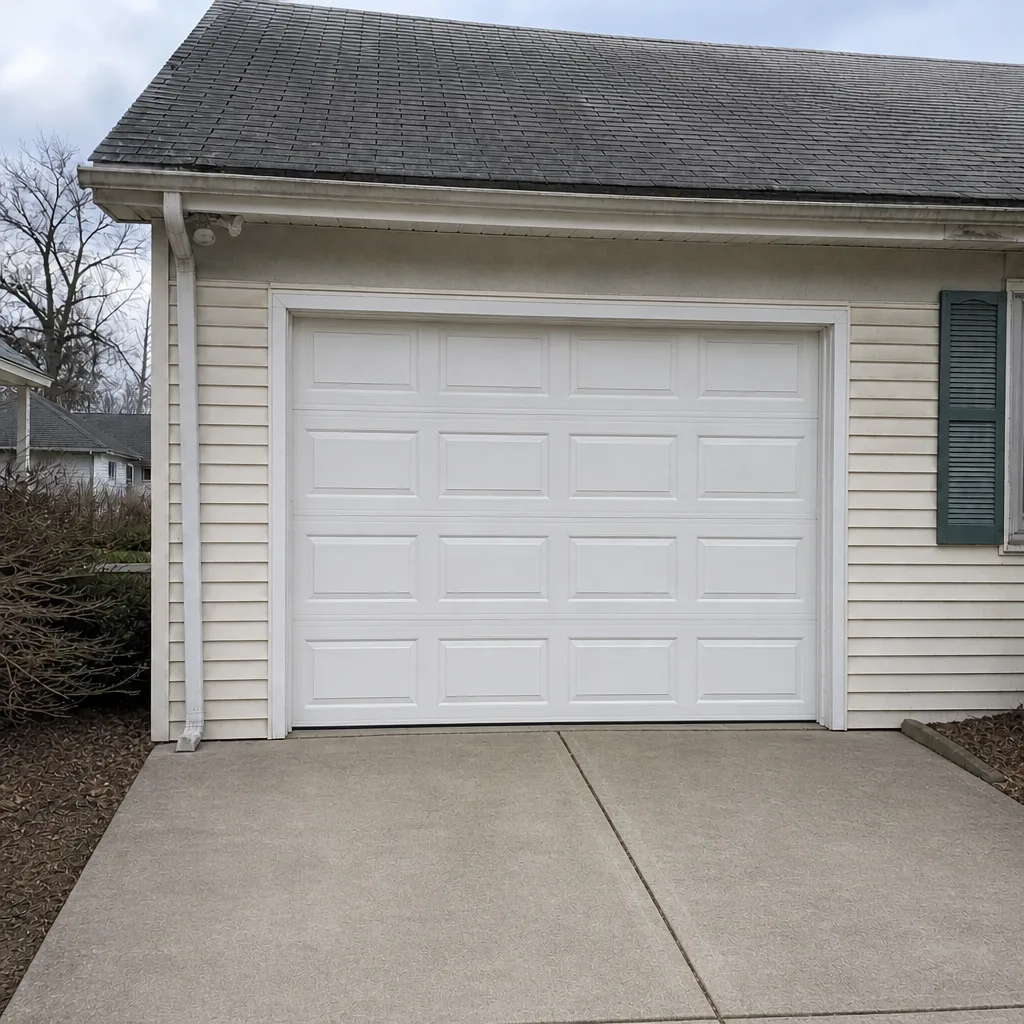 After
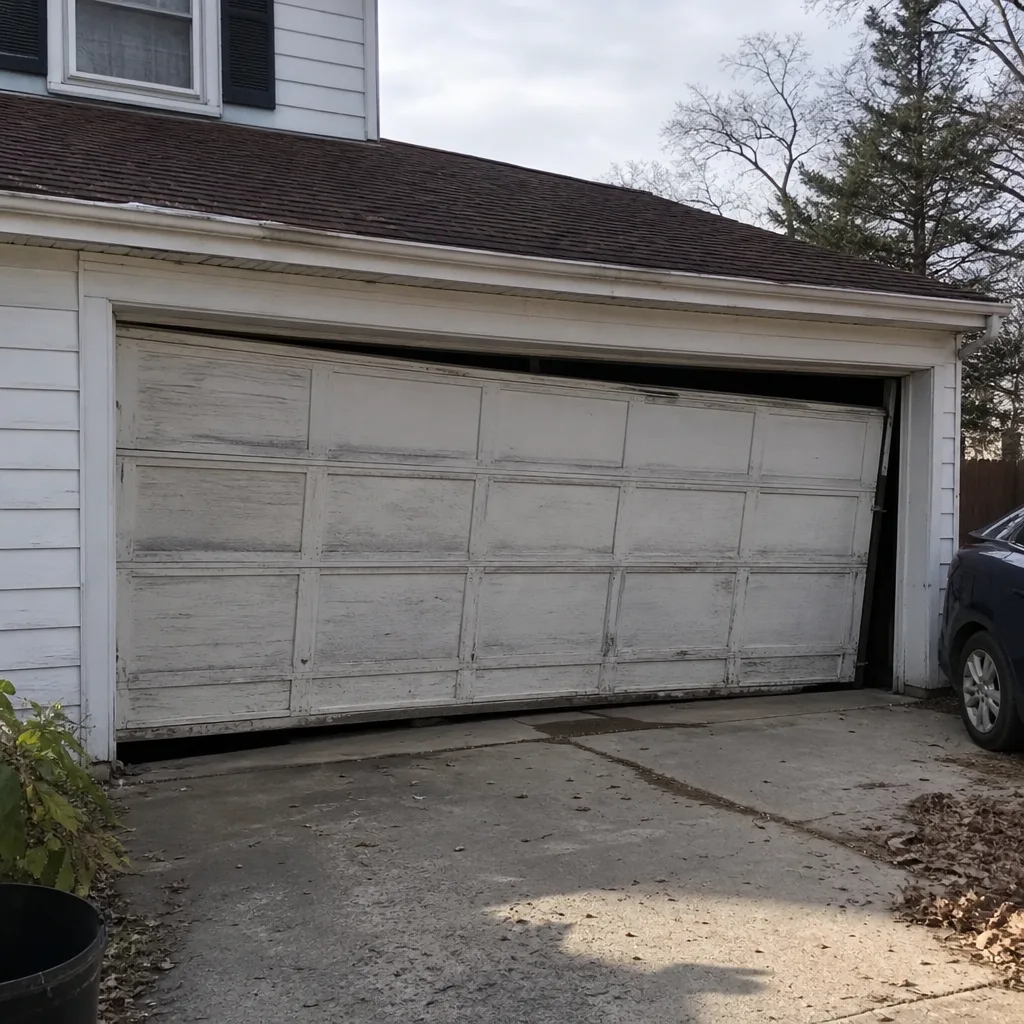 Before
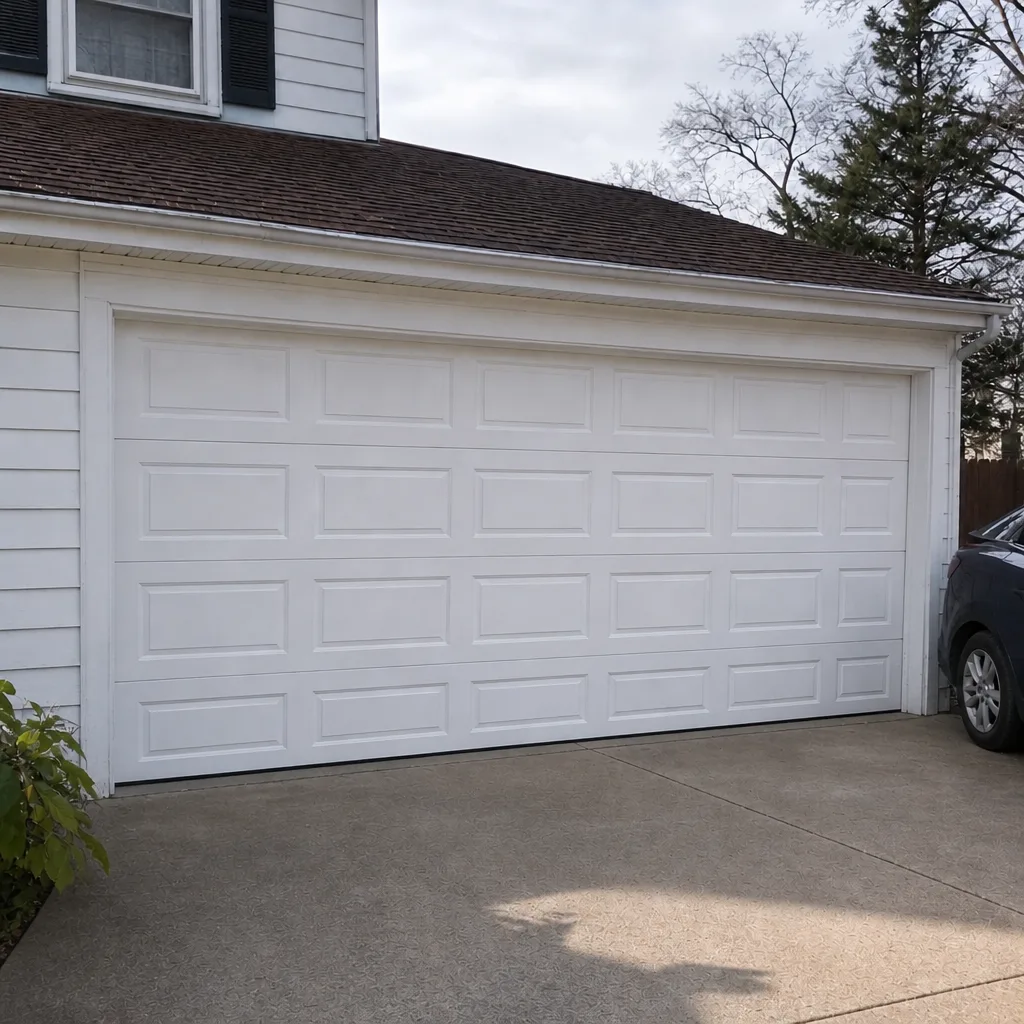 After
When to Call a Professional
Some garage door problems are genuinely do-it-yourself; a loose bolt or a worn roller is not the place to panic. Others are dangerous or easy to get wrong. Call a professional when a spring is broken or making a loud bang, when the door won’t close or reverses for no reason, when a heavy door is clearly fighting its track, or when you’re sizing and installing a new door and the opening is tight. Spring work in particular is high-risk and should always go to a trained technician. Springfield Garage Door Repair Pros works on doors and openers from the leading brands, and we handle the full job, from diagnosis to opener service to a new installation. We offer free estimates in Springfield; call (855) 952-3962. For a broader overview of who we are and what we do, see Springfield Garage Door Repair Pros.
Frequently Asked Questions
Insulated steel is the safe choice for Springfield, because steel doesn’t absorb moisture the way wood does and the insulation keeps an attached garage warmer through the freeze-thaw cycle. A steel door with a wood-grain finish gives you the traditional look without the wood-door upkeep. Whichever you choose, pair it with a replaceable bottom seal.
Cost depends on size, insulation, headroom requirements, and whether the opener needs replacing. On an older Springfield garage with tight headroom, a low-headroom configuration can affect the price. Call (855) 952-3962 for a free measure and a written price; the quote you agree to is the price, and nothing starts before you’ve approved it.
Usually no for a like-for-like replacement of an existing door in the same opening, but changing the opening, enlarging the door, or adding electrical work can require a permit in Hampden County. Ask Springfield’s building department directly before work begins, since the rules don’t match the statewide picture and no one should guess for you.
Springfield’s freeze-thaw cycle averages over 80 cycles a winter, and ice forming under the door tears at the bottom seal with every open and close. That’s why the seal fails before the door does. A replaceable seal you can swap on its own keeps the door’s bottom edge dry and saves the more expensive parts.
In cold weather, a door that won’t close is usually fighting a stiff spring, a misaligned track, or a seal the door can’t sit on. Sometimes the opener’s safety reverse trips and sends the door back up. That’s a job for a technician, not for guesswork; call (855) 952-3962 and we’ll diagnose it and quote before any work starts.
We work on the full range of leading garage door and opener systems, including Wayne Dalton, Raynor, Clopay, Amarr, LiftMaster, Chamberlain, Genie, and Craftsman. If you’re not sure about your system, call and ask; estimates are free.
The Bottom Line
Springfield is not a generic garage door city. Its freeze-thaw cycle rules out the materials national guides push, its older housing stock makes a proper measure essential, and its Hampden County permit picture and neighborhood wind exposure change what’s right for your specific opening. Choose insulated steel matched to your real headroom, keep the seals fresh, and know when to call a technician. Get those decisions right and your door should last decades, not come apart in year three. Call (855) 952-3962 for a free estimate in Springfield.
Written by the team at Springfield Garage Door Repair Pros.